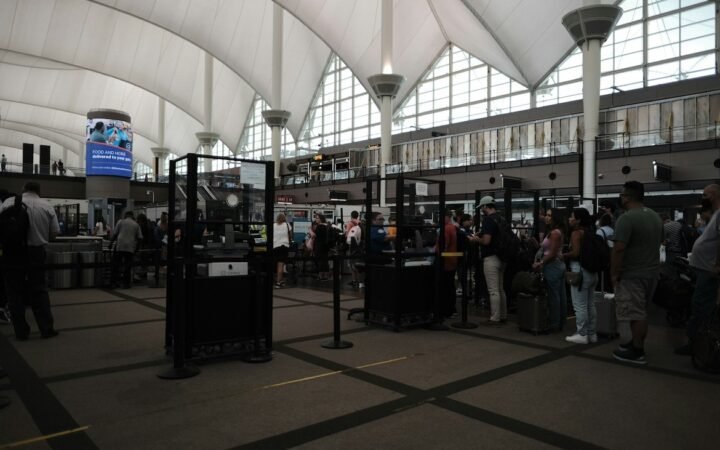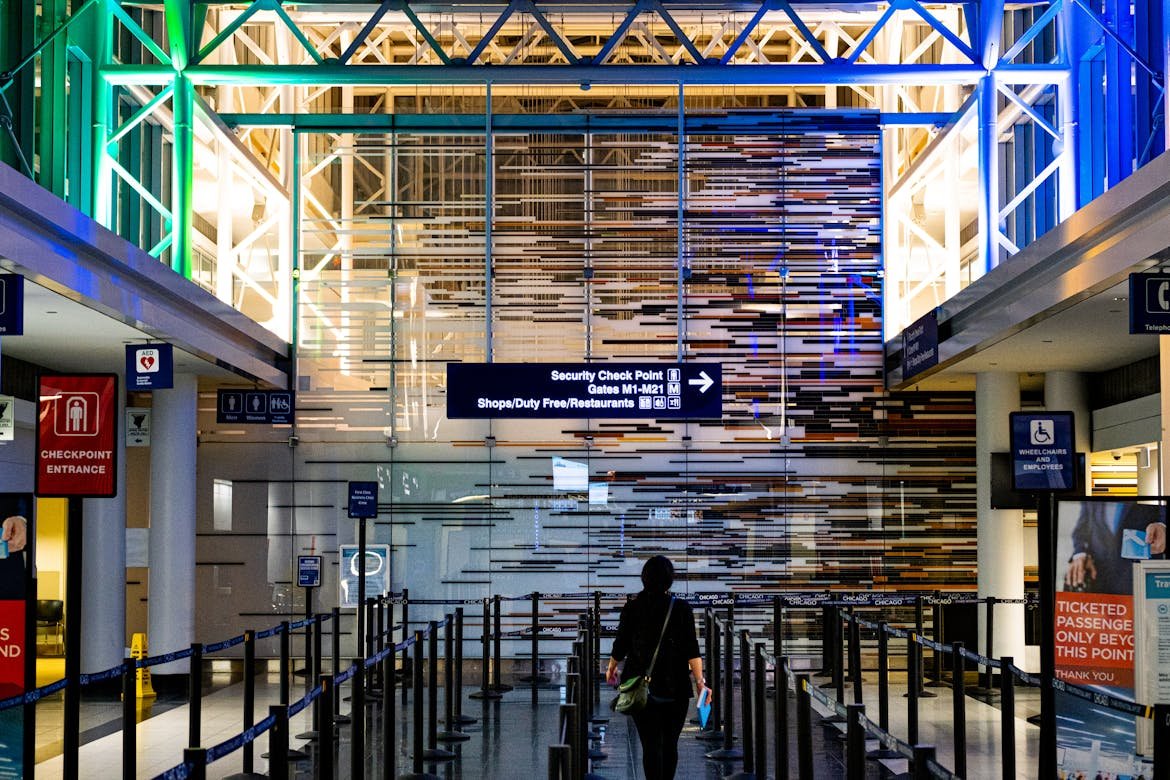
Security lines at several major U.S. airports improved Monday as Transportation Security Administration officers began receiving back pay after more than six weeks without regular wages. The immediate result was visible at some of the airports that had become symbols of the disruption, including Houston and Atlanta, where wait times fell sharply from the multihour delays seen last week. For travelers, the change suggested that the worst phase of the checkpoint chaos may be easing.
The improvement appears tied to a drop in employee callouts as money began reaching workers’ accounts. At Houston Bush Intercontinental Airport, where long waits had drawn national attention, line estimates fell to minutes by the afternoon. Atlanta also reported much shorter waits, while LaGuardia saw relatively manageable conditions, though JFK remained more uneven. The broad pattern was clear: once at least some back pay began to arrive, staffing pressure at major airports started to loosen.
That matters because the earlier delays were never only a passenger volume issue. They were the direct result of a funding standoff that forced TSA officers to keep working without pay during a busy travel period. As we reported earlier, the first signs of operational improvement were already emerging before the wider fallout from the shutdown had worked its way through the system. The recovery in wait times shows how quickly conditions can improve when staffing levels begin to normalize, but it also highlights how fragile that stability has become.
Faster Checkpoints Do Not Mean the Crisis Is Over
The operational relief has been accompanied by continued complaints from workers and their union about missing money and payroll errors. Some officers reportedly received incorrect amounts, while others were still waiting for part of what they were owed, including overtime or earlier partial paychecks. That means the headline improvement at checkpoints does not yet match the financial reality facing many employees.
The shutdown itself is also unresolved. The Department of Homeland Security remains unfunded, and Congress has left Washington for a two-week recess without a broader agreement. President Trump ordered TSA workers to be paid, but the long-term source and durability of that funding remain unclear. For employees who have spent weeks falling behind on rent, bills, car payments, and credit card balances, one round of back pay may help but does not restore normal financial footing.
A More Lasting Problem for the Workforce
The deeper concern is that the damage may outlast the lines. More than 500 TSA workers have reportedly quit since the shutdown began, and union officials say the broader workforce has taken a severe hit from debt, late fees, evictions, and repossessions. Even if checkpoints keep improving, the agency may still face weaker morale, retention challenges, and reduced trust that future pay interruptions will be avoided.
That has consequences for the wider travel system. TSA staffing is not something airports can rebuild overnight, and financial instability can linger even after the immediate pressure fades. The quicker lines on Monday were a sign of short-term relief, not a clean reset.
For passengers, the message is more encouraging than it was a week ago. Many airports appear to be moving back toward normal operations. But for the TSA workforce, and for a travel system that has once again been exposed to political deadlock, the disruption has left a deeper mark than security wait times alone can show.