
Travel in 2026 is less about ticking boxes and more about making trips fit real life. According to WTF: What the Future Report 2026 by KAYAK, travelers are still prioritizing travel, but they are adjusting how they plan, spend, and choose destinations. The result is a year shaped by flexibility, authenticity, and a growing desire for balance.
AI as a Travel Companion
AI has become a central part of how travelers plan trips in 2026. Rather than relying solely on friends, blogs, or social media, many travelers now use AI to compare prices, understand travel rules, and assess destinations quickly. Trust in AI recommendations is growing because they are perceived as more current and data-driven. For many, AI is no longer a novelty but a practical planning partner.
Not-Yet-Viral Destinations
Crowded, overexposed destinations are losing their appeal. Travelers increasingly want places that feel undiscovered, quieter, and less shaped by social media trends. Visiting somewhere unfamiliar is now seen as a positive signal, not a risk. This shift benefits smaller cities, emerging regions, and destinations that offer authenticity over instant recognition.
Nanocations
Short trips are becoming a dominant travel format. One- to three-night getaways allow travelers to reset without taking long vacations or extensive time off work. These nanocations require less planning and fit more easily into busy schedules. Travelers value the freedom to travel more often, even if each trip is shorter.
Buy Now, Pay Later Travel
Payment flexibility is playing a bigger role in travel decisions. Installment plans and credit-based payment options are helping travelers manage budgets without cutting back entirely. For younger travelers especially, how a trip can be paid for influences how many trips they take each year. Travel is still a priority, but spending is becoming more strategic.
Gasp-Worthy Experiences
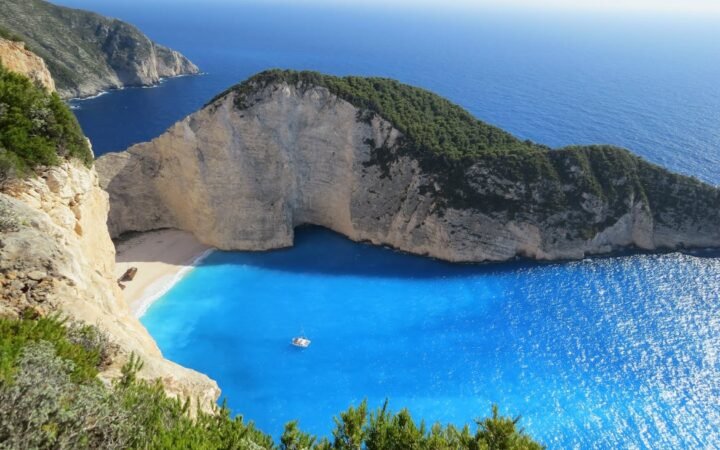
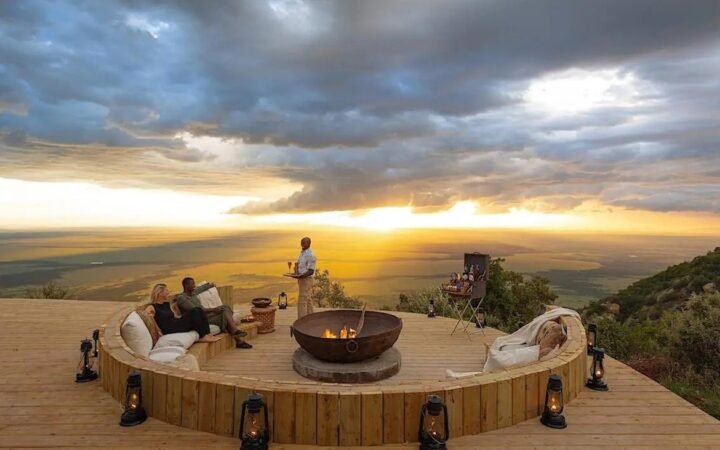
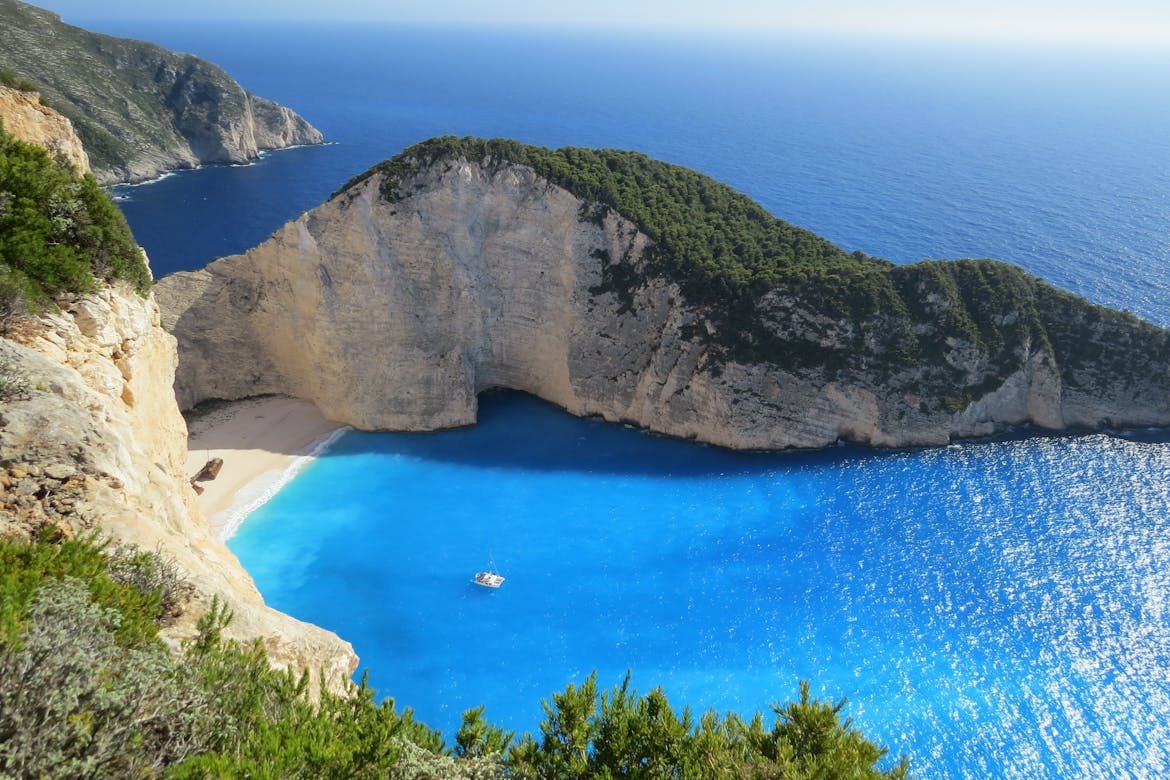
Travelers are chasing moments that inspire awe rather than traditional sightseeing. Natural wonders, rare events, and visually striking landscapes are driving destination choices. These experiences offer emotional impact that feels more meaningful than collecting photos of familiar landmarks. In 2026, memorable moments often matter more than famous locations.
Wellness Becomes the New Luxury
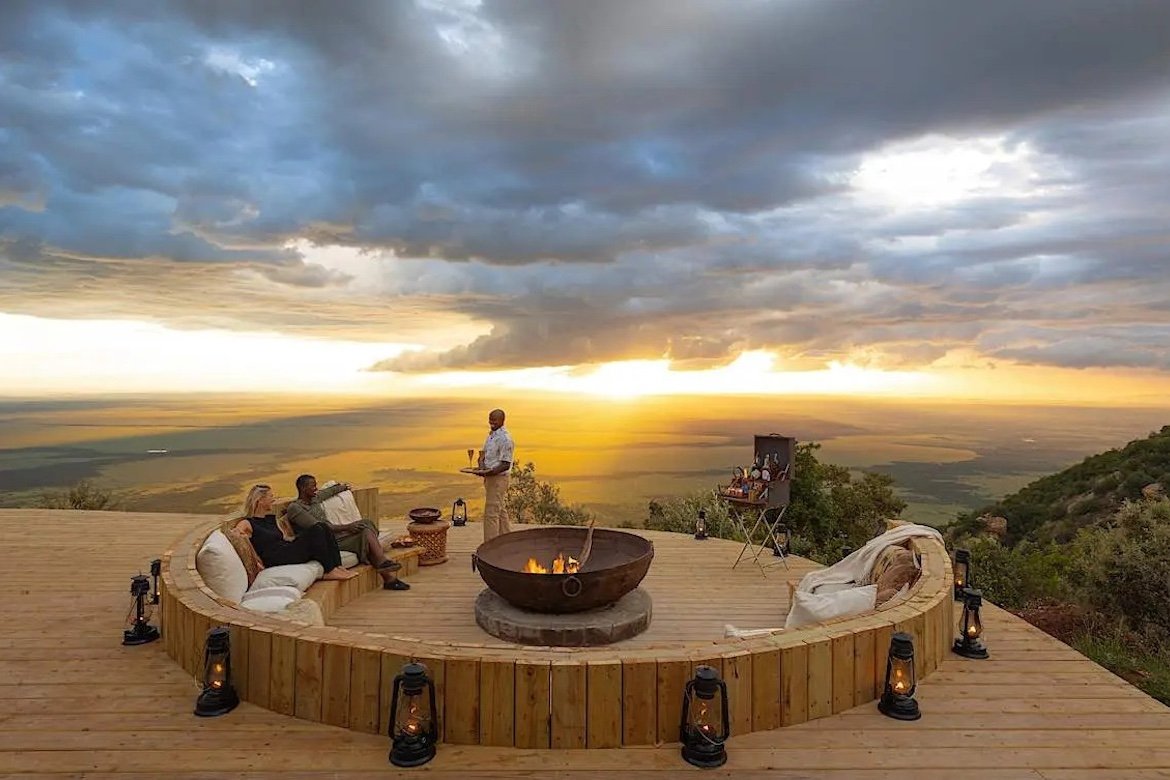
Luxury travel is being redefined around rest and recovery. Travelers increasingly associate high-end experiences with better sleep, spa treatments, quiet environments, and mental reset. Fine dining and premium amenities still matter, but only when they support overall well-being. Luxury is less about status and more about feeling restored.
Small Towns Over Big Cities
Large cities are no longer the default choice for many travelers. Smaller towns and rural destinations offer lower prices, fewer crowds, and a slower pace that many find more appealing. Travelers are drawn to places where local life feels accessible and personal. This trend favors charm, walkability, and a sense of place.
Event-Led Travel
Trips built around major events are on the rise. Concerts, sports tournaments, festivals, and cultural moments are increasingly the main reason for choosing a destination. Travelers are willing to plan entire itineraries around a single experience. In 2026, the event itself often matters more than the city hosting it.
Slow Travel Mindset
Travelers are intentionally slowing down. Rather than packing schedules, many prefer fewer activities, longer stays, and more unstructured time. This approach reduces burnout and makes trips feel more restorative. Quality is replacing quantity as the guiding principle.
Soft Adventure
Adventure travel is becoming more comfortable. Travelers want outdoor activities like hiking or cycling paired with good hotels, quality meals, and downtime. Roughing it is no longer required to feel adventurous. Soft adventure blends nature with comfort, making it accessible to a broader audience.
Together, these ten trends show that travel in 2026 is not about doing more, but about doing things better. Travelers want trips that feel efficient, flexible, and genuinely rewarding, proving that the future of travel is increasingly thoughtful rather than impulsive.