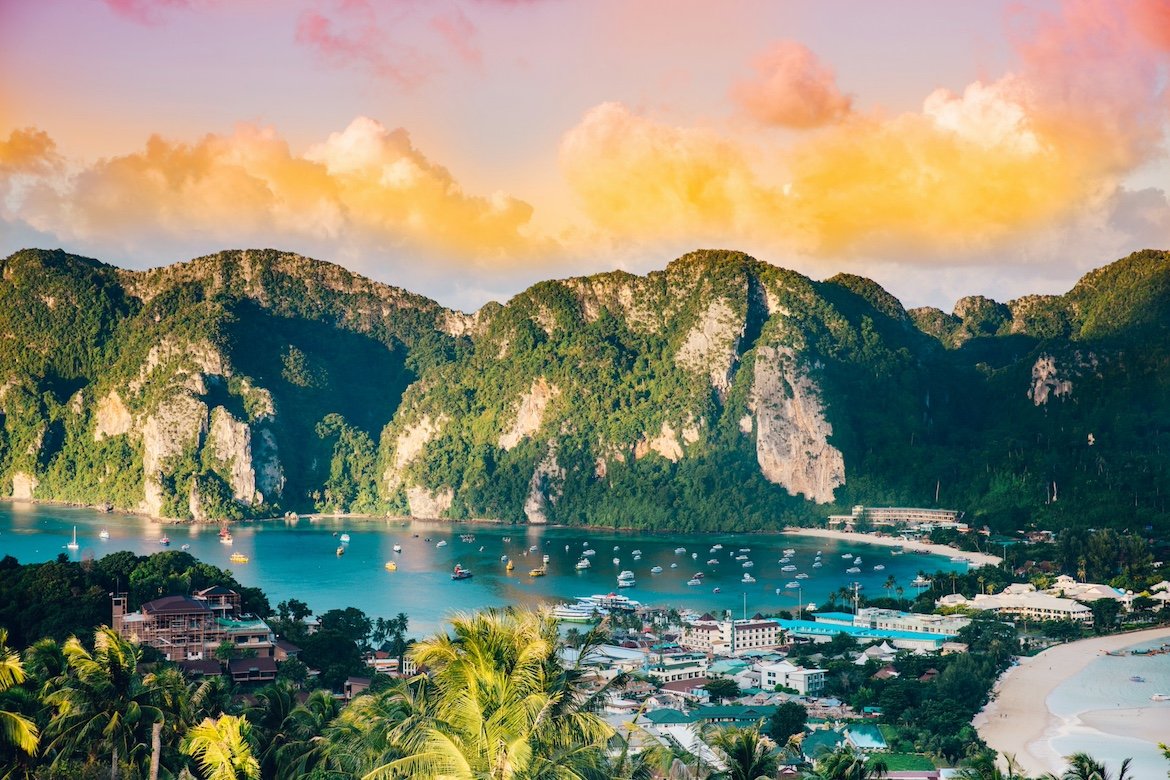
Thailand’s luxury hotel sector is entering a rare period of price correction, with five-star properties across the country offering steep discounts as international tourism slows. From Bangkok’s iconic riverside hotels to high-end resorts along the Andaman Sea, room rates have dropped significantly in response to weaker demand tied to geopolitical tensions and travel disruptions.
In some cases, discounts have reached up to 70%, bringing traditionally high nightly rates of around $1,000 down to below $300. Premium properties that once catered primarily to long-haul international travelers are now targeting domestic residents and expatriates with aggressive pricing strategies. The shift reflects a broader recalibration in Thailand’s tourism market, where global instability is beginning to outweigh the post-pandemic recovery momentum seen in recent years.
Tourism Slowdown Reshapes Pricing Strategy
The downturn is closely linked to the ongoing conflict in the Middle East, which has disrupted key air routes between Europe and Asia. Airspace closures and flight cancellations have made travel to Thailand more complicated and expensive, particularly for European and Middle Eastern visitors – two historically important markets for the country’s luxury segment.
As a result, arrivals from these regions are already running about 16% below typical levels. The impact is significant for an economy where tourism accounts for roughly 20% of GDP. While Thailand had set an ambitious target of 37 million international visitors this year, current trends suggest that figure may fall short, with some projections indicating totals could drop below 33 million.
Luxury hotels, typically more insulated from economic fluctuations, are now feeling the pressure. Industry analysts note that while affluent travelers are less price-sensitive, the combination of higher travel costs, geopolitical uncertainty, and reduced flight capacity is dampening demand across all segments.
In response, hotels are increasingly shifting their focus to domestic and regional travelers. Promotions aimed at Thai residents, including bundled packages with meals and services, have become more visible, echoing strategies used during the pandemic when international tourism collapsed.
At the same time, broader market dynamics are also contributing to the price adjustments. New hotel supply, particularly in Bangkok, has added competition, while seasonal factors and upcoming global events are influencing travel patterns. For instance, expectations that travelers may stay home during major sporting events are further weighing on demand forecasts.
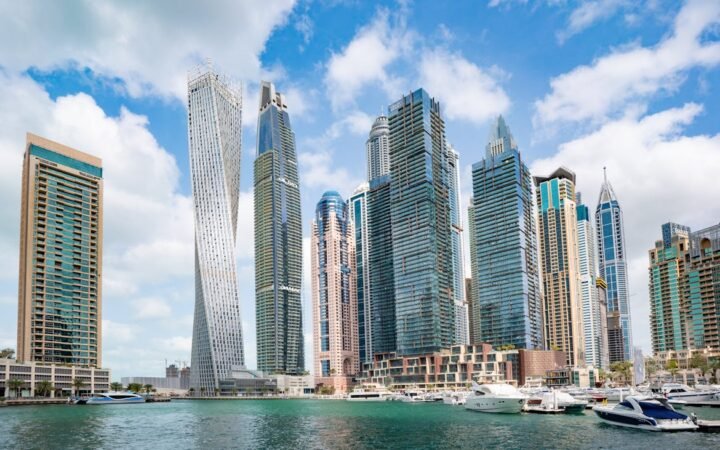
The trend is not limited to Thailand. Other global destinations, including Dubai, are also seeing luxury hotels introduce discounts and staycation offers as long-haul travel demand weakens. Across the industry, operators are adapting quickly to shifting conditions, balancing occupancy levels with pricing strategies in an increasingly uncertain environment.
For travelers, the current situation presents a rare opportunity to access high-end accommodations at significantly reduced rates. For the industry, however, it underscores the fragility of global tourism flows and the speed at which external shocks can reshape demand.