Thailand is facing a serious slowdown in its tourism sector in 2025. Foreign visitor numbers have dropped by over 7 percent year-over-year. Many hoteliers, shops, restaurants, and travel-service providers say this has led to lower revenue, rising costs, and uncertainty about the country’s economic outlook. In response, the government has introduced a set of emergency measures meant to reverse the decline and spread tourism more evenly around the country.
The government’s plan includes several major steps. Foreign tourists will be offered free domestic flights – up to two per visitor – to help them explore regions beyond the most popular destinations. Vouchers for spending at hotels, restaurants, and shops are being prepared. Off-season campaigns will promote Thailand during quieter periods, hoping to encourage travel between May and October.
The plan also aims to increase the length of stay: since many visitors stay fewer than seven days, policies will try to incentivize longer stays in secondary cities and rural areas.
What the Crisis Looks Like & Immediate Effects
Tourist arrivals are down by an estimated three million visitors so far this year, which has translated into a roughly 5 percent fall in tourism revenue. Operating costs – lodging, energy, wages – remain high, squeezing profit margins.
Many businesses outside Bangkok and Phuket are especially hurt, since most tourism infrastructure and marketing tended to focus on those hubs. Competition from neighbouring countries, currency fluctuations, and rising travel costs abroad also loom large.
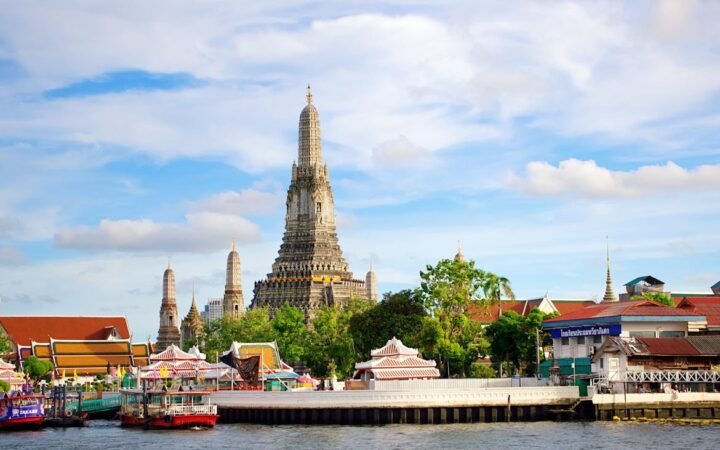
In regions less visited by tourists, the impact is double: not only are incomes down, but many communities rely on tourism for jobs and livelihoods. Empty hotels or half-filled tour groups are more common this year. Local transport, food vendors, guide operators – all have reported drops in demand. It’s not just coastal resorts; cultural provinces, historic temples, and regional markets are also feeling the pinch.
Emergency Measures & Longer-Term Strategy
Free domestic flights are a bold gamble. The idea is to make it appealing for visitors who arrive in Thailand to fly internally for free, so they see more than just one or two cities. This can spread spending and tourism pressure more evenly. The vouchers will help cushion expenses for tourists and encourage spending in local businesses.
Then there are marketing campaigns aimed at making Thailand a year-round destination, not one bound to high seasons or weather patterns. Off-season travelers are being courted with special packages, discounts, and themes that can bring in business travelers, conference attendees, or “slow tourists” who travel more deliberately.
The government also seeks to promote sustainable and inclusive tourism. There’s talk of boosting cultural, eco, and adventure tourism – not just beach or resort stays. Promoting lesser-known destinations, preserving heritage sites, and ensuring earnings flow to local communities are seen as essential to preventing overtourism in major sites while helping smaller ones thrive.
Challenges & What to Monitor
Despite the ambitious plan, there are several risks. Free domestic flights cost money, and the government is under fiscal pressure. The drop in arrivals came alongside a strong baht, which makes Thailand more expensive for foreigners. Also, rising global travel costs and competition from countries offering lower prices or easier access continue to threaten recovery.
There’s also the issue of infrastructure in less-visited areas. For tourist vouchers or flights to have impact, hotels, transport, amenities, and safety must match traveler expectations. If information, quality, or cleanliness is lacking, travellers may avoid new regions even if they’re offered incentives.
Monitoring will matter. Authorities will need real-time data on flight bookings, voucher usage, hotel occupancy, and length of stay. They’ll also have to track feedback about service quality and signage. Adjustments will be needed if some measures underperform, or if demand is more concentrated than expected.
Overall, Thailand’s emergency tourism rescue plan shows urgency and coordination. If the measures work, they may help reverse the decline, revive livelihoods dependent on tourism, and spread benefits more evenly across regions. It may be a turning point for how Thailand manages growth, seasonality, and competition.