Escalating clashes along the Thailand–Cambodia border have raised urgent questions for travelers as both countries head into one of their busiest tourism periods.
While the situation remains highly volatile in frontier regions, the main question for winter holidaymakers is whether travel plans to Bangkok, Phuket, Siem Reap, Phnom Penh, and other major destinations can continue safely.
With hundreds of thousands displaced near the border and land routes closed, understanding what is happening – and how it affects tourism – is essential for anyone preparing a trip.
Travel Conditions in Major Cities Remain Stable
Despite the intensity of fighting along the 800-kilometer border, travel operations in Thailand and Cambodia’s primary tourist hubs are currently functioning. Flights between Bangkok, Phuket, Chiang Mai, Phnom Penh, and Siem Reap continue as scheduled, and airports remain open with no direct disruptions.
Tourism authorities in both countries emphasize that the conflict is confined to remote frontier districts, far from the cities and resort areas relied upon by international visitors.
However, this week’s clashes reached unusually close to Thailand’s Trat province, bringing concern to travelers heading to popular islands such as Koh Chang, Koh Kood, and Koh Mak. Martial law is in place in parts of Chanthaburi, Trat, and Sa Kaeo provinces, and rail services from Bangkok now terminate before the border.
While these measures do not affect typical tourist itineraries, they highlight how quickly conditions can shift. In Cambodia, temple sites located directly on the frontier – including the contested Preah Vihear – are closed to the public.
For travelers planning overland routes, the most significant impact is the complete closure of land borders. Road crossings between Thailand and Cambodia are suspended, removing the possibility of combining both destinations in a single overland trip. Visitors who had planned bus or taxi transfers will need to adjust itineraries or continue by air.
Government Advisories and What Travelers Should Know
Travel advisories have tightened as the situation escalates. The UK advises avoiding all but essential travel to affected border sections, citing gunfire, artillery use, and unexploded landmines. Australia has issued a “do not travel” warning for a 50-kilometer zone on either side of the border – one of the strictest advisories issued for this area in recent years.
These warnings do not apply to the rest of Thailand or Cambodia, meaning tourism in main cities is still considered safe, though travelers should remain aware of the evolving security landscape.
As always, advisories influence insurance eligibility. In regions under “do not travel” status, coverage may be void, leaving travelers without compensation for disruptions. Those heading to unaffected regions should review policy terms carefully, monitor updates, and remain flexible with travel plans.
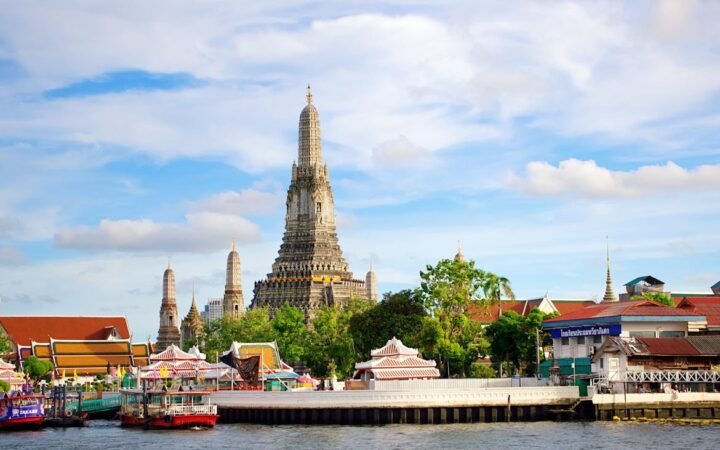
While the border conflict is severe and humanitarian needs are rising, tourism within Thailand and Cambodia’s primary destinations continues largely uninterrupted. Travelers can still enjoy Bangkok’s markets, Siem Reap’s temples, Phuket’s beaches, and Phnom Penh’s riverfront – but should stay informed, avoid restricted areas, and expect the possibility of changing conditions.
For now, the heart of both countries’ tourism sectors remains open, even as tensions on the frontier demand caution and close attention.