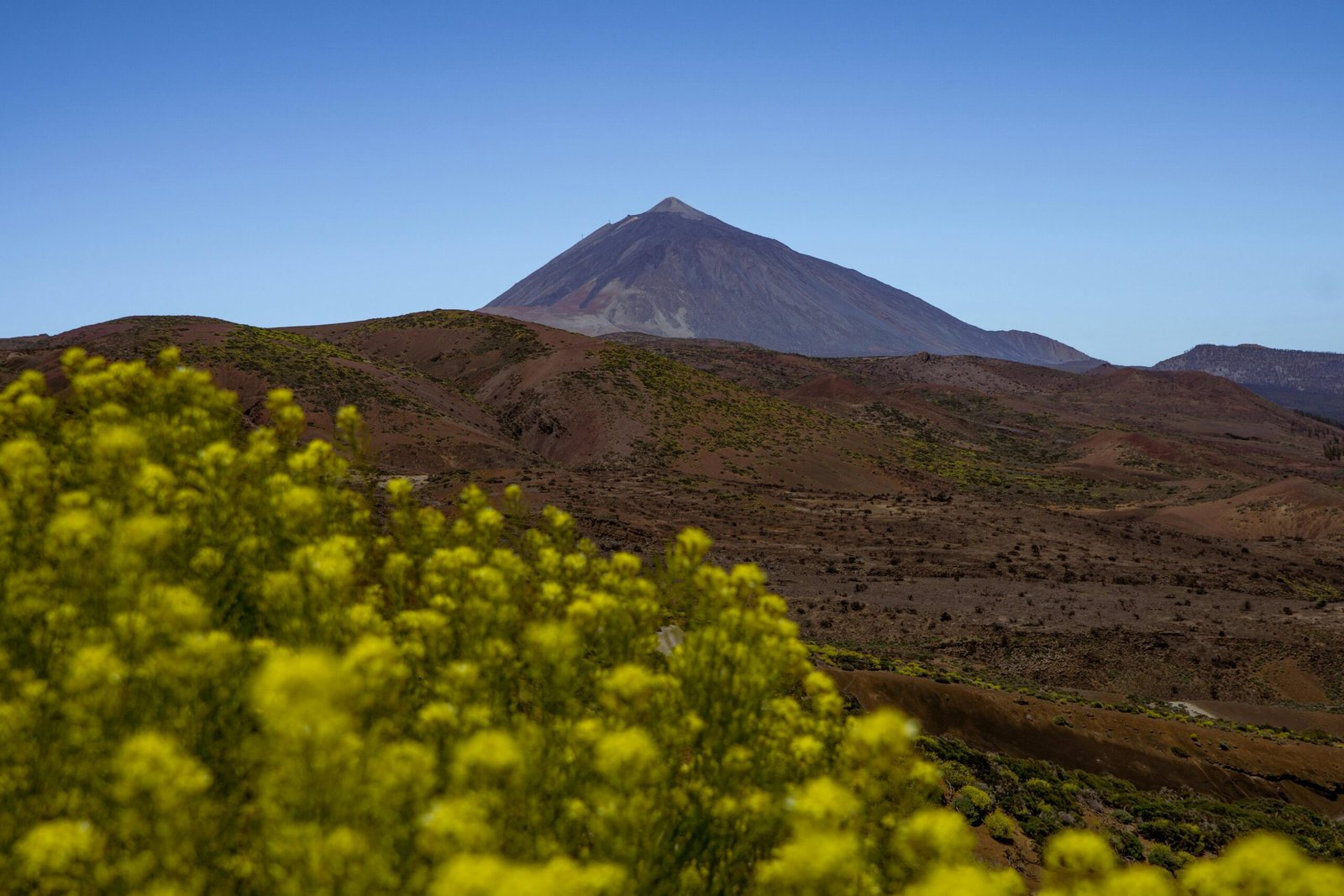
Tenerife, the most visited of Spain’s Canary Islands, has announced the introduction of a new eco-tax as the region confronts record-breaking levels of tourism and rising concerns about overtourism. The measure reflects growing unease about the environmental and social pressures caused by millions of visitors who flock to Spain’s islands each year for their beaches, mild climate, and natural beauty.
Officials stress that the eco-tax will not discourage travel but instead ensure that tourism revenue helps protect the resources that draw visitors in the first place. The funds are expected to go toward maintaining infrastructure, supporting local communities, and preserving fragile ecosystems across Tenerife and the wider Canary archipelago.
Record Numbers Prompt Policy Changes
Tourism is the backbone of the Canary Islands’ economy, and 2025 has brought unprecedented visitor figures. Hotels, holiday rentals, and local services are reporting full capacity, with international arrivals surging from both European and long-haul markets. While this has created a boost for businesses, it has also heightened pressure on housing, transport, and public services.
The new eco-tax will be applied to overnight stays, with rates depending on the type of accommodation. Authorities believe this will generate significant revenue that can be reinvested in the community, from funding environmental projects to improving local infrastructure strained by the tourist influx. The move mirrors similar policies adopted in Barcelona, Mallorca, and Venice, all of which have introduced tourism-related fees to offset the effects of mass travel.
Balancing Travel Demand and Local Concerns
Residents of Tenerife have voiced increasing frustration over the strain that heavy tourism places on daily life. Rising property prices, congestion, and environmental degradation have become key issues, leading to calls for a more sustainable approach to tourism management.
The eco-tax is seen as a step toward finding balance – ensuring visitors continue to enjoy Tenerife while also addressing the concerns of those who live there year-round. For travelers, the additional fee will be relatively small compared to overall trip costs, but for locals, it could bring meaningful improvements to quality of life and protection of natural landscapes.
This policy also ties into broader conversations happening across Spain. Earlier, we noted how Spain’s shoulder season prices in 2025 are no longer as affordable as they once were, reflecting growing demand that stretches beyond the traditional summer months. Tenerife’s eco-tax complements this trend, showing how popular destinations are reassessing their strategies to manage year-round tourism more responsibly.
What This Means for Future Travel
For visitors planning trips to Tenerife and the Canary Islands, the eco-tax is unlikely to change travel patterns significantly. The islands remain one of Europe’s most appealing destinations, thanks to their mix of sun, culture, and nature. However, travelers may notice a stronger emphasis on sustainability initiatives, from conservation programs to stricter rules around rentals and infrastructure use.
Industry experts suggest this could set an example for other regions facing similar challenges. As global tourism continues to grow, more destinations may adopt eco-taxes or visitor levies to strike a balance between economic benefit and the preservation of local heritage and natural resources.
In Tenerife, the message is clear: tourism is welcome, but it must also contribute to the long-term well-being of the island and its people. The eco-tax is not just about raising money – it is about reshaping how visitors and residents coexist in one of Spain’s most iconic destinations.