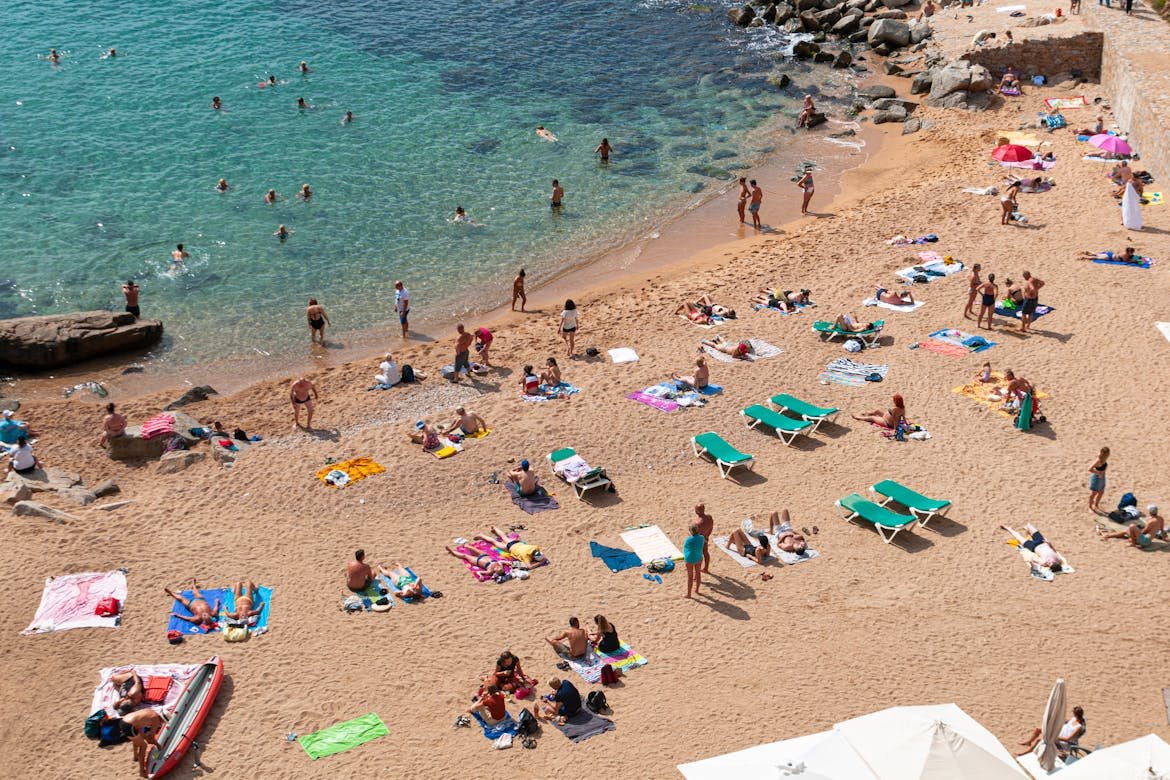

Spain’s tourism scene is undergoing a striking transformation: the much-vaunted “shoulder season” is losing its budget-friendly reputation. According to the country’s official statistics, Spain welcomed a record-breaking 11 million international visitors in July alone, bringing the total arrivals in the first seven months of 2025 to over 55 million. Spending has surged too – tourists have already poured more than €76 billion into the economy, up 7.2 percent from the previous year.
September No Longer Quiet… or Cheap
September, once a much-quieter period ideal for affordable trips, is now nearly as busy and expensive as high summer. Recent surveys indicate that one in six Spaniards plans to vacation in September – fewer people are taking holidays in August, and more are extending their travel into the late months of summer.
Average room rates across Spain rose to about €132 per night in September, a 21 percent price jump from the year before. On the Canary Islands, prices during that month have climbed over 25 percent compared to 2019, making September a high-demand season rather than a soft bargain period.
Although airfare into smaller Spanish airports has seen some relief, overall spending remains high – average tourist outlays per trip are up to €1,490, or around €210 per day. Even though a few budget-friendly airfare routes persist, hotel and activity costs continue to climb, dimming the value opportunities once associated with off-season travel.
Local Backlash and Changing Travel Patterns
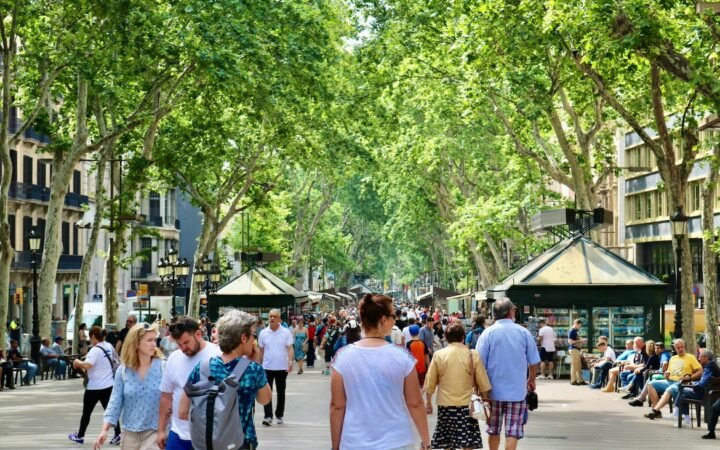
Spain’s surge in tourism has triggered social tensions in some areas. In the Canary Islands and cities like Barcelona and Mallorca, residents are increasingly protesting overtourism, citing housing shortages and environmental strain. Demonstrators have called for caps on visitors and tighter rental rules – reflecting growing fatigue over perpetual high-season levels.
At the same time, economic and weather factors are dissuading visitors from peak months. Heatwaves and ecological concerns have prompted travelers to reconsider peak summer vacations, favoring longer stays in September and October. But with demand rising in these traditionally quiet months, so do prices and tourist volumes. Tourism boards are now encouraging exploration of lesser-known regions – such as Galicia, Extremadura, and inland cultural gems – as alternatives to overheated coastal hotspots.
Rethinking the Travel Calendar
Spain’s tourism model is evolving. Once considered the ideal time to grab late-season savings, shoulder season now offers few financial advantages or quiet experiences. As global and domestic demand intertwine with adaptive consumer behavior, travelers must adjust expectations. This means either returning to genuine off-season (late autumn and winter, excluding holidays), targeting less-traveled areas, or seizing early bookings well ahead of even the fall surge.
For vacationers, savvy planning is now more essential than ever. The hope for an affordable “best of both worlds” period between high and low seasons needs recalibration. Spain remains a captivating destination in 2025 – but navigating it undisturbed and economically savvy requires new strategies.