A new kind of wellness travel is redefining how people take vacations. Instead of rushing through itineraries or chasing adventure, more travelers are seeking destinations that prioritize one simple goal – better sleep. Known as sleep tourism, this growing trend centers around rest, recovery, and mental rejuvenation.
According to a 2025 study by MattressNextDay, Vilnius, Lithuania, has emerged as the top European destination for travelers in search of true restoration.
The study analyzed over 300 European cities based on environmental and lifestyle factors such as air quality, noise and light pollution, green space, nightlife density, and climate conditions. The results highlight destinations that help visitors reset their minds and bodies, with Vilnius taking the number-one spot and several other European cities following closely behind.
Vilnius Leads the Way in Sleep Tourism
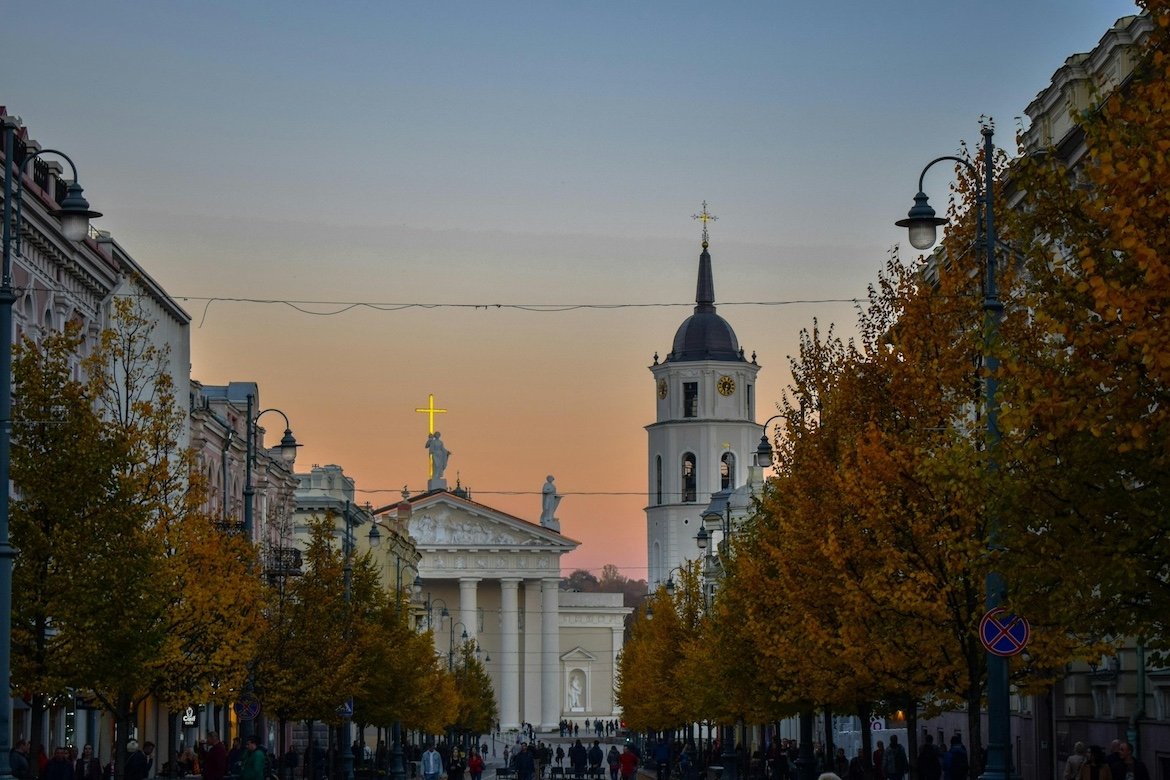
Vilnius scored an impressive 8.26 out of 10, ranking first in Europe’s Sleep Tourism Index. Its exceptional air quality, low noise levels, and 56% green space coverage make it a haven for rest-seekers.
The city’s cool nighttime temperatures, calm pace, and limited nightlife activity help travelers unwind naturally. Many of Vilnius’s boutique hotels and wellness resorts now offer amenities specifically designed for deep sleep – from blackout curtains and soft ambient lighting to herbal teas and soundproofed rooms.
Evenings in Vilnius exude a sense of quiet elegance. The Old Town’s cobblestone streets and the gentle glow of historic architecture create a calming atmosphere ideal for winding down. Beyond its scenic beauty, the city embraces wellness as part of its identity, with spa treatments and mindfulness retreats becoming central to its tourism offerings.
Europe’s Other Sleep Tourism Hotspots
While Vilnius leads the list, several other European cities stand out for their sleep-friendly environments. Dresden, Germany, ranked second with a score of 8.13, is known for its low light pollution, quiet urban landscape, and soothing rainfall – a natural lullaby for travelers seeking peace. Its balance of culture and calm makes it an ideal setting for restful stays.
In Poznan, Poland, which earned third place, visitors enjoy a slower pace than in major cities like Kraków or Warsaw. The city’s clean air, spacious parks, and minimal nightlife contribute to its relaxing vibe. For those looking to experience Polish culture without the crowds, Poznań offers tranquility alongside tradition.
Warsaw, Poland’s capital, also made the top five with an 8.01 score, thanks to its remarkable amount of green space – over 60% of the city is covered in parks and gardens. Despite being a bustling metropolis, it retains a surprising serenity that supports restful nights.
Completing the top five is Riga, Latvia, celebrated for its clean air, cooler temperatures, and balanced lifestyle. Riga’s riverside views and natural surroundings offer both visual and psychological calm, making it another leading destination for those prioritizing rest over rush.
Beyond these, other cities like Essen, Utrecht, Helsinki, Munich, and Amsterdam also ranked highly, showing that sleep tourism is not confined to remote locations – it’s spreading across Europe’s most livable cities.
Sleep experts emphasize that environmental factors play a crucial role in rest quality. Cooler temperatures, reduced noise, and natural surroundings all help lower stress hormones, allowing the body to achieve deeper sleep. Psychologists also note that sleep tourism helps travelers retrain their minds to slow down, disconnect from constant stimulation, and embrace restorative stillness.
As travelers increasingly prioritize wellness, destinations like Vilnius and its fellow European cities are redefining what it means to take a vacation. Instead of coming home exhausted, visitors are leaving refreshed – proof that sometimes, the best journeys begin when you finally close your eyes.