
As global travel continues to expand into 2026, safety remains a top priority for international travellers. The newest rankings from Berkshire Hathaway Travel Protection reveal which destinations combine security, infrastructure, and hospitality to offer travellers the most peace of mind.
Drawing on surveys, international safety indices and traveller feedback, the report highlights both countries and cities where visitors can feel confident exploring.
Top 15 Safest Countries
- Netherlands
- Australia
- Austria
- Iceland
- Canada
- New Zealand
- United Arab Emirates
- Switzerland
- Japan
- Ireland
- Belgium
- Portugal
- France
- United Kingdom
- Denmark
The Netherlands takes the number-one spot for 2026, a remarkable rise from previous years. It earned high marks for personal security, healthcare quality, and transportation safety. Australia and Austria round out the top three thanks to strong infrastructure, stable governance, and consistent rankings for female and LGBTQ+ traveller safety.
Iceland and Canada maintain their longstanding reputations for welcoming, low-crime environments, while New Zealand and the UAE are increasingly recognized for their visitor-friendly policies and focus on security.
European destinations dominate the list, with France, Portugal and the UK maintaining solid mid-tier placements, reflecting confidence in their resilience, emergency response, and tourism management. Denmark closes the list with strong social trust indicators and low reported incidents affecting international travellers.
Top 15 Safest Cities
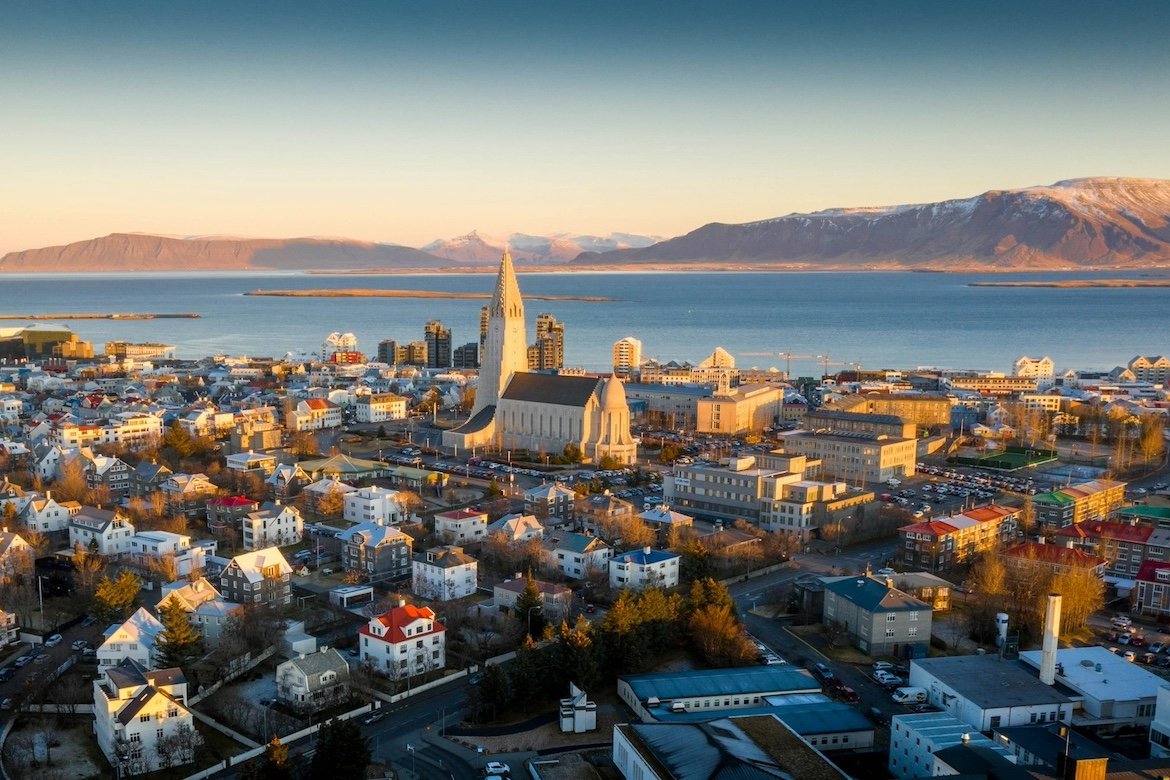
- Reykjavik
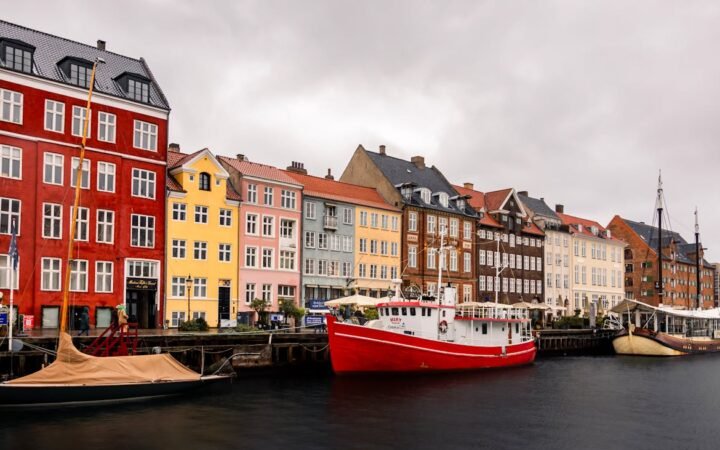
- Copenhagen
- Zurich
- Amsterdam
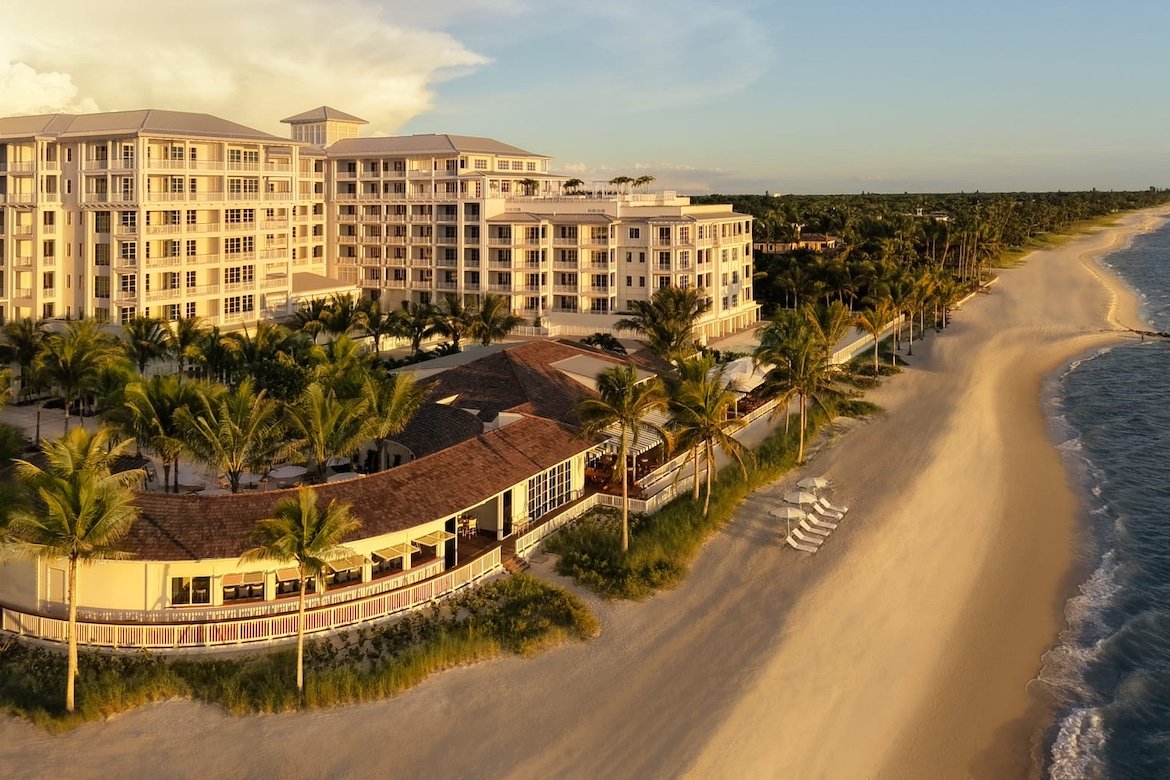
- Honolulu
- Sydney
- Barcelona
- Lisbon
- Tokyo
- Dublin
- Venice
- Seoul
- London
- Singapore
- San Francisco
At the city level, Reykjavik continues to hold the top spot for its combination of low crime rates, community trust, and overall stability. Copenhagen and Zurich complete the top three, recognized for effective policing, reliable transport, and transparent governance. Amsterdam joins the group as a model of safe, sustainable tourism management.
Further down the list, cities like Honolulu and Sydney represent strong performers in the Asia-Pacific region, praised for safety, cleanliness, and hospitality. European cities – including Barcelona, Lisbon, and Venice – illustrate how urban centres can balance heavy tourism with proactive safety policies. Tokyo, Seoul, and Singapore continue to lead in Asia, supported by efficient infrastructure and cultural respect for order and responsibility.
Understanding the Rankings
These results go far beyond simple crime statistics. The report considers factors such as health preparedness, disaster response, gender inclusivity, and access to emergency services. Countries and cities that invest in sustainability, education, and transparency consistently perform better in safety surveys.
The 2026 findings also highlight how safety perception evolves alongside global travel trends. Destinations that maintain strong community ties, manage tourism impacts, and communicate clearly with visitors tend to inspire long-term confidence.
For travellers, the lists of safest countries and cities provide more than reassurance – they outline a blueprint for smart, responsible exploration. Whether planning an urban break in Reykjavik or a countryside escape in the Netherlands, these destinations prove that safety and adventure can coexist beautifully.