The American Automobile Association (AAA) forecasts a record-breaking 72.2 million Americans will travel over the week of July 4th this year—marking the highest number ever recorded for the holiday. The travel window, defined as Saturday, June 29 through Sunday, July 7, reflects a 5% increase over last year’s numbers and surpasses pre-pandemic levels for the first time.
Travel demand is being driven by robust consumer confidence, easing fuel prices, and improved airline operations. AAA notes that nearly 86% of these travellers—about 65.5 million people—will take to the roads, while air travel will also hit new heights, with 5.7 million flying over the holiday period.
This year’s extended weekend and the midweek timing of Independence Day allow more flexibility for vacation planning, prompting Americans to stretch their celebrations into a full week of travel.
Strong Travel Trends Across All Modes of Transport
Road trips remain the most popular option, buoyed by average national gas prices staying below $3.50 per gallon—a welcome relief for families and long-distance travellers. Major urban hubs such as Orlando, Seattle, Chicago, and Las Vegas are expected to be among the top destinations, with peak traffic projected during the afternoon and early evening hours of July 3 and July 7.
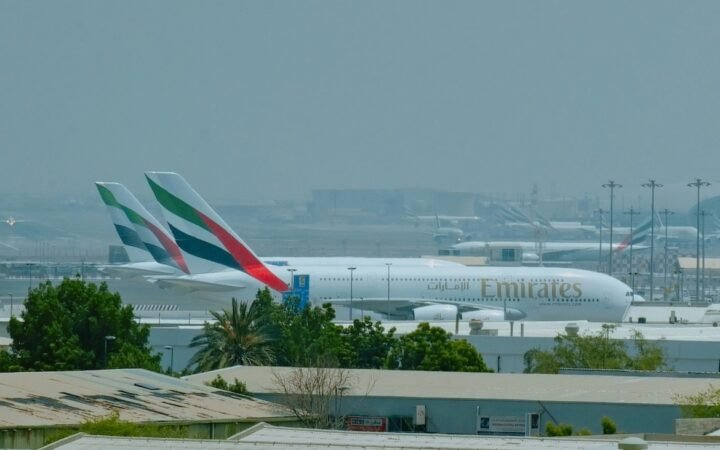
Airports are preparing for a surge, with domestic flight bookings up 7% from 2024. AAA’s data shows that airfare is 2% lower on average this year, largely due to expanded capacity from major carriers and stabilised fuel costs. Airports such as Atlanta, Denver, and Los Angeles anticipate their busiest Independence Day on record, while TSA screening volumes continue to set daily records.
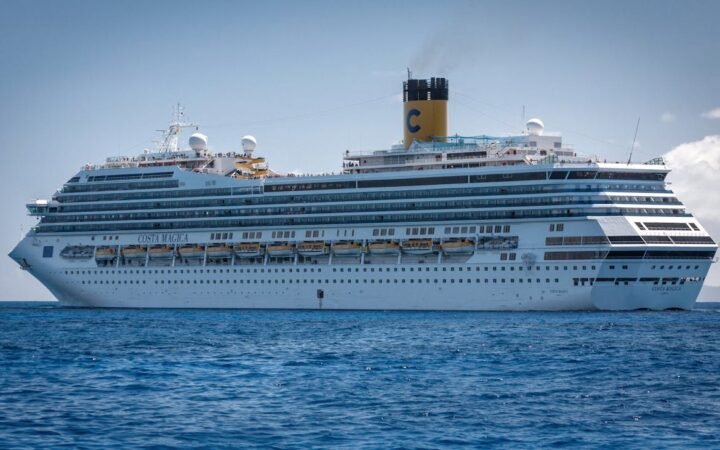
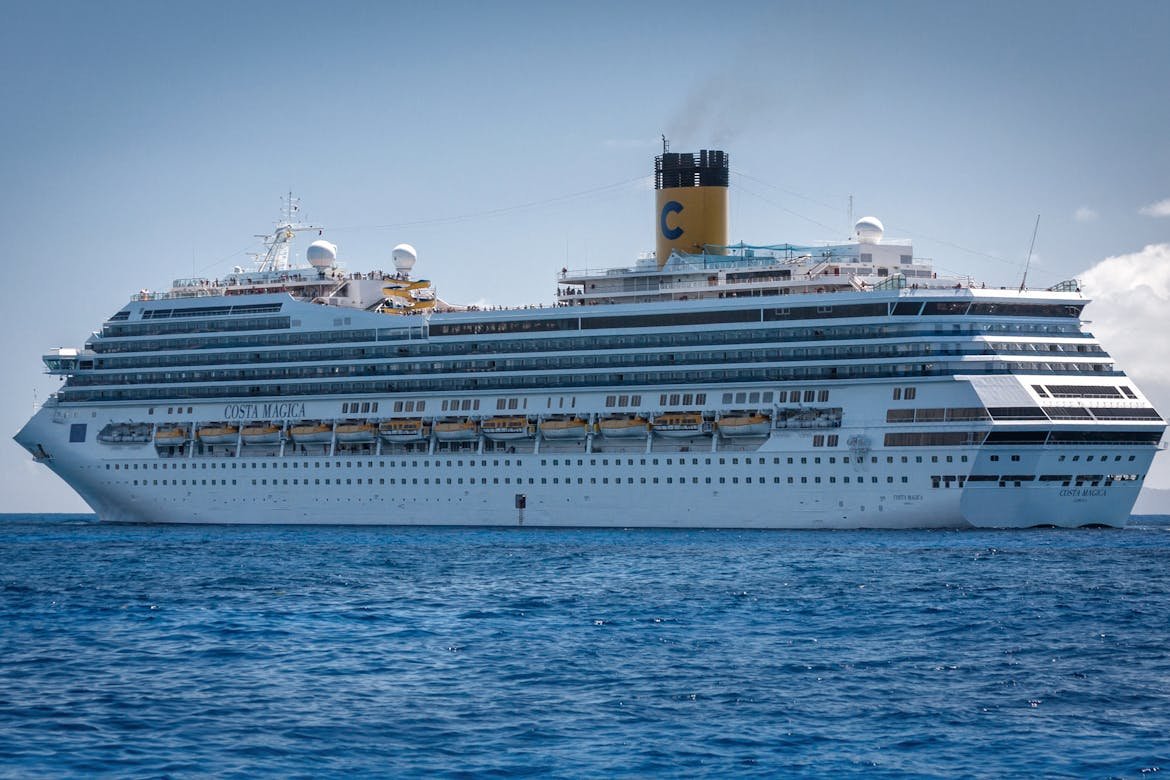
In addition to cars and planes, approximately 4.6 million travellers will rely on alternative modes like buses, cruises, and trains—a 9% increase from last year, reflecting renewed interest in multi-modal journeys and scenic routes.
What Travellers Should Expect Over the Holiday Week
Travellers should be prepared for longer wait times, higher occupancy rates at hotels and resorts, and increased pricing on last-minute bookings. AAA recommends that those driving plan routes in advance, avoid peak departure times, and check local traffic advisories.
On the aviation side, July 3 is expected to be the busiest day for outbound flights, while July 7 will see the heaviest return travel. AAA urges travellers to arrive at airports at least two hours early for domestic flights and three hours early for international departures.
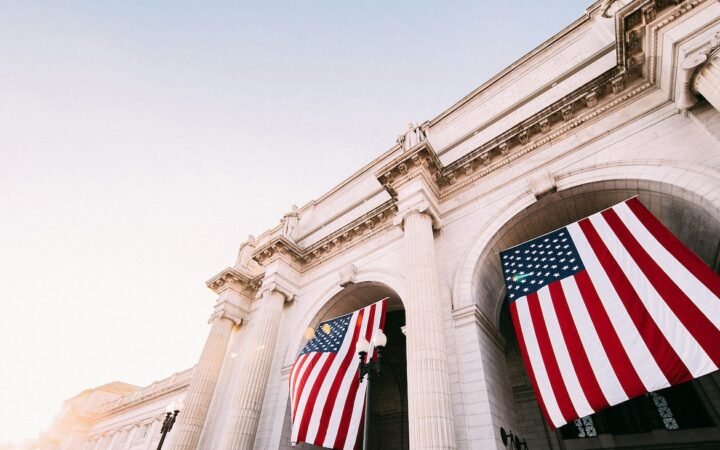
As Americans prepare to celebrate the nation’s birthday, 2025 is shaping up to be a landmark year for domestic travel. Whether by car, plane, or rail, more people than ever are embracing the spirit of independence on the move.