
The Philippines has introduced a new visa-free entry policy for Chinese nationals, marking a significant step in its efforts to revive tourism and strengthen regional travel ties. Effective January 16, 2026, holders of mainland Chinese passports can enter the country without a visa for stays of up to 14 days. The initiative is being rolled out as a one-year trial and applies exclusively to arrivals through Ninoy Aquino International Airport in Manila and Mactan-Cebu International Airport.
The policy allows visa-free travel strictly for tourism and business purposes and does not permit extensions or changes to another visa category once in the country. Travelers must present a passport valid for at least six months beyond their stay, confirmed accommodation, and a return or onward ticket. Authorities have emphasized that standard security checks will continue to apply, ensuring that the easing of entry requirements does not compromise border control.
The move aligns the Philippines more closely with other Southeast Asian destinations that already offer visa-free access to Chinese visitors. Before the pandemic, China was one of the country’s largest tourism source markets, generating significant visitor arrivals and spending. While numbers dropped sharply in recent years, officials see the new policy as a way to stimulate recovery and make the Philippines more competitive in the regional travel landscape.
Beyond leisure travel, the visa waiver is expected to support short-term business activity. A two-week entry window makes it easier for corporate travelers to conduct meetings, site visits, and preliminary project work, particularly in sectors such as infrastructure, construction, and renewable energy. However, authorities have stressed that any form of paid employment beyond the 14-day limit still requires appropriate work authorization under existing immigration rules.
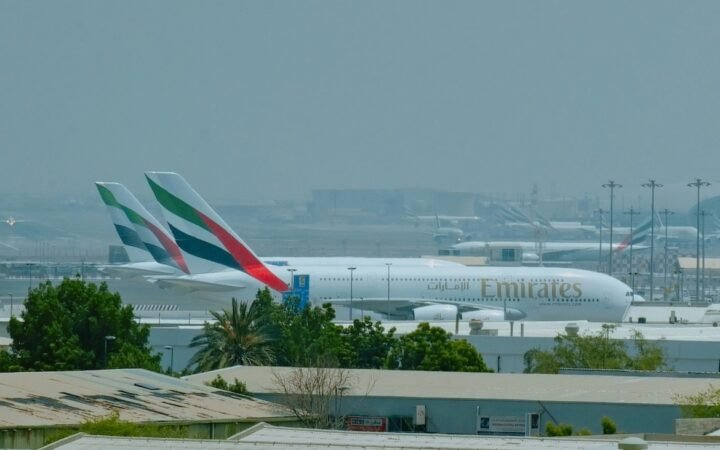
Airlines have responded positively to the announcement, signaling potential capacity increases if demand rebounds. Improved air connectivity between major Chinese cities and Philippine hubs could further accelerate travel recovery, especially during peak holiday and business travel periods. The policy may also encourage more spontaneous travel, as reduced paperwork lowers barriers for short trips.
The visa-free arrangement will be reviewed in the final quarter of 2026, with officials assessing its impact on arrivals, tourism revenue, and border management. Depending on the outcome, the program could be extended, adjusted, or discontinued. For now, the initiative reflects the Philippines’ broader strategy to rebuild international travel flows and reinforce its position as a welcoming destination in Asia’s increasingly competitive tourism market.