
New Zealand is making a bold move to attract remote workers, digital nomads and influencers by relaxing its visitor visa rules. The policy, introduced in 2025, allows travelers to work remotely for foreign employers while visiting the country for up to 90 days, with possible extensions of up to nine months.
The government sees this as a way to revitalize tourism, stimulate local economies and adapt to the global shift toward flexible work. After years of economic pressure and slow recovery following the pandemic, officials hope that longer stays, higher spending and year-round tourism flows will strengthen the country’s visitor economy and support sustainable growth.
The initiative also positions New Zealand alongside more than 50 countries now competing for remote workers, but with a distinct emphasis on nature, culture and high-quality living.
A New Strategy to Boost Tourism and Attract Global Talent
The updated visa framework aims to draw remote workers who can contribute to the economy without competing for local jobs. Digital nomads, content creators and high-skilled professionals are among the target groups, particularly those from the U.S. and East Asia.
Officials have emphasized that remote workers spend more per trip than traditional short-term visitors, often choosing extended stays that support local businesses, hospitality providers and regional attractions. This policy shift is designed to encourage that type of tourism, allowing visitors to enjoy the country’s landscapes and lifestyle while continuing their work routines.
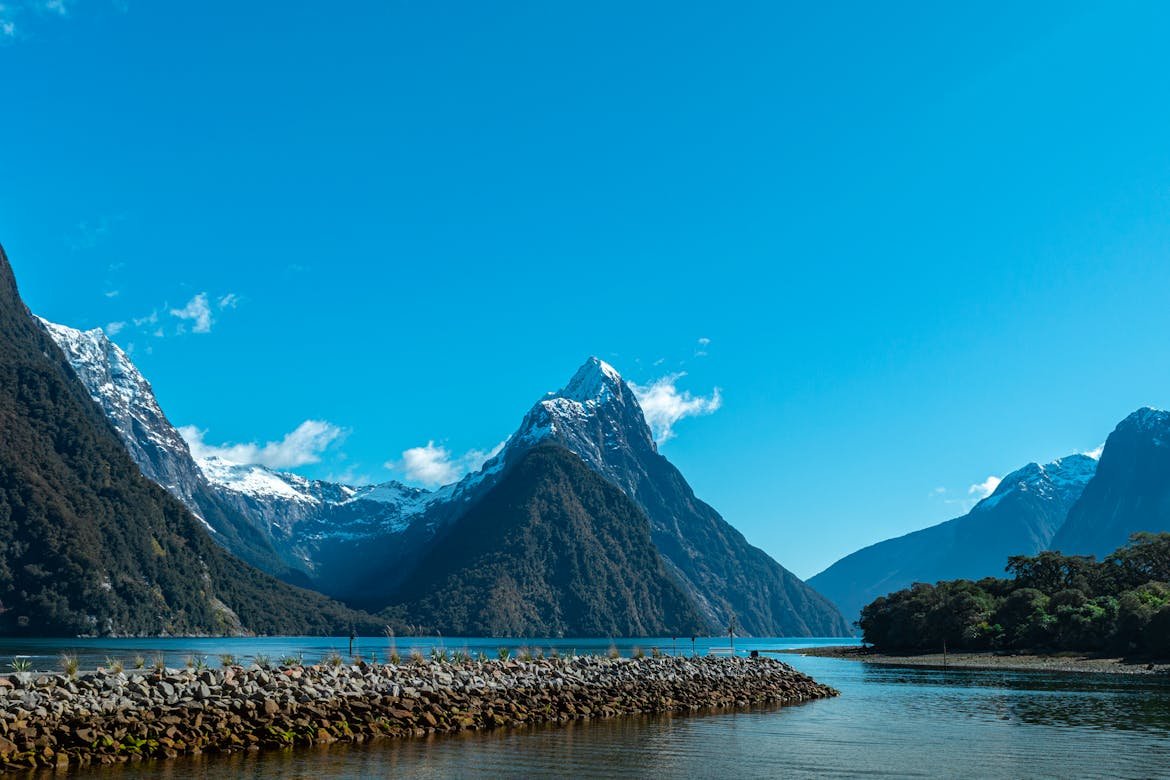
Beyond economic gains, New Zealand sees cultural and reputational advantages. The move reinforces the nation’s identity as a destination where natural beauty and modern flexibility coexist. Visitors can hike alpine trails, explore wineries or work from a lakeside cottage, all while maintaining their careers abroad.
Government leaders frame the policy as a way to bring “super-talented people” through the arrival gates, broadening New Zealand’s global connections and encouraging long-term engagement with the country.
While critics argue that the initiative lacks detailed projections and may present double standards compared to domestic remote work restrictions, the government maintains that the benefits outweigh potential risks.
Supporting Regional Development and Long-Term Tourism Growth
The policy’s impact is expected to reach far beyond major cities like Auckland and Wellington. Remote workers are likely to spend extended time in regions such as Southland, Taranaki and the Bay of Islands, helping spread tourism demand more evenly across the country.
This could reduce pressure on traditional hotspots like Queenstown and Rotorua while supporting the development of local infrastructure, including co-working spaces, long-stay accommodations and improved internet access.
Additionally, New Zealand’s approach aligns closely with its broader sustainability goals. Longer stays reduce the environmental footprint associated with rapid-fire tourism and encourage deeper engagement with local communities.
Flexible, extended travel also supports a more resilient tourism economy – one that is less dependent on peak seasons and better positioned to adapt to global changes in work and lifestyle.
As remote work continues to evolve, New Zealand’s updated visitor visa rules place the country at the forefront of destinations offering a blend of work-life balance, natural beauty and meaningful travel experiences.