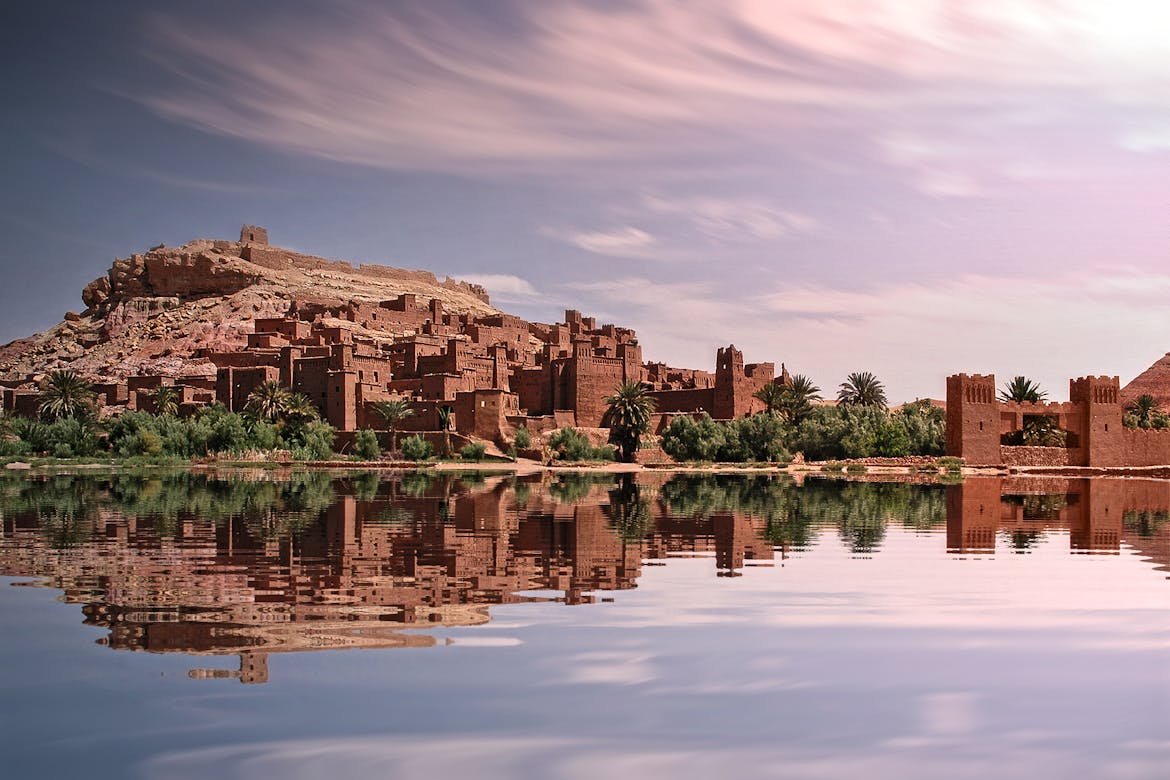

Tourism across North Africa reached a new milestone in 2025, with Morocco and Egypt firmly establishing themselves as the continent’s most visited countries. Both destinations posted record-breaking arrival numbers, underscoring a powerful rebound from the pandemic era and reflecting years of investment in aviation, infrastructure, and cultural attractions.
While tourism performance varies widely across Africa, data from international tourism bodies consistently shows Morocco and Egypt far ahead of other destinations, driven by their global visibility, accessibility, and ability to host large-scale events.
Together, the two countries welcomed nearly 39 million international visitors in 2025, setting a new benchmark for African tourism. Expanded flight networks, landmark cultural openings, and strong government-backed strategies helped push arrivals to historic highs, with both governments now setting even more ambitious targets for the years ahead.
Morocco: Connectivity, Football, and Long-Term Ambitions
Morocco reported approximately 19.8 million tourist arrivals in 2025, a 14% increase compared to the previous year. Visitor numbers are now around 50% higher than pre-pandemic levels, highlighting the sector’s resilience and growing global appeal. Tourism contributes roughly 8% of Morocco’s economy, making it one of the country’s most important industries.
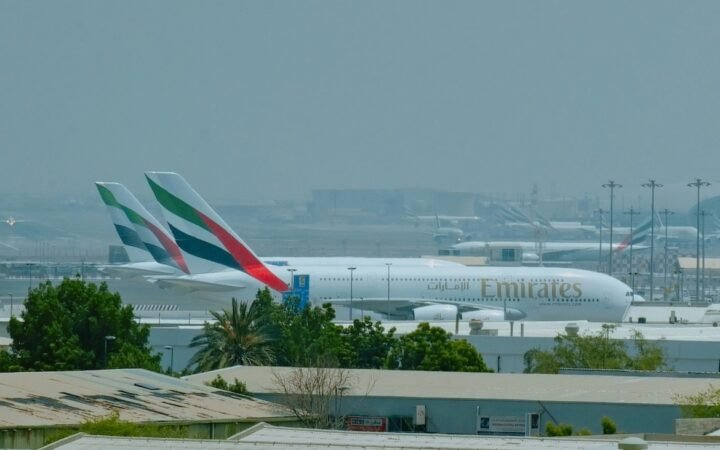
Air connectivity has been a central driver of growth. Royal Air Maroc expanded routes across Europe while strengthening long-haul links to the United States and China. The airline’s long-term plan to quadruple its fleet by 2038 signals confidence in sustained demand. Low-cost carriers, particularly Ryanair, also expanded their presence, opening Morocco to a broader range of travelers.
Major sporting events added further momentum. The Africa Cup of Nations, which began in December, brought tens of thousands of football fans to the country. Moroccan airports handled a record 36.3 million passengers in 2025, with Casablanca and Marrakech leading the surge.
Looking ahead, Morocco aims to attract 26 million visitors annually by 2030, when it will co-host the FIFA World Cup alongside Spain and Portugal.
Egypt: Culture-Led Growth and Rising Capacity Pressure
Egypt recorded 19 million tourist arrivals in 2025, marking a 21% year-on-year increase and placing it just behind Morocco. The strong performance came despite regional instability, underscoring Egypt’s enduring appeal as a global cultural destination.
A key catalyst was the opening of the Grand Egyptian Museum near the Pyramids of Giza. The $1 billion project has drawn global attention and large crowds, reinforcing Egypt’s position as one of the world’s most important heritage destinations. Demand has been so strong that hotel occupancy reached full capacity in some locations.
Egypt’s tourism authorities have set targets of more than 20 million visitors in 2026 and 30 million by 2031. Meeting those goals will require continued investment in hotels, transport infrastructure, and visitor services. Even so, Egypt’s 2025 performance confirms its role as a cornerstone of African tourism and a key driver of travel growth across the region.