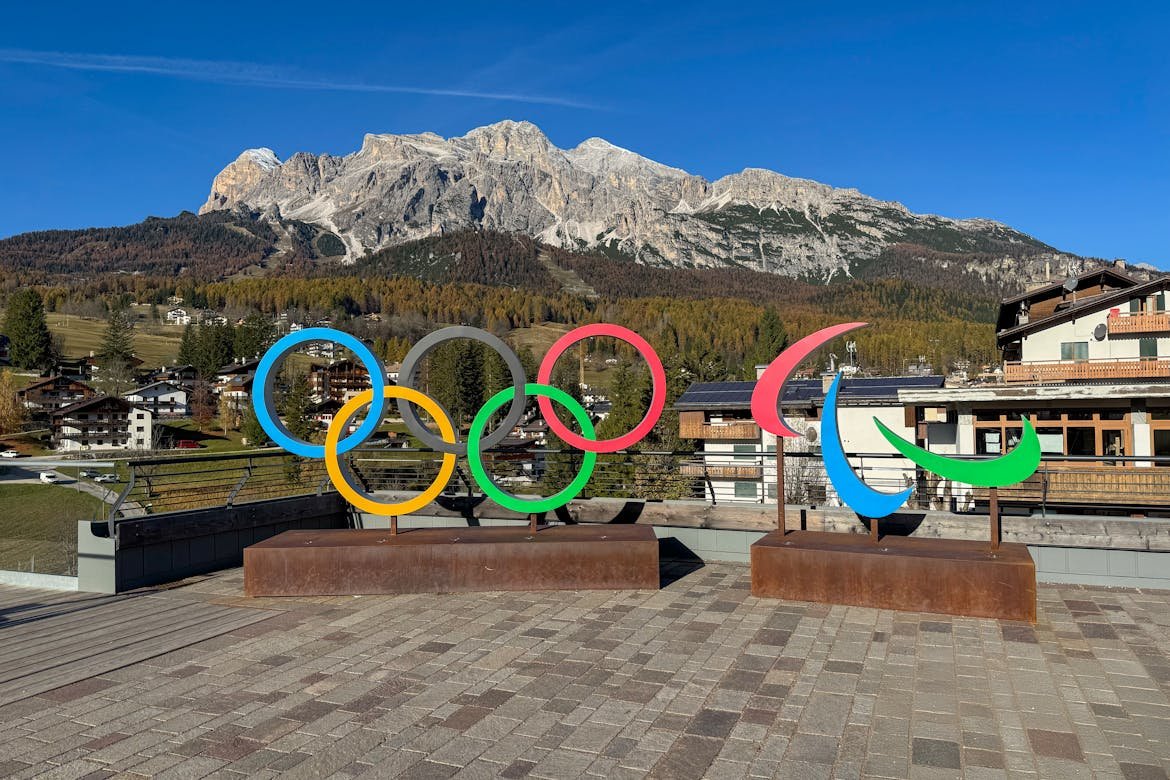
Italy will take center stage in February 2026 as it hosts the Winter Olympic Games Milano Cortina, an event designed to showcase the country’s cultural depth, Alpine landscapes, and modern infrastructure.
Unlike past Winter Games concentrated in a single region, Milano Cortina 2026 will stretch across multiple territories in northern Italy, creating a distributed Olympic experience that blends global cities with mountain venues. The Games will officially open on February 6, marking Italy’s return as Winter Olympic host for the first time since Turin 2006.
The Opening Ceremony will take place in Milan, setting the tone for a Games that deliberately connects urban life with winter sport. From there, athletes and spectators will move between venues spread across Lombardy, Veneto, Trentino-Alto Adige, and neighboring areas, with each location hosting disciplines that best fit its geography and heritage.
Ceremonies and the Olympic Cities
The Opening Ceremony of Milano Cortina 2026 will be held at the iconic San Siro Stadium in Milan on February 6, transforming one of Italy’s most famous football venues into a global Olympic stage. Milan will also host several major ice sports, including figure skating, speed skating, short track speed skating, and ice hockey, reinforcing its role as the Games’ urban heart.
The Closing Ceremony will take place on February 22 in Verona, a city better known for Roman history and opera than winter sports. The Verona Olympic Arena will provide a dramatic setting to conclude the Games, underlining the organizers’ goal of spreading Olympic moments across culturally significant Italian cities rather than concentrating everything in one host zone.
Venues, Travel, and Where the Sport Happens
Sporting competitions will be staged across 15 venues in eight territories, each selected to align naturally with the disciplines they host. Cortina d’Ampezzo will be a focal point for alpine skiing, curling, and sliding sports, while Bormio will host high-profile alpine events and ski mountaineering. Livigno will take center stage for freestyle skiing and snowboarding, reinforcing its reputation as a freestyle hub in the Alps.
Nordic disciplines such as ski jumping, cross-country skiing, and Nordic combined will be held in Predazzo and Tesero, long-established winter sport locations with existing infrastructure. Biathlon will take place in Antholz, one of the sport’s most respected venues.
Travel between venues has been a central part of the planning for Milano Cortina 2026. The Games rely heavily on Italy’s rail network, regional transport links, and coordinated event travel services, allowing spectators to combine attendance with broader travel across northern Italy. Milan serves as the primary transport gateway, while mountain venues are connected through regional hubs designed to manage Olympic-scale movement.
Accommodation is spread across cities, resort towns, and surrounding regions, reflecting the decentralized nature of the Games. Organizers have emphasized flexibility, encouraging spectators to stay in locations that align with their event schedules and preferred travel style.
Milano Cortina 2026 is shaping up not just as a sporting event, but as a country-wide showcase – one that invites visitors to experience Italy through sport, movement, and place.