The Middle East Crisis is rapidly redrawing the global travel map, triggering a sharp decline in tourism across the Gulf and creating a surge of redirected demand toward Europe. As geopolitical tensions intensify and airspace disruptions ripple across major travel corridors, millions of international travelers are reconsidering their destinations, with Europe emerging as the primary alternative.
Industry estimates suggest that the region is losing hundreds of millions of euros in tourism spending every day, with the broader economic impact projected to reach tens of billions of dollars in 2026. The Middle East had been one of the fastest-growing tourism regions globally, but the current conflict has reversed that trajectory almost overnight. International arrivals are now expected to fall sharply, with long-haul travel particularly affected due to disrupted airline routes and rising fuel costs.
Europe Emerges as the Primary Beneficiary
As travelers prioritize safety and stability, Europe is once again positioning itself as a reliable destination during periods of global uncertainty. Early indicators show growing demand across key European markets, particularly in southern destinations that offer a mix of leisure, climate, and established tourism infrastructure.
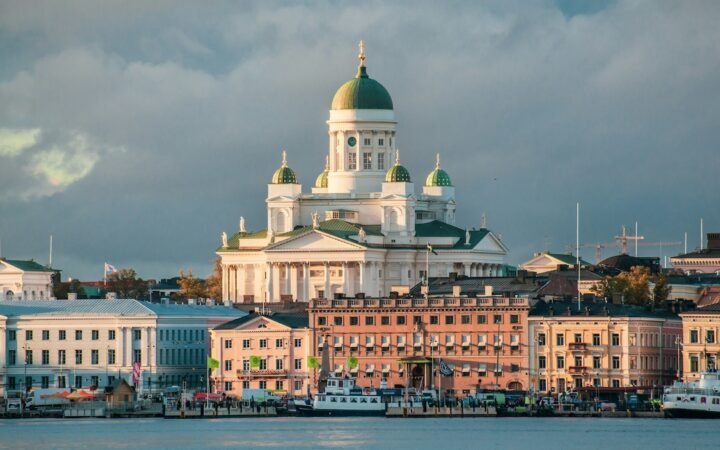
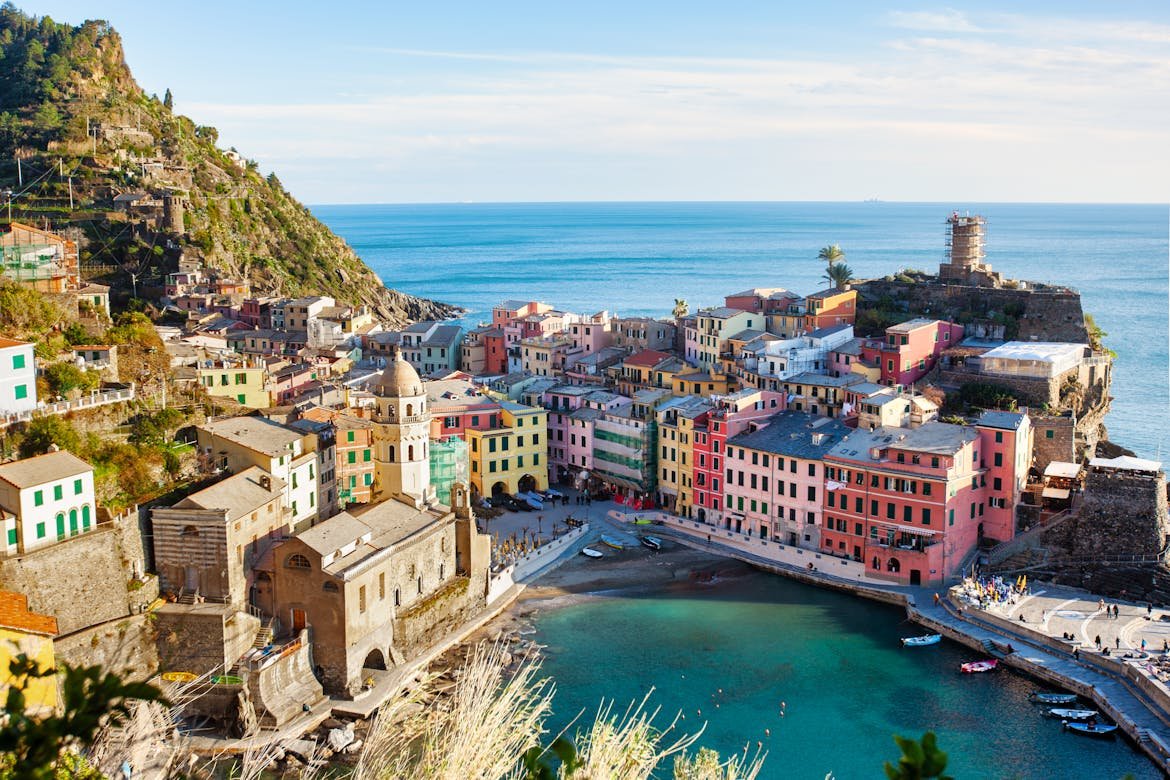
Mediterranean countries are expected to capture the largest share of this redirected demand. Spain, Italy, and Greece are already seeing increased interest from major outbound markets such as the United Kingdom, Germany, and France. At the same time, emerging destinations like Albania and Montenegro are gaining visibility as alternatives to more crowded hotspots.
The shift is not limited to international travelers. European tourists themselves are increasingly opting to stay closer to home, avoiding long-haul travel due to higher costs and longer flight routes caused by airspace restrictions. This trend is reinforcing intra-European tourism and extending travel demand beyond traditional peak seasons.
However, the influx raises questions about capacity and sustainability. Popular destinations that were already struggling with overtourism may face renewed pressure, forcing governments and tourism boards to rethink how visitor flows are managed.
Economic Impact and Long-Term Travel Trends
The financial consequences of the Middle East Crisis extend far beyond the region itself. The disruption of key aviation hubs is increasing flight times and operational costs globally, contributing to higher airfares and reduced travel demand in certain markets. Rising oil prices are adding further pressure, with jet fuel costs in some cases doubling within a short period.
At the same time, the tourism sector continues to demonstrate resilience. While demand is shifting geographically, the overall desire to travel remains strong. Travelers are becoming more selective, focusing on destinations that offer perceived value, safety, and a high-quality experience.
Recovery in the Middle East is expected to take months rather than weeks, even if the conflict stabilizes. Historical patterns suggest that while tourism can rebound quickly after crises, confidence among international travelers takes longer to rebuild, particularly for long-haul markets.
In the meantime, Europe and parts of North Africa stand to benefit from this redistribution of demand. The current moment highlights how quickly geopolitical events can reshape global tourism flows, reinforcing the importance of flexibility and adaptability within the travel industry.