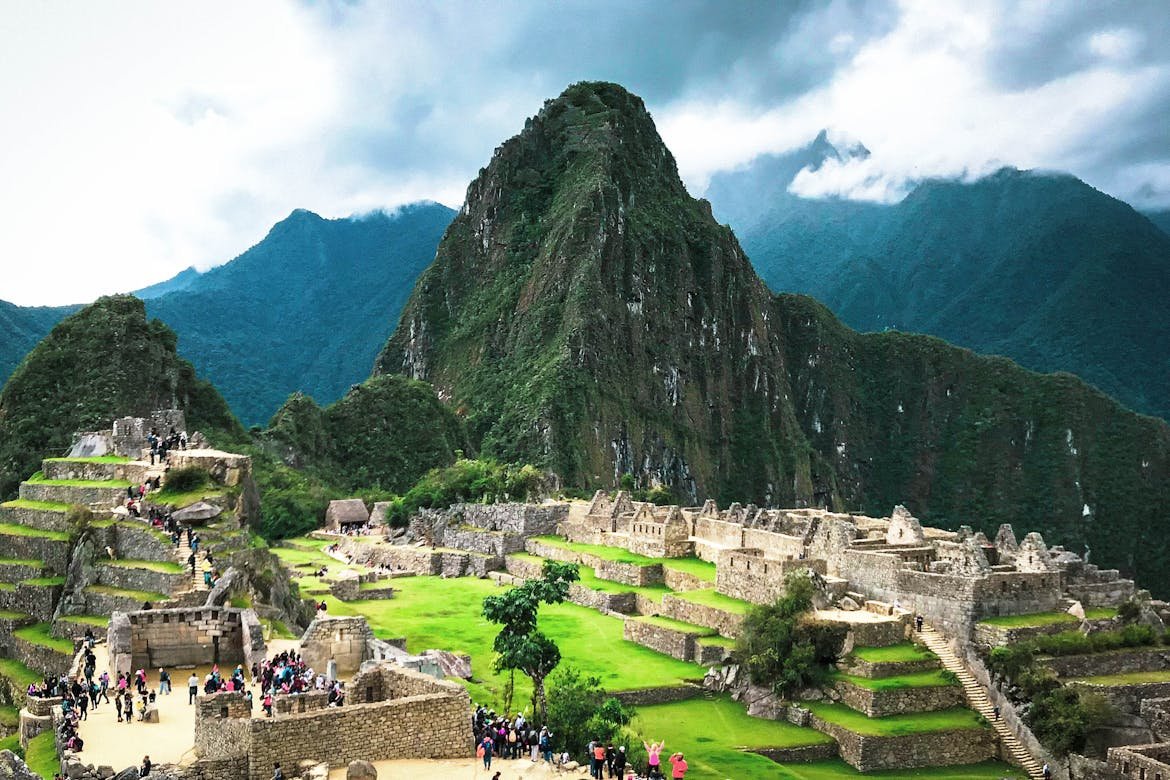

Renewed tensions over bus access have once again disrupted travel to Machu Picchu, Peru’s most visited archaeological site, leaving hundreds of tourists stranded and prompting emergency evacuations.
Recent protests and blockades in Aguas Calientes, the gateway town to the ruins, forced authorities to clear the railway line and organize special train departures for roughly 1,400 visitors.
The conflict centers on a long-running dispute between the established bus operator Consettur and rival firm San Antonio de Torontoy, which was selected to take over the route after Consettur’s three-decade license expired. Legal challenges have prevented the new operator from beginning service, fueling uncertainty at one of South America’s most iconic destinations.
The 20-minute bus journey from Aguas Calientes to the mountaintop ruins transports about 4,500 passengers daily and remains essential for nearly all visitors. With no direct road access, travelers must first take an expensive two-to-three-hour train into the town, then pay separately for the shuttle bus or attempt a steep two-hour climb on foot.
When protestors blocked the railway in September, authorities intervened to remove rocks from the tracks and evacuate tourists by special trains.
Community tensions have intensified around the licensing decision. Some locals argue that Consettur has held a monopoly over a highly profitable route for years, with round-trip bus tickets priced at $24 for foreigners and $15 for Peruvians.
Others say the bidding process that awarded the new contract lacked transparency. Consettur rejects accusations of monopolistic control, emphasizing that it is formed by 12 partner companies and includes the local district council, which owns a 38 percent stake.
The rival operator, however, is based in the wider Urubamba Province, adding fuel to debates about who should benefit from tourism revenue.
Rising Costs and Uneven Benefits for Local Communities
The bus dispute highlights broader frustrations among travelers facing high prices to visit Machu Picchu. Train tickets to Aguas Calientes are among the most expensive in Latin America, starting at $140 for a round trip and climbing to $2,000 for luxury service.
Some visitors express surprise at the multilayered transport system and the added cost of entry tickets, which stand at $57 for adults. Many say the overall cost far exceeds expectations, especially for those not booking through premium guided tours.
Local leaders and residents share concerns about how little revenue stays in the region. According to the mayor of Aguas Calientes, only 10 percent of ticket income remains in the area, while most revenue is managed nationally by the Ministry of Culture.
Vendors and community members argue that despite the volume of tourism, basic needs such as reliable water service, adequate schools, and proper medical facilities remain unmet. For many, the situation underscores how the benefits of Machu Picchu’s global appeal do not evenly reach nearby communities.
Regional tourism officials are calling for systemic reforms, including a unified national approach to managing travel resources and improving the visitor experience.
Proposed ideas include expanding entry points, redesigning visitor flow, and creating dedicated areas for different types of travelers – from spiritual groups to visitors focused on social media. However, Peru’s political instability, including frequent changes in leadership, continues to hinder long-term planning.
As legal challenges continue and tensions simmer, both bus operators say they are open to coexisting once approvals are finalized. Until then, access to Machu Picchu remains fragile, leaving travelers and locals uncertain about future disruptions.