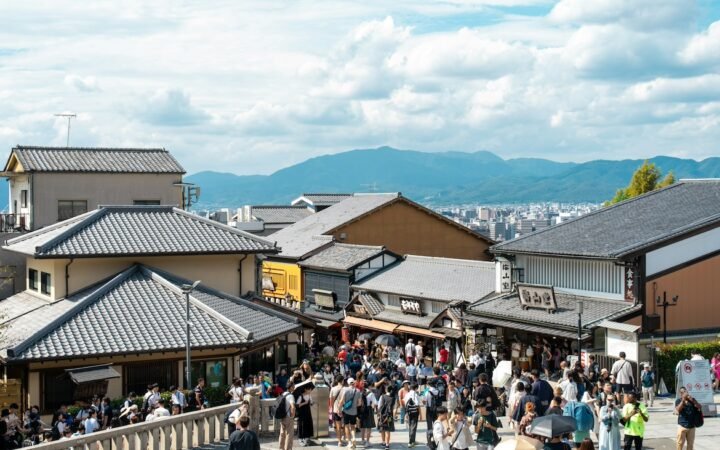
Kyoto, one of Japan’s most visited cities, is taking bold measures to address the growing strain of overtourism. Starting in March 2026, the city will implement the highest hotel tax ever introduced in the country. Officials hope the move will help balance the economic benefits of tourism with the need to protect cultural landmarks and ease the pressure on local residents.
Overtourism has been a pressing issue in Kyoto for years. With millions of visitors drawn annually to its temples, shrines, and historic streets, the city has faced rising complaints about congestion, overcrowding on public transport, and disruptions to daily life for residents. The new tax aims to regulate visitor flow while generating revenue for infrastructure and preservation projects.
Details of the New Hotel Tax
The updated tax will apply to both domestic and international travelers staying overnight in Kyoto. While Japan has previously introduced modest lodging taxes in several regions, the rate in Kyoto will surpass all others, signaling how seriously the city views its overtourism challenge.
Revenue from the tax is expected to fund initiatives such as improved waste management in crowded districts, better maintenance of heritage sites, and the development of sustainable tourism programs. Officials also suggest it could support public education campaigns that encourage more respectful visitor behavior.
While the tax will increase the cost of accommodation, authorities argue that the modest price hike is unlikely to deter genuine travelers. Instead, the measure is designed to filter out mass short-stay tourism that contributes heavily to congestion without providing significant economic value.
A Model for Sustainable Tourism in Japan
Kyoto’s decision comes at a time when many destinations worldwide are grappling with the consequences of overtourism. From Venice to Barcelona, cities have experimented with entry fees, tourist caps, and stricter rental regulations to regain control over visitor numbers. Kyoto’s approach positions it as a leader in Asia’s sustainable tourism movement.
The initiative is also being closely watched by other Japanese cities, which face their own visitor management issues. Tokyo, Osaka, and Hokkaido have all seen rapid increases in international arrivals, raising questions about whether similar measures may be adopted nationwide.
Local residents have expressed cautious optimism, hoping the tax will reduce overcrowding and preserve the quality of life in neighborhoods often overwhelmed by visitors. At the same time, business owners are balancing concerns about higher costs with recognition that long-term sustainability is essential for Kyoto’s global appeal.
For travelers, the change highlights the growing importance of responsible tourism. Visitors to Kyoto will be encouraged not only to pay the tax but also to engage more thoughtfully with the city – by exploring lesser-known districts, respecting local customs, and traveling outside peak hours.
By implementing Japan’s highest-ever hotel tax, Kyoto is sending a clear message: the city is determined to protect its cultural heritage while ensuring tourism remains an asset, not a burden. If successful, the initiative could inspire similar action across Japan and beyond.