
RateHawk’s 2025 booking data offers a clear snapshot of how global travel demand evolved over the past year – and where pressure points are likely to emerge in 2026. Based on bookings made by travel professionals rather than consumer searches, the trends highlight not just where travelers wanted to go, but where trips were complex enough to require expert planning.
The result is a practical map of destinations seeing sustained popularity, rapid acceleration, luxury skew, and longer-than-average stays, all of which shape availability, pricing, and trip design going forward.
Italy emerged as the most booked destination overall, reinforcing its position as a perennial favorite rather than a fleeting trend. Japan, meanwhile, recorded the fastest year-over-year growth, signaling how quickly momentum can build when a destination remains culturally prominent for multiple seasons.
Beyond headline destinations, RateHawk’s data also surfaced Bolivia as a budget standout, Egypt as a luxury leader, and island destinations such as Aruba and the Maldives as magnets for extended stays.
Where Demand Accelerated and Concentrated
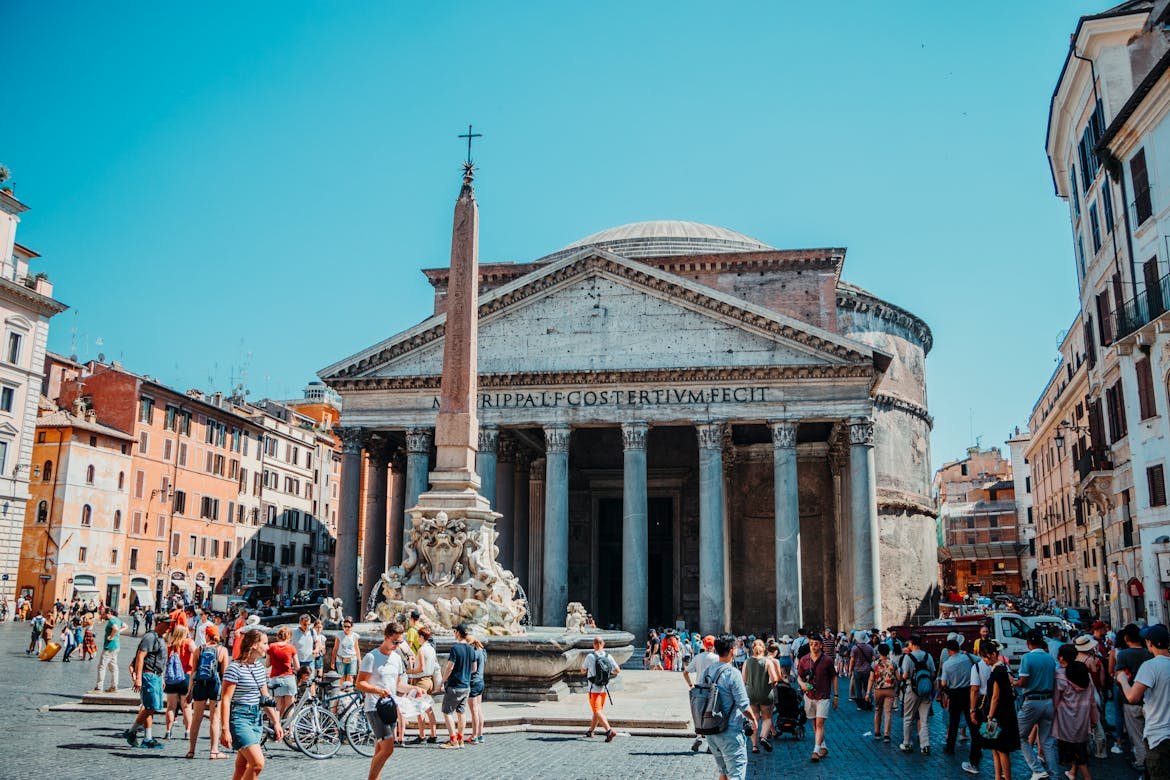
Italy’s dominance in 2025 bookings was driven by classic city demand, with Rome, Milan, Florence, and Venice accounting for the bulk of stays. These cities continue to anchor short breaks, pre- and post-cruise stays, and first-time European itineraries.
The data also revealed how high-end demand layered on top of volume, including one of the platform’s most expensive bookings of the year: a $311,000, two-week luxury stay in Sardinia. This combination of mass appeal and premium demand suggests Italy will remain highly competitive during peak travel windows.
Japan’s rise was even more striking. Hotel bookings through RateHawk surged 94% year over year, reflecting record inbound tourism that surpassed 30 million arrivals by October. While Tokyo, Osaka, and Kyoto remained the main drivers, travelers increasingly ventured into regions such as Hokkaido and Okinawa.
Rapid growth creates a different kind of pressure than steady popularity, with availability tightening first around centrally located hotels, rail segments, and reservation-based experiences rather than flights alone.
Budget, Luxury, and Long-Stay Signals
Outside the most talked-about destinations, RateHawk’s trends highlight how travelers balanced cost, comfort, and trip length. Bolivia stood out as the most budget-friendly destination, with average nightly rates of $79 and strong interest in La Paz, Santa Cruz, and the Uyuni salt flats.
Egypt, by contrast, skewed heavily toward luxury, with five-star hotels accounting for 60% of all stays. Red Sea resorts, Nile cruises, and Cairo continued to attract travelers willing to book premium accommodations early.
Length of stay was another defining factor. While the global average trip lasted three nights, destinations such as Aruba and the Maldives saw travelers staying around six nights. Longer stays increase exposure to disruptions – from missed connections to delayed transfers – making planning buffers and flexible terms more critical than on short city breaks.
Taken together, RateHawk’s 2025 travel trends show that popularity is no longer just about crowds. Concentrated demand reshapes cancellation policies, pricing spreads, and recovery options when plans change.
For travelers and advisors looking ahead to 2026, the lesson is less about chasing trends – and more about recognizing where flexibility, timing, and early planning will matter most.
These findings align closely with broader destination rankings shaping traveler behavior heading into next year. Tripadvisor’s recently released list of the world’s top travel destinations for 2026 underscores how quickly attention can concentrate around a relatively small group of headline cities and leisure hotspots.
When viewed alongside RateHawk’s booking data, the overlap reinforces a key takeaway for 2026 planning: destinations that dominate rankings tend to experience faster tightening of availability, earlier price escalation, and less room for last-minute flexibility.
For travelers and advisors alike, understanding how these lists interact is becoming just as important as choosing the destination itself.