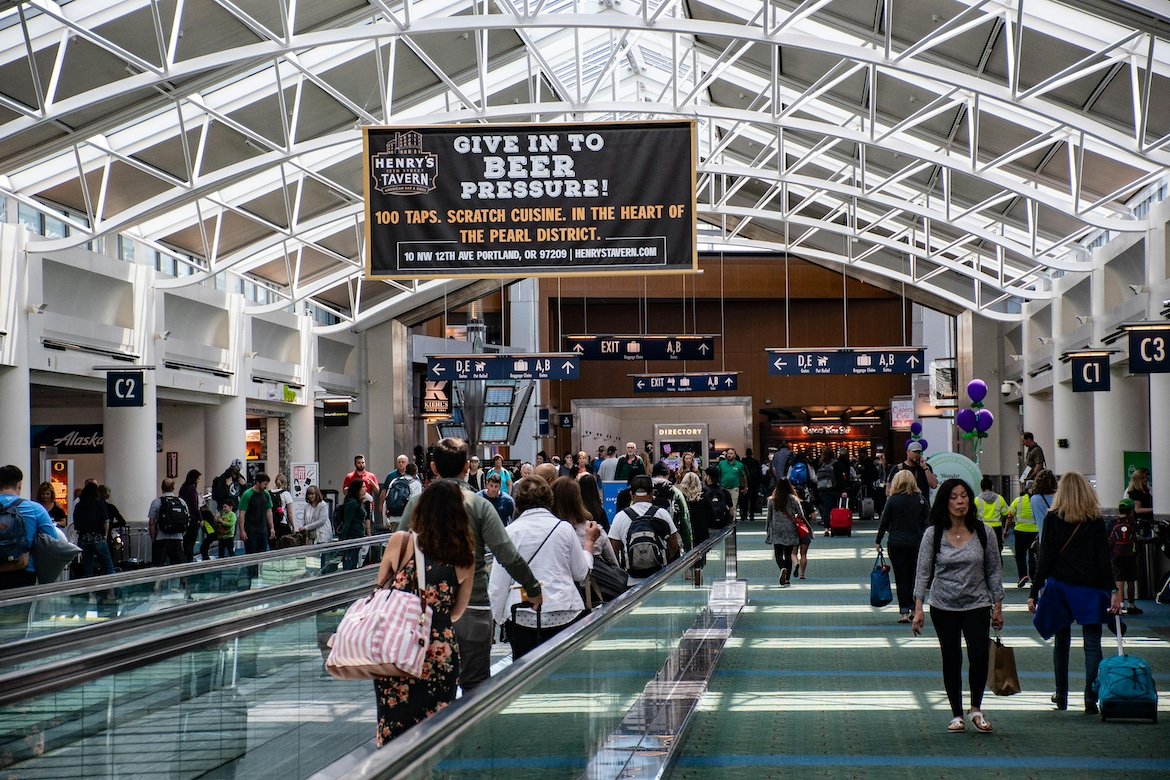

The U.S. aviation system is facing growing strain as the federal government deploys Immigration and Customs Enforcement officers to airports in an effort to ease mounting security delays caused by the ongoing Department of Homeland Security shutdown. The move comes as tens of thousands of Transportation Security Administration employees continue to work without pay, leading to increased absenteeism, long lines, and operational disruptions at major airports nationwide.
Under the plan, ICE agents will assist with limited airport security duties, such as monitoring exit lanes, managing crowds, and potentially checking passenger identification. Officials have framed the deployment as a temporary solution to alleviate pressure on TSA staff and reduce wait times that in some cases have stretched to several hours. However, details of the rollout remain unclear, with authorities still determining which airports will receive additional personnel and what specific roles they will perform.
Staffing Shortages and Operational Strain
The current crisis stems from a prolonged funding impasse that has left more than 50,000 TSA employees without full paychecks for weeks. The financial pressure has resulted in a spike in callouts and resignations, with hundreds of officers reportedly leaving their positions since the shutdown began. At some airports, staffing shortages have forced the closure of screening lanes, significantly slowing passenger processing.
Travelers are bearing the brunt of the disruption, facing unpredictable wait times and increased uncertainty when planning their journeys. In some cases, passengers have missed flights after spending hours in security lines, while others are arriving at airports far earlier than usual in an attempt to avoid delays.
Government officials argue that the deployment of ICE agents can help stabilize operations by freeing up TSA personnel to focus on core screening functions. By taking over less specialized tasks, ICE officers are expected to act as a “force multiplier,” allowing trained screeners to return to checkpoints and improve throughput.
Safety Concerns and Political Tensions
Despite these intentions, the plan has drawn criticism from lawmakers, labor unions, and aviation experts who question both its effectiveness and its potential impact on passenger safety. Critics argue that ICE agents lack the specialized training required for aviation security, which includes detecting prohibited items, analyzing X-ray images, and responding to complex threat scenarios.
Industry representatives warn that substituting or supplementing trained TSA officers with personnel who do not possess equivalent certification could create new vulnerabilities rather than resolving existing ones. Some experts have described the deployment as largely symbolic, suggesting it may have limited practical effect on reducing wait times or improving security outcomes.
The situation is further complicated by the broader political standoff that triggered the shutdown. Disagreements over immigration policy and federal funding continue to stall negotiations, leaving airport operations caught in the middle of a larger policy dispute. The introduction of immigration officers into airport security roles has also raised concerns about heightened tensions among travelers, particularly in an already stressful environment marked by delays and uncertainty.
As the shutdown continues, the aviation sector faces a delicate balancing act between maintaining security standards and managing operational pressures. While emergency measures such as ICE deployment may provide short-term relief, the longer-term solution remains tied to resolving the funding impasse and restoring stability to the workforce responsible for keeping air travel safe.