Hurricane Melissa, now the world’s strongest storm of 2025, has left a trail of devastation across the Caribbean, forcing flight cancellations, port closures, and mass evacuations. The Category 5 hurricane first slammed into Jamaica on October 28 before making landfall in eastern Cuba, unleashing destructive winds, torrential rain, and catastrophic flooding. Authorities have confirmed at least seven deaths across the region, with Jamaica, Haiti, and the Dominican Republic among the hardest hit.
Flights Canceled and Travelers Stranded
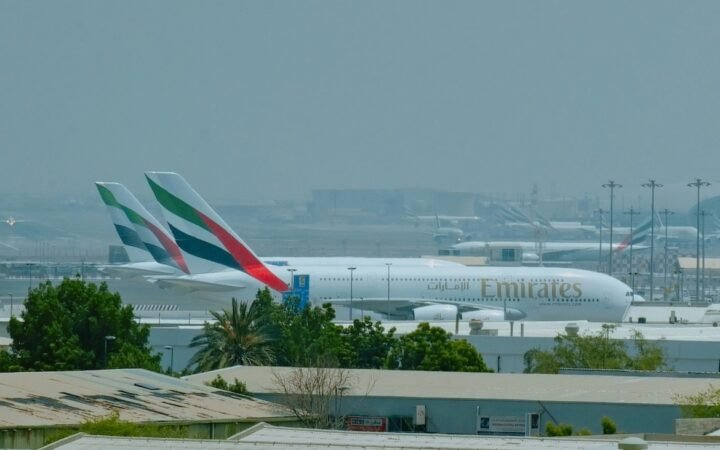
In Jamaica, where the storm first made impact, authorities warned of “catastrophic flash floods and landslides,” with rainfall reaching up to 700 millimeters and winds topping 135 miles per hour. Both Sangster International Airport in Montego Bay and Norman Manley International Airport in Kingston were shut down as a precaution, leaving hundreds of travelers stranded. Airlines including JetBlue canceled multiple flights, while tour operators like TUI advised travelers to delay their trips until further notice.
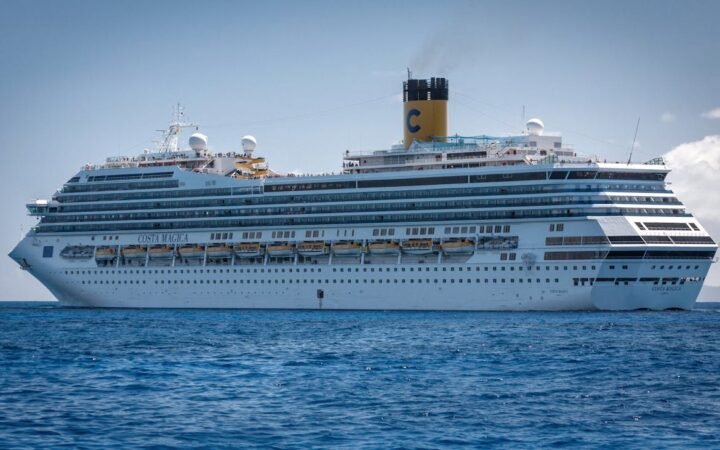
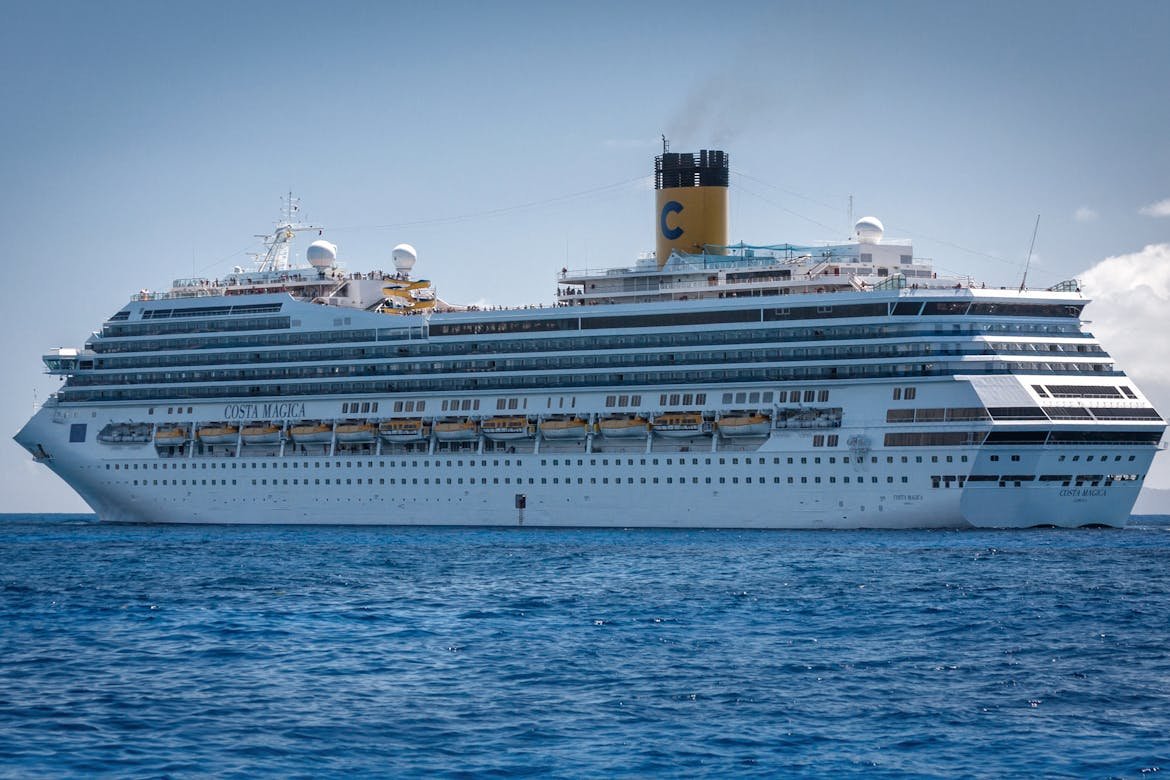
Ports were also closed, with cruise lines such as Carnival Cruise Line and Royal Caribbean rerouting their ships away from Jamaica. Travelers already on the island were urged to shelter in place, with local authorities opening emergency shelters across affected parishes. Officials warned that food, water, and medical supplies could become scarce in the aftermath of the storm, and power outages affected more than 50,000 households.
The Jamaican government announced that airport operations would resume only after full safety assessments are completed, urging passengers to monitor official updates before attempting to travel. Despite early warnings and evacuations, significant flooding has already been reported in Clarendon and St. Elizabeth, where parts of entire towns are submerged.
Cuba Faces Heavy Damage and Economic Strain
By early Wednesday, Hurricane Melissa made landfall in Santiago de Cuba as a Category 3 storm, still powerful enough to cause widespread destruction. Over 700,000 people were evacuated across eastern Cuba, as the government prepared for potential storm surges of up to 3.6 meters and rainfall exceeding 50 centimeters.
President Miguel Díaz-Canel described the hurricane as “the strongest ever to hit national territory,” warning citizens not to underestimate its force. In his televised address, he assured that resources would be mobilized to protect lives and restore essential services. Yet the storm’s impact threatens to worsen Cuba’s ongoing economic crisis, which has already been marked by shortages of electricity, food, and fuel.
Heavy rain has triggered landslides and flooding across the provinces of Guantánamo, Santiago de Cuba, and Camagüey, forcing school closures and widespread infrastructure damage. Four hospitals sustained structural harm, one losing power entirely and requiring patient evacuations.
As the storm moves north toward the Bahamas, forecasters warn that residual rain and strong winds could still bring life-threatening flooding to nearby islands. Relief efforts are underway in Jamaica and Cuba, though officials caution that recovery may take weeks.
For travelers, Hurricane Melissa serves as a reminder of the increasing unpredictability of storm seasons in the Caribbean. Airlines and tour operators continue to work on rebooking passengers and processing refunds, while governments focus on ensuring the safety and recovery of affected residents. As cleanup begins, the region braces for a long recovery from what is already being called “the storm of the century.”