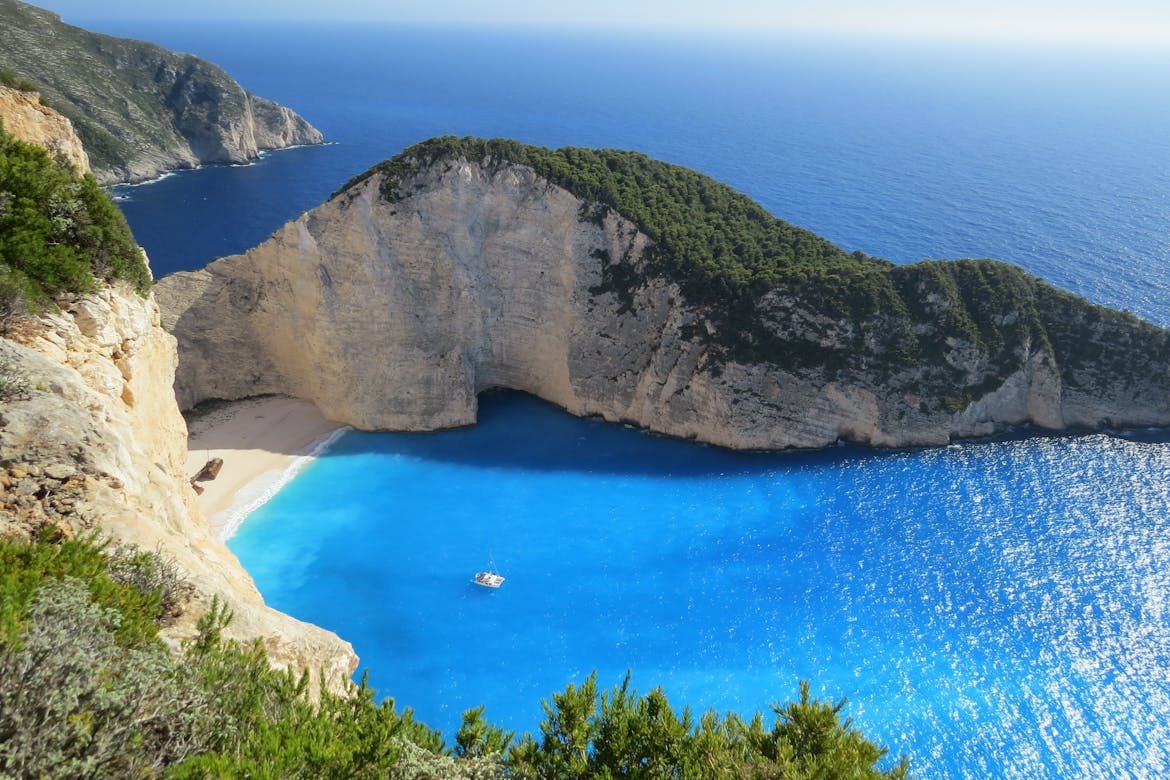
Europe’s beloved destinations are implementing serious changes to prevent overtourism from overwhelming their communities and ecosystems. In Sardinia, iconic beaches like La Pelosa, Cala Goloritzé, and Cala Luna now require reservations through official apps, with daily limits enforced to preserve fragile shorelines and reduce overcrowding. The results are already visible – lower visitor numbers translate into healthier ecosystems and a smoother experience for those with confirmed access, though spontaneous visits are now largely off the table.
Meanwhile, Spain is cracking down on the housing side of tourism. Cities like Barcelona and Palma de Mallorca are phasing out short-term rental licenses by 2028 and shutting down thousands of unlicensed listings. The aim is to restore balance to housing markets and curb the phenomenon of neighborhoods turning into tourist-only zones. Vacationers are being nudged toward licensed hotels and regulated stays – something to keep in mind when planning those last-minute bookings.
Protecting Fragile Destinations: Cruise Caps and Authorised Access
Greece has taken visible action too, especially for its overrun islands. Santorini and Mykonos now operate under cruise ship caps, with an additional €20 passenger fee going toward infrastructure support. The result? Fewer crowds during peak periods, though travelers should verify cruise itineraries – less access could mean rerouted ports or rescheduled visits.
Italy’s Sardinia, along with cruise-era regulations, is also introducing penalties for antisocial behavior across several cities. Tourists caught sitting on the Spanish Steps in Rome might be fined up to €400, while public drinking bans and dress code rules are being enforced in Ibiza, Mallorca, and historic centers throughout the continent. These rules aren’t about stopping fun – they’re meant to preserve public spaces and cultural landmarks for everyone.
Europe’s Digital Border Overhaul: EES and ETIAS Take Shape
Behind the scenes, the EU is pressing ahead with its digital transformation of border control. Starting in October, the new Entry/Exit System (EES) will replace manual stamps with automated biometric checks – collecting fingerprints and facial data alongside travel details. Travelers will need proof of accommodation, health insurance, and a return ticket to pass through smoothly.
Shortly after, the ETIAS (a mandatory travel authorisation akin to the U.S. ESTA) will launch. It offers three-year validity at a €20 flat rate and streamlines entry for visa-exempt visitors. Although rollouts were delayed, EU officials confirm that EES and ETIAS are coming soon as standard requirements. Travelers must prepare in advance – failing to comply may result in delays, denied boarding, or extended lines.
Europe’s approach to overtourism is now multifaceted: combining limits on access, legal enforcement, and digital monitoring systems. These measures raise the bar for travelers – requiring more planning, compliance, and respect – but they also aim to safeguard destinations and offer a more sustainable, meaningful travel experience. For those willing to adapt, the reward may be escaping the crowds and connecting more deeply with local culture and nature.