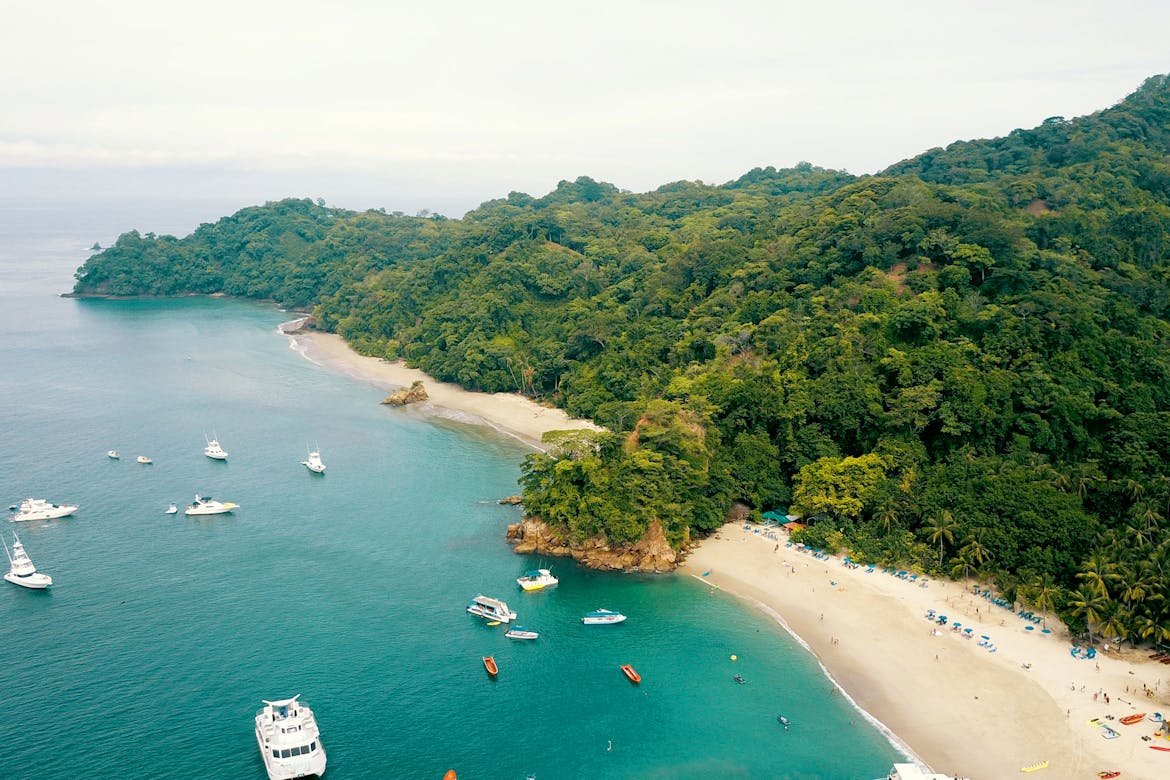

In a strategic move to harness the growing trend of remote work, Costa Rica has launched a Digital Nomad Visa priced under $100. This initiative allows digital professionals to legally live and work in the country for up to one year, with the option to extend. With lush rainforests, vibrant culture, and excellent infrastructure, Costa Rica is leveraging this bold policy to attract longer-term visitors who can contribute substantially to tourism and the local economy beyond traditional vacationers.
Extending Stays, Deepening Experiences
The Digital Nomad Visa opens new doors for professionals seeking to blend work with tropical living. Beyond being an attractive proposition for long-term coastal or cloud-office living, the visa invites nomads to immerse themselves in Costa Rica’s natural and cultural offerings – from rainforest excursions to local festivals, artisanal markets, and national parks. This shift encourages deeper exploration rather than short, superficial trips.
In practical terms, longer-term visitors drive demand across multiple sectors: extended hotel stays, co-working and coworking space subscriptions, local food markets, and domestic transport services. With fewer restrictions on length of stay, nomads contribute consistent revenue – especially during off-peak periods – smoothing seasonality and stabilizing local businesses such as souvenir shops, wellness retreats, and eco-lodges.
Authorities have structured the process to be straightforward yet secure: applicants must prove remote employment from abroad, show minimum income thresholds (typically $3,000 per month for individuals, $4,000 for families), provide health insurance, clean criminal records, and pass a Spanish translation certification for documents. The streamlined application fosters confidence for visitors while reinforcing the rule-of-law framework.
Economic Ripple Effects and Infrastructure Growth
Costa Rica stands to gain significantly from this influx of remote workers. Year-long visas translate into more consistent economic inflows – spanning housing rentals, utility usage, local services, and artisanal purchases. Tourism providers, urban neighborhoods, and rural communities all benefit as digital nomads settle in areas beyond traditional hotspots.
Recognizing this opportunity, sectors are adapting: real estate agents are offering furnished rentals, cafes and coworking spaces are extending monthly subscription plans, and travel operators are curating longer-term excursion packages tuned to digital nomad lifestyles. This ripple effect strengthens community-based tourism and encourages investment in high-speed internet, healthcare access, and sustainable urban services.
On a broader scale, welcoming remote professionals promotes cultural exchange, sparks entrepreneurial initiatives, and positions Costa Rica as a case study in balancing tourism growth with sustainable practice. As remote work becomes entrenched globally, this visa model may serve as a blueprint for other nations seeking to energize tourism while responsibly managing environmental and social impact.