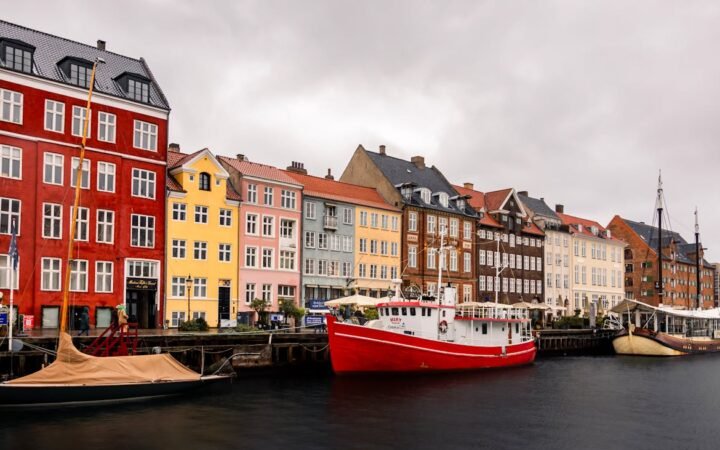
Copenhagen is redefining what responsible tourism can look like. With the launch of DestinationPay, unveiled at the European Tourism Forum, the Danish capital is inviting cities around the world to adopt its innovative approach to rewarding travelers for positive behavior.
The system expands on CopenPay, the award-winning program that lets visitors “earn” cultural experiences by contributing to the city’s wellbeing – whether by removing litter from canals, cycling instead of driving, or arriving at museums by bike. The message is simple: travelers don’t just observe a destination; they can actively improve it.
DestinationPay provides a framework that any city can tailor to its own cultural and environmental priorities. The model fits into a growing global movement where sustainability is more than a marketing buzzword. As the tourism sector heads toward 1.8 billion international arrivals by 2030, cities are searching for ways to balance visitor demand with long-term environmental stewardship. Copenhagen’s initiative aims to shift the conversation from consumption to contribution, inspiring travelers to see themselves as part of the communities they visit.
Interest in the program has been immediate and widespread. Since CopenPay’s initial rollout, more than 100 destinations have reached out to Wonderful Copenhagen to learn how to build their own versions. DestinationPay is the organization’s answer: an open invitation to co-create a new global travel culture where doing good is simply part of the journey.
Cities Already Following Copenhagen’s Lead
The program is already gaining momentum in Europe. Berlin will introduce its own version, BerlinPay, this summer. The city sees opportunities to encourage local engagement, promote greener transportation, and involve visitors more deeply in community-focused initiatives. Berlin’s tourism leaders emphasize that the strength of the model lies in its experiential approach – travelers see and feel the impact of their choices firsthand.
Normandy has also expressed strong interest. The region already operates a Low-Carbon Rate scheme that rewards visitors who travel by train, bus or bicycle, offering discounted entry to cultural sites. Inspired by Copenhagen’s approach, Normandy is now exploring how DestinationPay could boost behavioral change on a larger scale, particularly in reducing transportation emissions across the region. Their existing initiative began with the Juno Beach Museum, showing that even smaller attractions can influence traveler habits.
DestinationPay’s potential reaches far beyond Europe. As destinations across the world evaluate how to manage rising tourist numbers, the model offers a blueprint for fostering meaningful, sustainable engagement. Its framework is designed to scale – whether a city wants to incentivize cultural participation, environmental stewardship or community involvement.
For travelers, the new model signals a shift toward tourism that rewards both the visitor and the destination. It empowers people to contribute positively during their stay while gaining access to richer cultural experiences. With Copenhagen leading this global movement, DestinationPay marks a turning point in how cities imagine and shape the future of responsible travel.