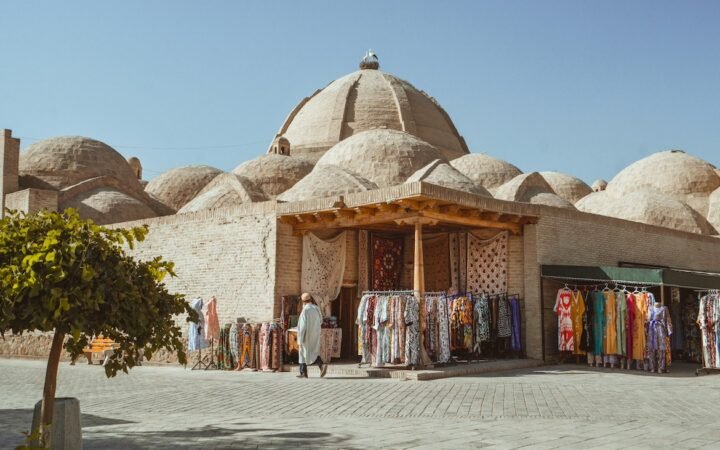
The world is rediscovering Central Asia. Once overlooked by mainstream tourism, countries like Kazakhstan, Kyrgyzstan, Tajikistan, Turkmenistan, and Uzbekistan are gaining attention due to new tourism partnerships, expanded itineraries, and revitalized infrastructure.
Recent trends in bookings have prompted tour operators to broaden their offerings, while Central Asian governments continue enhancing accessibility – making this region one of the most exciting travel frontiers of 2025.
Tour Operators Respond to Rising Demand
In response to soaring interest, especially from Australia and New Zealand, operators like Intrepid Travel and G Adventures have rolled out fresh small-group tours covering Mongolia and the “Stans.” Demand for Kazakhstan surged dramatically, prompting six new itineraries that offer immersive experiences like reindeer herder stays in Mongolia or treks through Kyrgyzstan’s Tien Shan Mountains. Travelers are drawn by the region’s authenticity, underdeveloped tourism infrastructure, and potent cultural allure.
These specialized itineraries include homestays, guesthouse accommodations, and intimate group sizes, catering to adventure seekers and those looking for regions still untouched by mass tourism. The surge underlines growing global appetite for lesser-known destinations and culturally rich, off-the-beaten-path experiences.
Governments Unite to Strengthen Tourism Infrastructure
Central Asian nations are taking coordinated steps to support tourism growth. Kazakhstan, Kyrgyzstan, Tajikistan, Turkmenistan, and Uzbekistan have streamlined visa policies and launched joint tourism promotions. Efforts include the development of 15 UNESCO Site-based cross-border routes that connect historic landmarks like Merv, Khiva, and Ayaz-Kala. These routes foster cultural exchange and deepen visitor experiences by tying together the region’s shared Silk Road legacy.
One notable initiative is the new tourist train linking cities across Kazakhstan and Uzbekistan – stopping at Samarkand, Bukhara, Tashkent, Almaty, and Turkistan -offering travelers a scenic and historical journey through Silk Road heritage. This train initiative has become a symbol of renewed regional integration and aims to amplify cultural diplomacy.
Meanwhile, other infrastructure improvements are underway: visitor maps accessible via QR codes at airports in Samarkand, free tourist SIM cards, digitized routes in maps, and experimental visa-free or e-visa programs for Chinese, Indian, and regional visitors. Joint projects like simplified customs, visa exemptions, and collaborative tourism branding enhance both convenience and appeal.
Cities themselves are stepping into the spotlight: Almaty has emerged as Central Asia’s “new capital of style,” attracting investment in cultural tourism, dining, and nightlife. Kyrgyzstan’s Cholpon-Ata is taking on the title of tourism and cultural capital under the Shanghai Cooperation Organisation banner, preparing for major events like the World Nomad Games.
The Emerging Central Asia Travel Story
Taken together, these developments illuminate Central Asia’s transition into a dynamic tourism destination – one built on narrative, not novelty. What was once seen as remote frontier has become meaningful travel territory for adventurers, cultural tourists, and history enthusiasts alike.
If you’re seeking new stories and experiences, keep an eye on Central Asia in 2025. With increased operator presence, heritage rail journeys, relaxed borders, and deep cultural immersion, the region presents a rare moment when travel can feel truly pioneering. The window to explore this Silk Road renaissance is wide open – serve it while it lasts.