France is in the grip of sweeping protests under the slogan “Block Everything”, as citizens respond sharply to proposed austerity measures, budget cuts, and political shifts under their new prime minister. The demonstrations, which escalated significantly on 10 September, have already disrupted transport networks, daily commutes, and traveler plans across the country.
The unrest comes shortly after President Emmanuel Macron appointed Sébastien Lecornu as prime minister following the collapse of the previous government. Many in the public view these changes with suspicion, concerned that the newest austerity proposals – such as slashing public holidays, freezing pensions, and cutting public service spending – will further strain working and middle-class lives.
The protests are loosely organized and cover a wide spectrum of grievances, reflecting broad discontent with how political decisions are being made and who is being held accountable.
Travel Disruptions and Public Transport Chaos
Transport services have borne the brunt of disruption during the protests. Authorities have reported blocked roads, altered or canceled train services, and major slowdowns in public transport in large cities. Commuters and travelers alike are struggling with unpredictable schedules, with many stations understaffed or surrounded by barricades and unrest.
Regional rail and metro services in cities like Paris are operating on reduced timetables in areas where protesters have targeted infrastructure. Train lines out of key hubs are interrupted or delayed, and highways into major urban centers are frequently clogged or blocked.
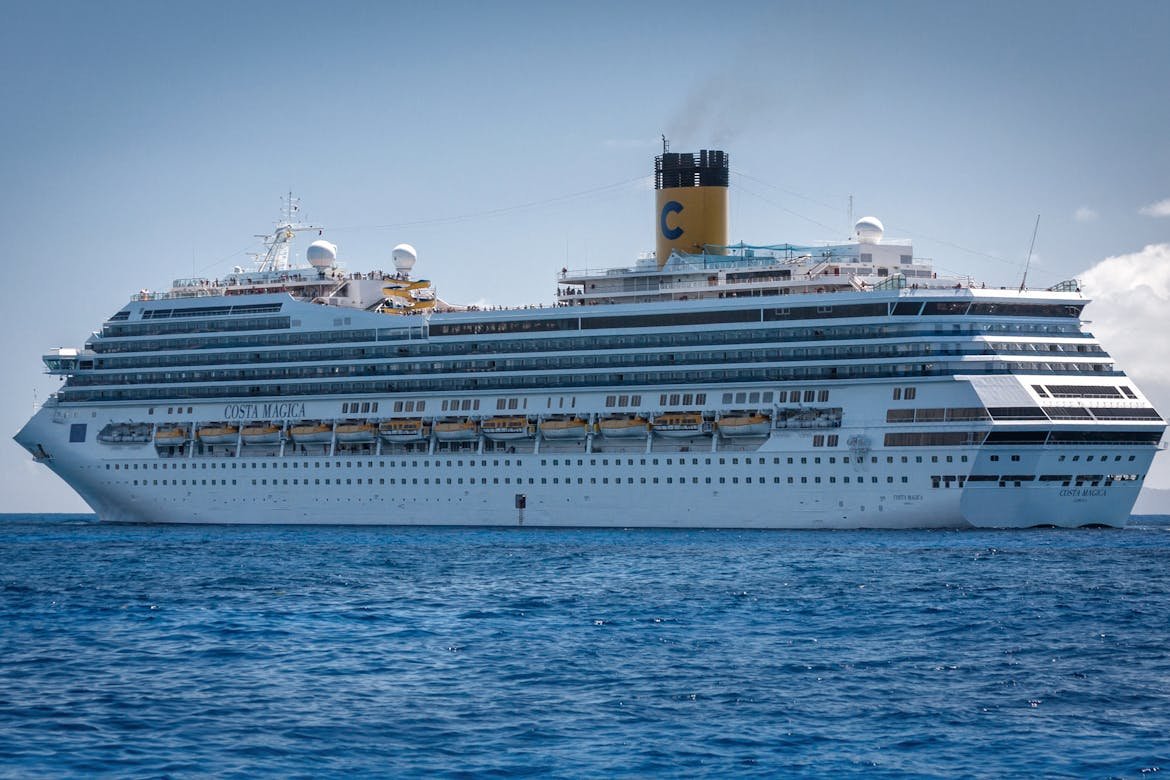
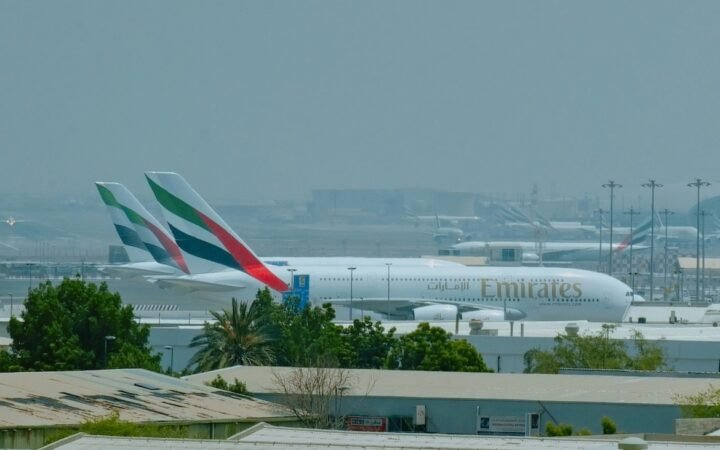
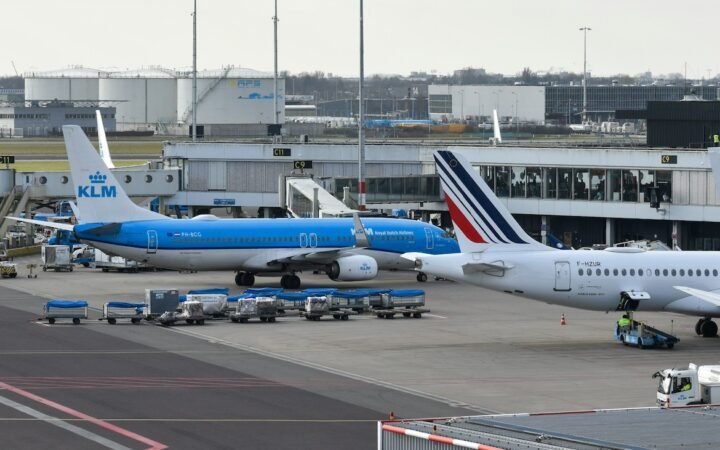
For travelers arriving in France or attempting to move between cities, confusion and delays have become almost inevitable. Airports and major train stations are seeing increased foot traffic as alternates are sought; local shuttle services and roads into tourist regions are congested; taxis and ride-shares face backlash and route restrictions. Some ferries or coastal transport options are also impacted where roads to ports are blocked or when fuel depots are under protest pressure.
Political Unease, Public Sentiment, and What’s Ahead
The protests are not just about transport – they are deeply political. The sentiment fueling them includes frustration with austerity, fear of cuts to essential services, and mistrust of what many see as a disconnection between the political elite and everyday reality. Many protesters include students, union members, and younger generations who feel their futures are under threat from both economic stagnation and perceived systemic inequality.
Public officials have responded with massive deployment of security forces. Tens of thousands of police and law enforcement agents have been sent across the country. Crackdowns on blockades and confrontations with demonstrators are frequent, and arrest numbers are high. Local governments are scrambling to balance maintaining order with respecting citizen right to protest, while ensuring that essential services remain functional.
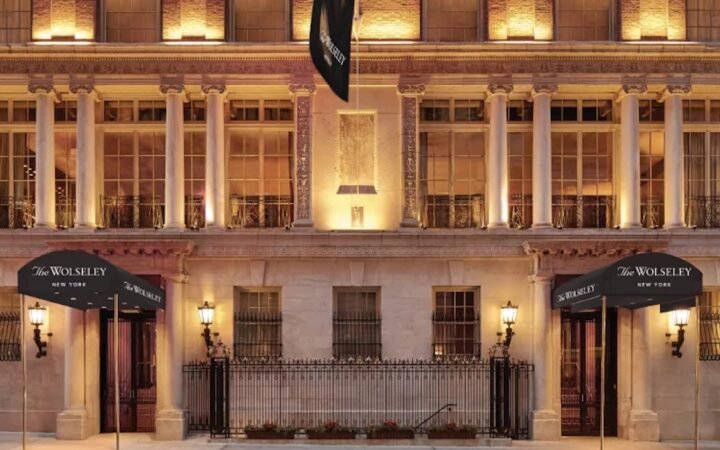
Travel advisories are being issued for those in transit. Visitors are being encouraged to monitor local transport updates, avoid areas known for blockades, and build buffer time into their plans in case of sudden closures or disruptions. Hotels in some cities are offering flexible check-in or cancellation policies, and some local tourist agencies are providing guidance on alternate routes and options when primary train or road connections are unavailable.
Overall, while the “Block Everything” movement falls short of paralyzing France completely, it highlights a severe moment of social strain. The country now faces a test: whether it can steer through budget pressures and political fragility without further eroding public trust or allowing infrastructure and travel to break down.