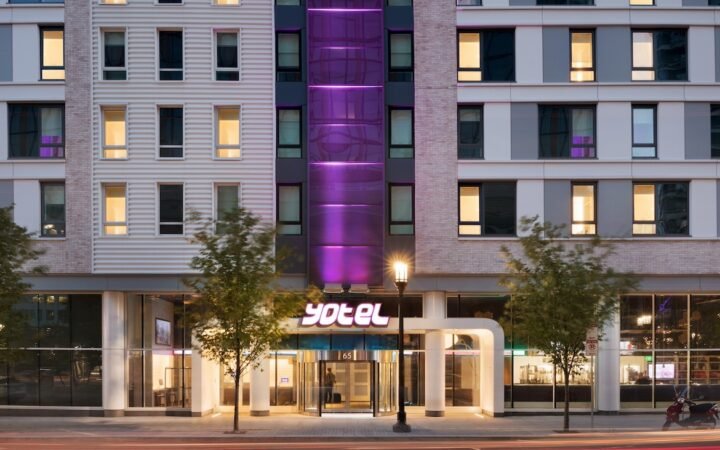

A relatively small neighborhood in Atlanta has taken the top spot in Niche’s 2026 Best Places to Live in America ranking, signaling a broader shift in how Americans evaluate quality of life. Atlantic Station, home to just over 3,000 residents, outperformed more established cities and suburbs, reflecting growing demand for compact, walkable communities that combine convenience with lifestyle appeal.
The annual ranking, now in its 12th year, analyzed more than 18,000 locations across the United States using a mix of public data and millions of resident reviews. Factors such as cost of living, school quality, job opportunities, safety, and community vibrancy were all considered. The results suggest that preferences are evolving away from traditional suburban models toward more integrated, mixed-use environments.
Rise of Walkable, Mixed-Use Communities
Atlantic Station’s appeal lies in its master-planned design, which allows residents to live, work, and socialize within a compact, pedestrian-friendly setting. The neighborhood features modern apartments, retail spaces, restaurants, and entertainment venues, all connected by walkable streets and green spaces. This “city within a city” concept has become increasingly attractive to both young professionals and families.
According to Niche data, top-ranked locations in 2026 tend to be smaller communities located within or near major metropolitan areas. These neighborhoods provide access to strong job markets while maintaining a sense of community that larger cities often lack. Many have populations under 15,000, reinforcing the idea that scale is becoming less important than livability.
This trend also reflects changing expectations around commuting and daily life. With remote and hybrid work models more common, proximity to offices is no longer the primary driver of where people choose to live. Instead, residents are prioritizing access to amenities, walkability, and a balanced lifestyle.
New Rankings Reflect Changing Priorities
Atlantic Station was followed by Colonial Village in Virginia, Evergreen Park in California, Downtown North in California, and Clarendon Hills in Illinois, rounding out the top five. Notably, seven new locations entered the top 10 this year, indicating significant movement in the rankings and highlighting how quickly preferences are shifting.
At the city level, Naperville, Illinois retained its position as the best city to live in the U.S. for the third consecutive year, supported by strong schools, employment opportunities, and overall livability. Meanwhile, states like California and Texas continue to dominate the rankings in terms of overall representation, while regions such as North Carolina, Florida, and Colorado are gaining ground due to population growth and economic expansion.
The data also shows that the traditional divide between communities for young professionals and those suited for families is narrowing. Many top-ranked areas now score highly across multiple categories, offering a mix of career opportunities, quality education, and lifestyle amenities in one location.
Ultimately, the 2026 rankings underscore a shift toward places that deliver both connectivity and community. As housing costs, work patterns, and lifestyle expectations continue to evolve, smaller, well-designed neighborhoods are emerging as some of the most desirable places to live in the United States.