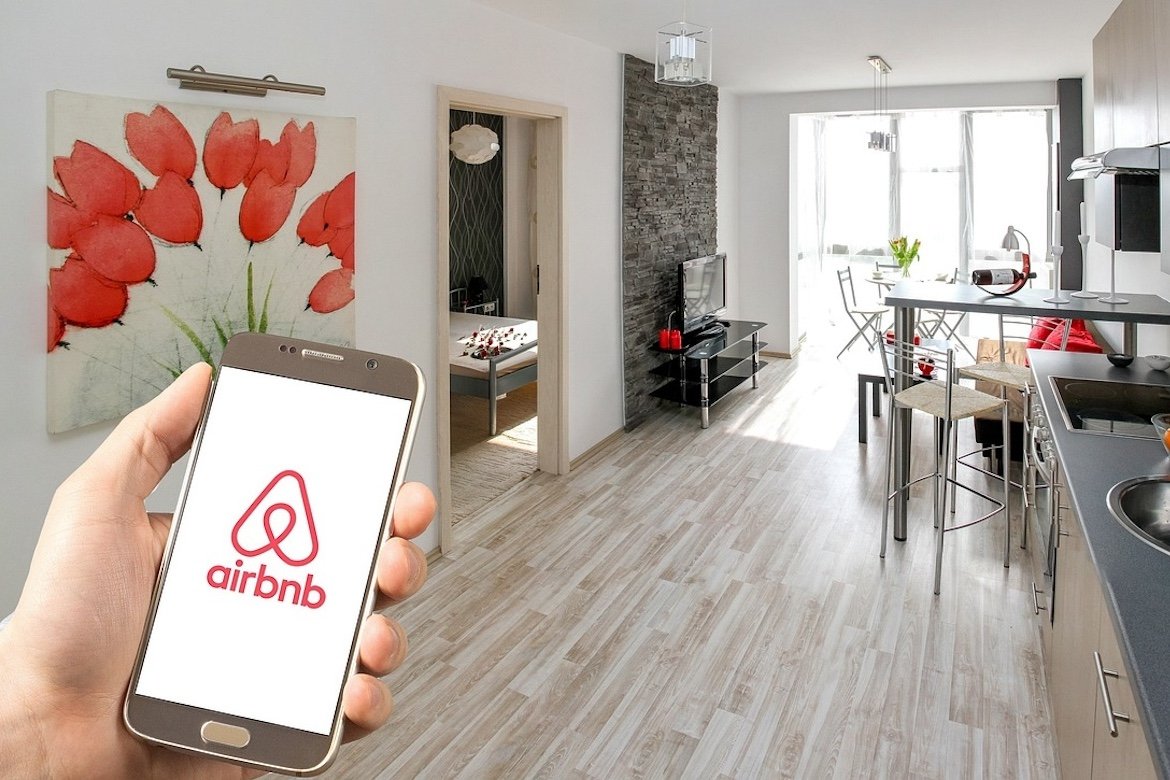

Brian Chesky acknowledges that Airbnb’s recent growth has been underwhelming. After strong revenue increases in earlier years, growth dropped significantly: modest rates earlier in 2025 prompted concern among investors and leadership alike. Chesky has stated that he’s “not happy” with the current pace and believes Airbnb should be growing much faster – ideally in the mid-teens, with longer term aspirations surpassing 20%.
To counteract the slowdown, Chesky is planning a multi-pronged strategy. First, he wants to strengthen the company’s core business: home rentals. That means filling demand, improving user experience, and expanding inventory. Second, he aims to build up other pillars: boutique hotels, flexible service offerings, and upgraded app interfaces. These new vectors are seen as essential to restoring robust growth.
Hotels, App Interface & Services: Where Airbnb Is Pivoting
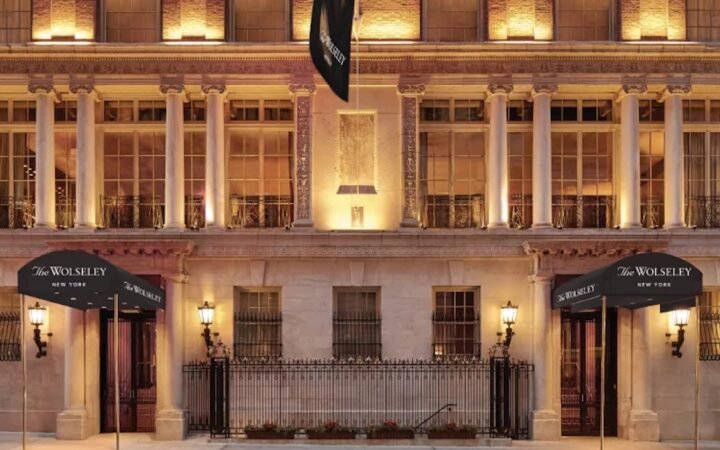
One of the visible changes is the addition of a hotel interface in the Airbnb app. This complements Airbnb’s traditional focus on home rentals by allowing users to browse boutique hotels alongside short-term homes. The idea is to make Airbnb more versatile – whether someone prefers a hotel or a quirky home, the choice becomes seamless. This hotel interface also helps attract new types of customers who may have previously looked to traditional hotel booking platforms.
In addition, Airbnb is investing in service expansion – things like private chefs, wellness, experiences, and specialised offerings that go beyond just a place to stay. Chesky believes that these services can become large revenue streams in their own right.
Underpinning this is a shift toward better technology: more AI, better interface design, and user-friendly features. These upgrades are intended to reduce friction in booking, improve trust and quality, and make the app feel more like a central hub for everything travel.
Industry Context and Cross-References
These ambitions come with risks. Maintaining quality while expanding into hotels and services is non-trivial. Boutique hotels and service providers are harder to standardise, which can strain operational oversight. The price point also shifts: higher expectations from guests mean that service failures are less tolerated. Performance, cleanliness, and design must meet not just baseline but elevated guest expectations.
Airbnb’s moves also fit into a wider industry trend where major online travel players are diversifying and repositioning themselves. In our article on the evolving U.S. travel market, we explored how Booking, Expedia, and Airbnb are competing in new ways between 2025 and 2033. Chesky’s renewed push into hotels and services is a clear example of that shift.
At the same time, Airbnb’s emphasis on experiences echoes its recent culinary partnerships. Our piece about Airbnb’s new Chef’s Table experiences shows how the platform is testing premium, niche offerings to complement its accommodation base. These combined efforts illustrate a broader push to build an ecosystem rather than a single-product company.
Finally, users will be watching what this means for their experience. The hotel interface, if done right, could offer more options. If mismanaged, it could lead to confusion or diluted brand identity. Services beyond accommodation must show real value; otherwise they risk being seen as gimmicks rather than meaningful improvements.
Overall, Chesky’s plan reflects a company at a crossroads. It’s not enough to rest on past success. To move forward, Airbnb needs execution in multiple areas – hotels, services, app design – and it needs to restore growth while retaining what made it unique. For travellers, this could mean more variety and better tools; for Airbnb, it may define its next chapter.