Booking Holdings reports strong 2025 results, with multi-vertical “connected trip” bookings surging and AI driving efficiency gains.
By Yuliya Karotkaya
Published:
Booking Holdings advances its connected trip strategy, integrating flights, hotels and AI-powered services across its global platforms. Photo: Jas Rolyn / Booking
Booking Holdings delivered strong fourth-quarter and full-year 2025 results, underscoring momentum behind its long-term “connected trip” strategy. The company, which owns Booking.com, Priceline, Agoda, Kayak and OpenTable, is increasingly seeing customers book multiple travel components – such as flights, hotels and car rentals – within a single transaction.
In 2025, these multi-vertical bookings grew in the high 20% range year over year, according to CEO Glenn Fogel. While they still represent a low double-digit percentage of Booking.com’s total transactions, the trend signals structural progress toward the company’s vision of becoming a fully integrated travel platform rather than a single-product booking site.
Flights have become a key driver of that evolution. Gross flight bookings reached $16.8 billion in 2025, up 37% year over year. Fogel described flights as a top-of-funnel product that attracts new customers while encouraging existing users to plan more of their trip within the Booking ecosystem.
Partnerships, including a long-term extension with Etraveli for flight technology and content, support this expansion, even as regulatory scrutiny around the previously blocked acquisition continues in Europe.
Regional Momentum and Financial Strength
Geographically, Booking Holdings reported continued growth in Asia and the United States. Both regions delivered low double-digit increases in bookings, while Europe and the rest of the world posted high single-digit growth. Executives cited targeted investments in the U.S., B2B expansion and sustained travel demand across Asia as key contributors.
Financially, the company reported $6.3 billion in fourth-quarter revenue, up 16% year over year, with net income rising 34% to $1.4 billion. Adjusted EBITDA reached $2.2 billion in Q4, reflecting a 19% increase. For full-year 2025, revenue totaled $26.9 billion, up 13%, while gross bookings climbed 12% to $186.1 billion. Room nights reached 1.2 billion, an 8% increase from 2024.
Marketing spend rose to $8.2 billion for the year, reflecting continued competition for demand. However, executives emphasized that savings from the company’s Transformation Program, launched in 2024, will support reinvestment in growth initiatives throughout 2026.
The Genius loyalty program remains a core competitive advantage. Higher-tier Genius members now represent over 30% of the active customer base and account for more than half of room bookings, demonstrating strong engagement and repeat behavior.
AI Integration and the Path Forward
Artificial intelligence is increasingly embedded across Booking’s operations. The company has expanded collaborations with OpenAI, Google, Amazon and Microsoft to strengthen both customer-facing and internal capabilities. In 2025, generative AI tools contributed to improved conversion rates and lower cancellation levels.
Executives also highlighted year-over-year reductions in customer service costs, even as bookings and revenue grew at double-digit rates. AI-driven automation within support functions has improved efficiency, and the company plans to deepen integration of “agentic” capabilities in 2026 to deliver more personalized, unified trip planning experiences.
At the same time, Booking faces regulatory pressure in Europe, where digital market rules have altered pricing parity structures and introduced additional compliance complexity. The broader industry also faces the emerging challenge of AI-powered search tools that could redirect demand away from traditional online travel agencies.
Despite those headwinds, Booking Holdings remains one of the most profitable players in global travel. Its shift toward a merchant-led model, combined with connected trip bundling and AI-driven efficiency, positions the company to capture a larger share of wallet as travelers increasingly look to plan entire journeys within a single digital ecosystem.
ASTA invites advisors to self-nominate for its 2026 Travel Advisor of the Year Award, recognizing creative and exceptional client service.
By Yuliya Karotkaya
Published:
Updated:
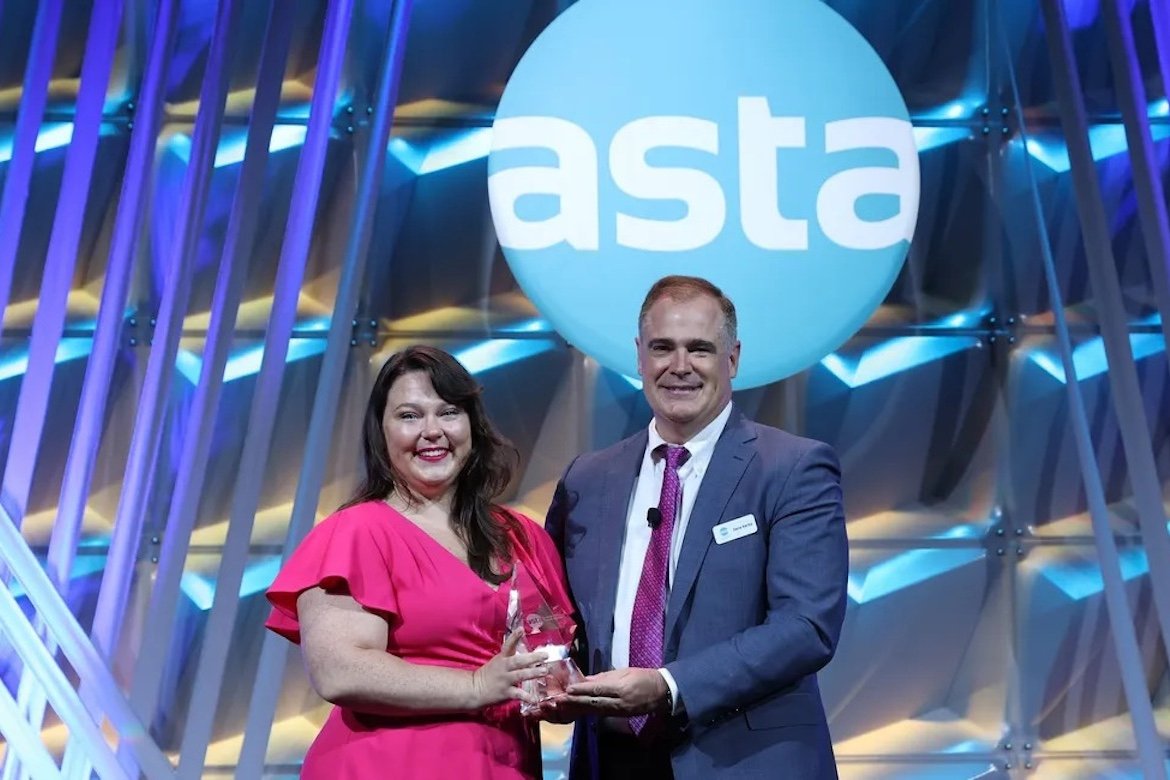
ASTA opens nominations for its 2026 Travel Advisor of the Year Award, spotlighting exceptional and creative client service. Photo: ASTA
The American Society of Travel Advisors (ASTA) has officially opened self-nominations for the 2026 ASTA Travel Advisor of the Year Award, giving advisors the opportunity to put their own achievements forward for industry recognition. Nominations are open now through March 31.
Sponsored by Berkshire Hathaway Travel Protection, the award is presented annually to an ASTA member who has delivered exceptional service in a new or creative way during the past year. Rather than focusing solely on sales performance or business growth, the recognition highlights advisors who went above and beyond for their clients, demonstrating innovation, dedication and measurable impact.
According to ASTA, the Travel Advisor of the Year Award serves as a way to honor the often unseen stories that shape the profession. From word-of-mouth recommendations to heartfelt thank-you notes, the organization says the award recognizes the meaningful efforts advisors make behind the scenes to ensure memorable travel experiences.
Advisors who believe they have provided what ASTA describes as “out-of-this-world service” are encouraged to nominate themselves. The application process requires submitting the advisor’s name, agency affiliation and contact information, along with a written explanation of up to 1,000 words outlining why they deserve the award. Applicants are expected to detail specific examples of creative solutions, exceptional client care or unique approaches that set their service apart over the past year.
The winner, along with two runners-up, will be announced at the 2026 ASTA Travel Advisor Conference, scheduled to take place May 27–29 in San Diego. The conference serves as one of the association’s flagship events, bringing together travel advisors, suppliers and industry leaders for education, networking and celebration of professional excellence.
Recognition from ASTA can provide advisors with increased visibility, enhanced credibility and validation within the broader travel community. As competition intensifies and travelers continue to seek highly personalized expertise, awards such as this underscore the value of professional guidance in an increasingly complex travel landscape.
The announcement follows ASTA’s continued efforts to elevate the advisor profession and spotlight standout contributors. Last year, the organization revealed its finalists ahead of the first-ever ASTA Globes ceremony.
With the March 31 deadline approaching, advisors who have made a meaningful difference for their clients in the past year now have the opportunity to share their story and compete for one of the industry’s most respected honors.
IHG unveils Noted Collection, a premium soft brand targeting upscale independent hotels with curated experiences and global distribution power.
By Yuliya Karotkaya
Published:
Updated:
IHG expands its premium portfolio with the launch of Noted Collection, a soft brand for distinctive upscale independent hotels. Photo: IHG
IHG Hotels & Resorts has introduced Noted Collection, a new premium soft brand aimed at attracting upscale and upper-upscale independent hotels into its global system. The launch marks IHG’s 21st brand and the 11th new brand introduced by the company in the past decade, underscoring its aggressive expansion across multiple segments.
Designed primarily for conversions, Noted Collection targets high-quality, one-of-a-kind properties that want to retain their identity while benefiting from IHG’s scale. The company estimates that roughly 2.3 million independent rooms worldwide in the upscale and upper-upscale categories could potentially benefit from joining a larger distribution and loyalty ecosystem. Initial discussions are already underway with multiple hotel owners, including operators with multi-property portfolios, as IHG begins its rollout in Europe, the Middle East, Asia and Africa.
For guests, the brand promises a curated experience rooted in individuality. Each Noted Collection hotel must meet three hallmarks: distinctive design and character; carefully edited guest experiences featuring signature food, beverage and cultural moments; and a warm, conversational service style. IHG describes these properties as “one-of-one” hotels – ranging from heritage icons to contemporary urban standouts – where storytelling, thoughtful details and locally inspired programming shape the stay.
Balancing Independence with Global Scale
Soft brands have become a key battleground among major hotel groups, offering independent owners access to global platforms without sacrificing autonomy. Noted Collection follows this model, allowing hotels to keep their names and personality while plugging into IHG’s enterprise infrastructure.
Participating properties gain access to IHG’s revenue management systems, technology platforms and global distribution network, along with IHG One Rewards, which counts more than 160 million members worldwide. For owners, this provides immediate visibility and potential performance uplift, particularly in competitive urban and resort destinations.
IHG positions Noted Collection within its Premium tier, alongside brands such as Crowne Plaza, voco and Ruby, while complementing its Luxury and Lifestyle portfolio, including Vignette Collection and Hotel Indigo. CEO Elie Maalouf said the brand builds on the success of IHG’s recent conversion-focused growth and responds to strong demand from owners seeking both flexibility and scale.
The company expects Noted Collection to surpass 150 properties globally within the next decade, signaling confidence in conversion-led expansion. As competition intensifies among hotel giants – Hilton, Hyatt and Marriott have all recently launched new collection-style brands – IHG is reinforcing its presence in the premium segment.
A Broader Strategy for Premium Growth
The launch of Noted Collection reflects IHG’s broader strategy to strengthen its premium portfolio while diversifying beyond traditional standardized brands. The emphasis on curated experiences, signature rituals and “conversation-starting” hospitality aligns with shifting traveler expectations, particularly among guests seeking distinctive stays without sacrificing reliability.
At the same time, the brand strengthens IHG’s ability to capture independent supply in key markets. By combining storytelling and individuality with the operational backbone of a global group, IHG aims to offer owners a pathway to stronger commercial performance while preserving authenticity.
As global travel demand remains resilient, the premium segment continues to draw both leisure and business travelers looking for experiential yet dependable options. With Noted Collection, IHG is positioning itself to compete more directly in the increasingly crowded soft-brand space – leveraging loyalty, scale and technology to attract the next generation of independent hotel partners.
Airbnb rolls out its Reserve Now, Pay Later feature globally, allowing guests to secure eligible stays without paying at booking.
By Yuliya Karotkaya
Published:
Updated:
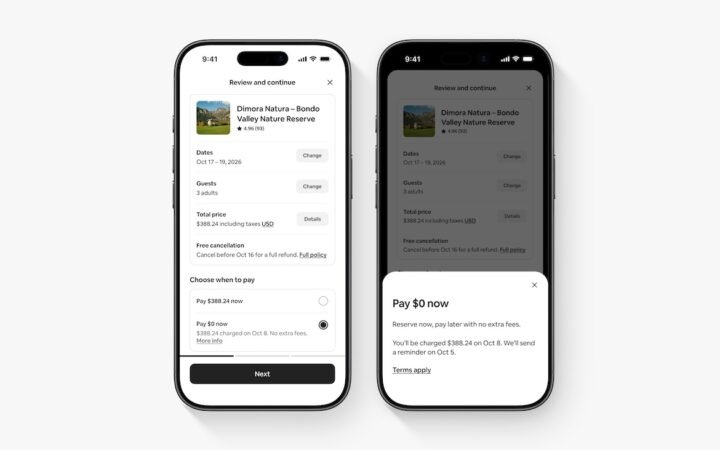
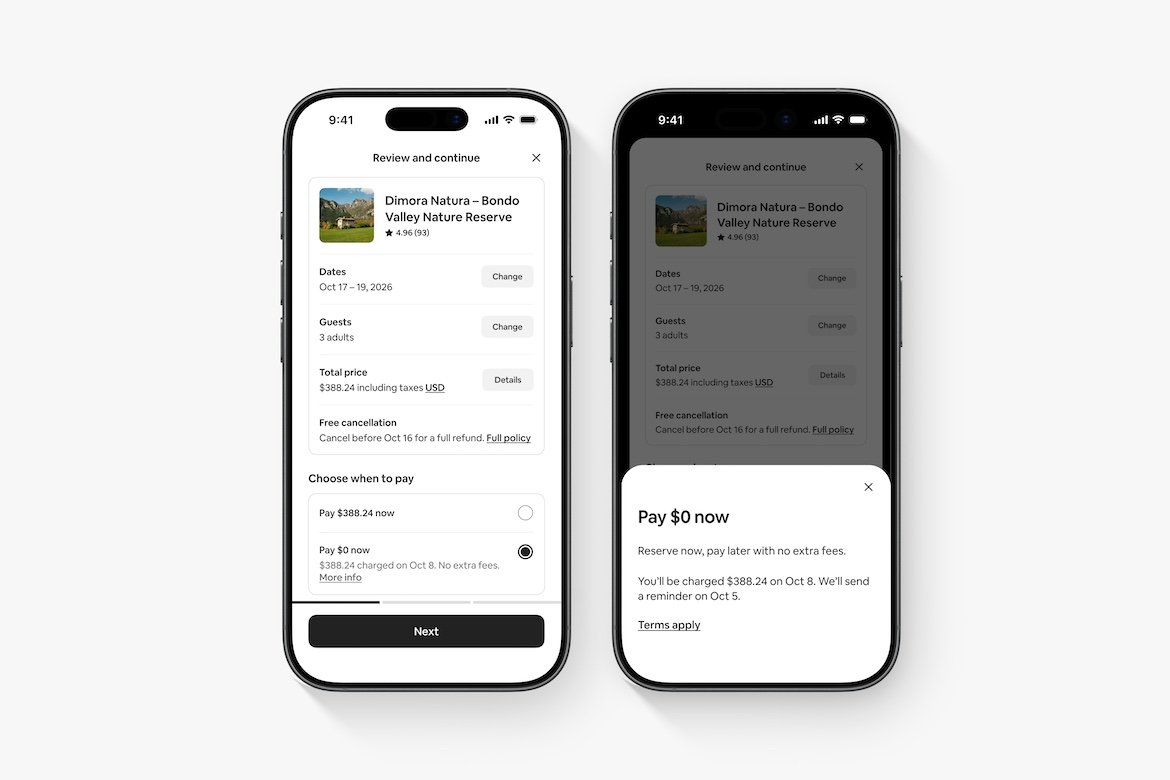
Airbnb expands its Reserve Now, Pay Later feature globally, allowing guests to book eligible stays without upfront payment. Photo: Airbnb
Airbnb has expanded its Reserve Now, Pay Later feature to guests worldwide, allowing travelers to secure eligible stays without making an upfront payment at the time of booking. The option, first introduced in the United States last summer for domestic trips, is now available globally for both domestic and international reservations on listings with moderate or flexible cancellation policies.
The move reflects growing demand for flexible payment options in travel. According to Airbnb, more than 70 percent of eligible bookings in the fourth quarter of 2025 adopted the Reserve Now, Pay Later feature during its U.S. pilot phase. The company said the option contributed to an acceleration in nights and experiences booked compared with the previous quarter, suggesting that payment flexibility can directly influence booking behavior.
Survey data cited by Airbnb underscores that trend. In research conducted with Focaldata among U.S. travelers, 60 percent of respondents said flexible payment options are important when booking a holiday.
More than half reported using such options when available, and one in ten said they always choose flexible payments. Notably, 42 percent said they had delayed or even missed out on preferred accommodations because of the time spent coordinating payments with travel companions.
Flexible Payments as a Competitive Strategy
By removing the requirement for immediate payment, Airbnb is positioning the feature as a way to reduce friction during the planning phase. Travelers can lock in availability early, particularly for high-demand periods such as major global events, international city breaks and peak summer travel, without committing funds upfront.
The eligibility requirement that listings carry moderate or flexible cancellation policies helps balance risk for both guests and hosts. Properties with strict cancellation terms are not included, limiting exposure in the event of cancellations while preserving host control.
Reserve Now, Pay Later complements Airbnb’s broader payment ecosystem, which includes Pay Part Now, Part Later and Pay Over Time options offered through Klarna. Together, these features place Airbnb in more direct competition with hotels and online travel agencies that have long offered deferred payment models.
Financial Strength and Market Position
The global rollout comes as Airbnb maintains a strong financial position. The company operates more than eight million active listings and connects travelers with over five million hosts worldwide. Revenue growth and profitability remain solid, supported by high gross margins and a relatively low debt-to-equity ratio.
Airbnb’s Altman Z-Score, a measure of financial health, indicates stability, and institutional ownership levels reflect continued investor confidence. While analysts note some recent insider selling activity, overall sentiment remains moderately positive, with expectations that strategic initiatives such as payment flexibility and international expansion will support future growth.
By extending Reserve Now, Pay Later to international markets, Airbnb is reinforcing its focus on reducing booking barriers and encouraging earlier trip planning. In a competitive travel environment where flexibility increasingly drives consumer choice, the ability to reserve accommodation without immediate payment could become a decisive advantage.
Universal Orlando Resort introduces a new multiday vacation package featuring up to seven days of park-to-park access and hotel dining credits.
By Yuliya Karotkaya
Published:
Updated:
Universal Orlando unveils a new weeklong vacation package with six- and seven-day park tickets and hotel dining credits across all four theme parks. Photo: Universal Orlando
Universal Orlando Resort is reinforcing its position as a weeklong destination with the launch of a new vacation package offering six or seven days of park-to-park access across all four of its theme parks. The move builds on the momentum generated by the opening of Universal Epic Universe, which significantly expanded the resort’s footprint and shifted guest behavior toward longer stays.
The new package allows U.S. residents to purchase six- or seven-day park-to-park tickets valid at Universal Studios Florida, Universal Islands of Adventure, Universal Volcano Bay and Universal Epic Universe. For a limited time, guests can secure a six- or seven-day ticket for the price of a five-day pass, effectively adding extra days without additional ticket cost.
Universal has increasingly positioned its Orlando complex as a destination where travelers can spend a full week rather than just a long weekend. Travel advisors have reported a noticeable uptick in longer bookings since Epic Universe opened, signaling that visitors are responding to the broader mix of attractions and entertainment options now available.
The multiday ticket can be bundled with a hotel promotion that includes a $300 dining credit for guests staying five nights or longer at select on-site properties. Participating hotels include Universal Cabana Bay Beach Resort, Universal Aventura Hotel, Universal Stella Nova Resort and Universal Terra Luna Resort. When combining tickets and accommodations under the new package, guests can save between $75 and $200, depending on the length of stay.
The booking window for the offer runs through May 6, with travel dates available from April 12 through September 3. The timing captures both peak summer demand and shoulder-season travel, positioning the package as an attractive option for families planning extended vacations.
Universal’s strategy reflects broader competition within the Orlando theme park market, where resorts increasingly aim to secure longer guest stays and higher on-property spending. By offering extended access at a discounted rate and pairing it with dining credits, Universal is encouraging visitors to immerse themselves in the full resort experience rather than splitting time with off-site activities.
The expansion also comes amid continued development at Universal Orlando, including recently announced entertainment and dining additions at Universal CityWalk. Together, these investments reinforce the company’s push to evolve beyond a multi-day park visit into a comprehensive, weeklong resort destination.
Tripadvisor’s 2026 Travelers’ Choice Awards name Isla Pasion in Mexico the best beach in the world, highlighting standout coastal destinations across five continents.
By Yuliya Karotkaya
Published:
Updated:
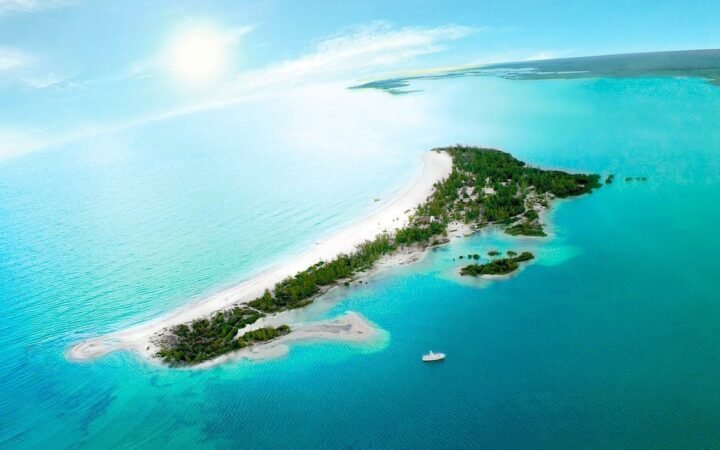
Isla Pasion in Cozumel, Mexico, ranked the No. 1 beach in the world in Tripadvisor’s 2026 Travelers’ Choice Awards. Photo: Tripadvisor
After highlighting expert selections in our previous guide, The Most Beautiful Beaches in the World 2025, the latest rankings now shift from editorial opinion to traveler-driven data.
Tripadvisor has announced its 2026 Travelers’ Choice Awards: Best of the Best Beaches, based on millions of traveler reviews collected over the past year.
The annual ranking highlights the coastal destinations that consistently deliver exceptional experiences, from crystal-clear snorkeling waters to dramatic cliff-backed shorelines. This year’s global list spans North America, Europe, Asia, Australia and Africa.
This year’s list spans five continents, with Mexico claiming the top global position and Greece placing two beaches in the top three.
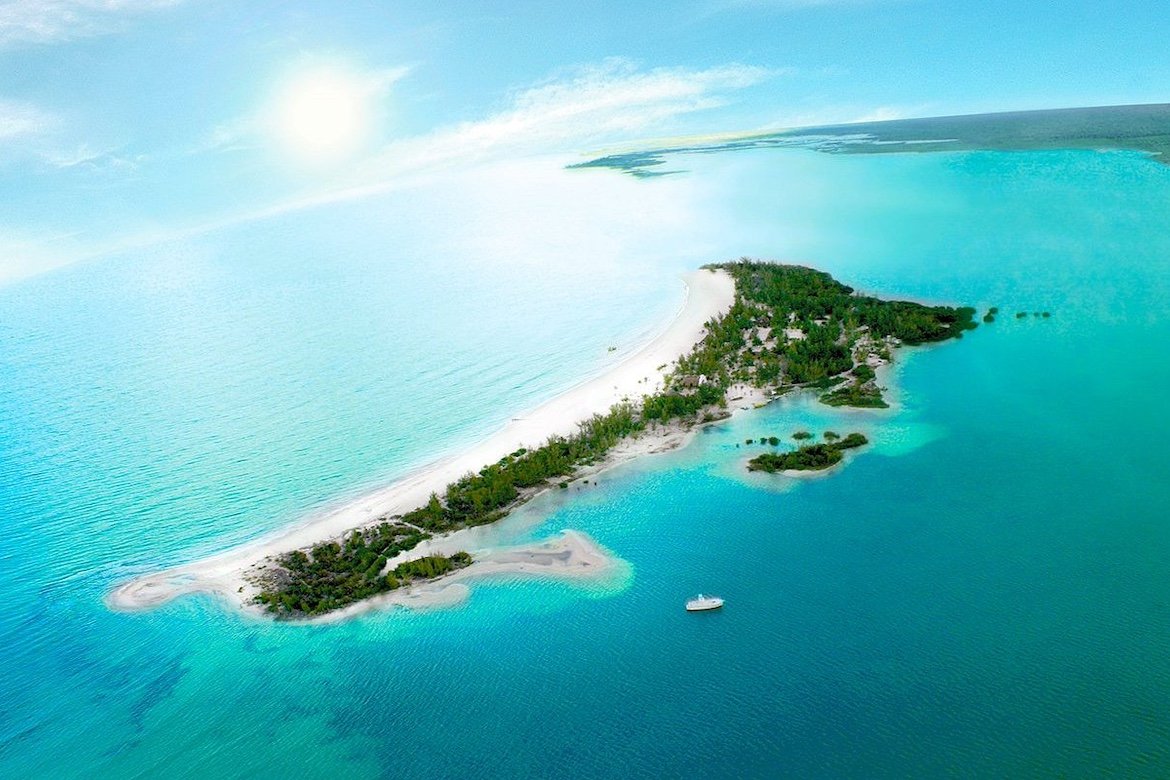
1. Isla Pasion – Cozumel, Mexico
Photo: Tripadvisor
Isla Pasion takes the No. 1 spot worldwide, recognized for its crystal-clear Caribbean waters and protected coral reefs. Located off Cozumel, the beach functions as an exclusive day-trip destination with strong snorkeling appeal and abundant marine life.
Travelers particularly praise its calm atmosphere and well-preserved ecosystem, including sea turtle nesting areas. The most favorable conditions are typically between November and April.
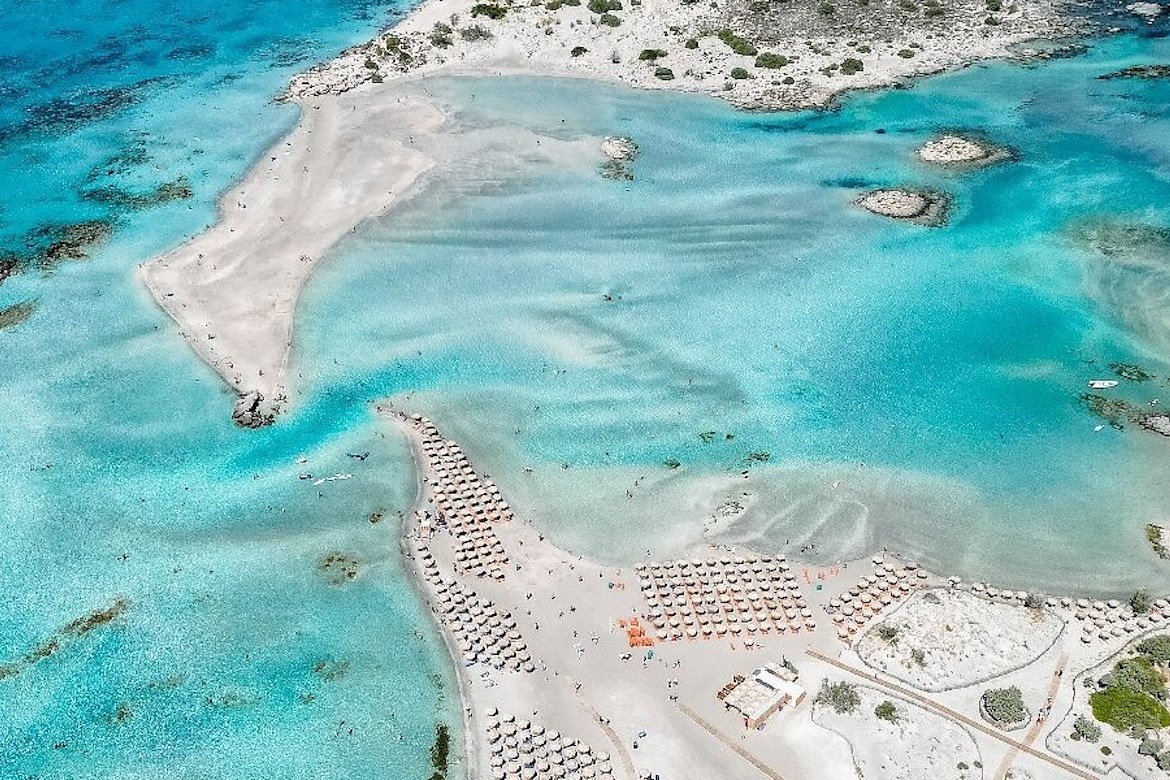
2. Elafonissi Beach – Crete, Greece
Photo: Tripadvisor
Second place goes to Elafonissi Beach, famous for its pink-tinged sand created by crushed shells. Shallow lagoons and warm waters make it accessible for families, while its protected status helps preserve the natural environment. The beach is especially popular in late spring and early fall, when crowds are thinner but weather remains ideal.
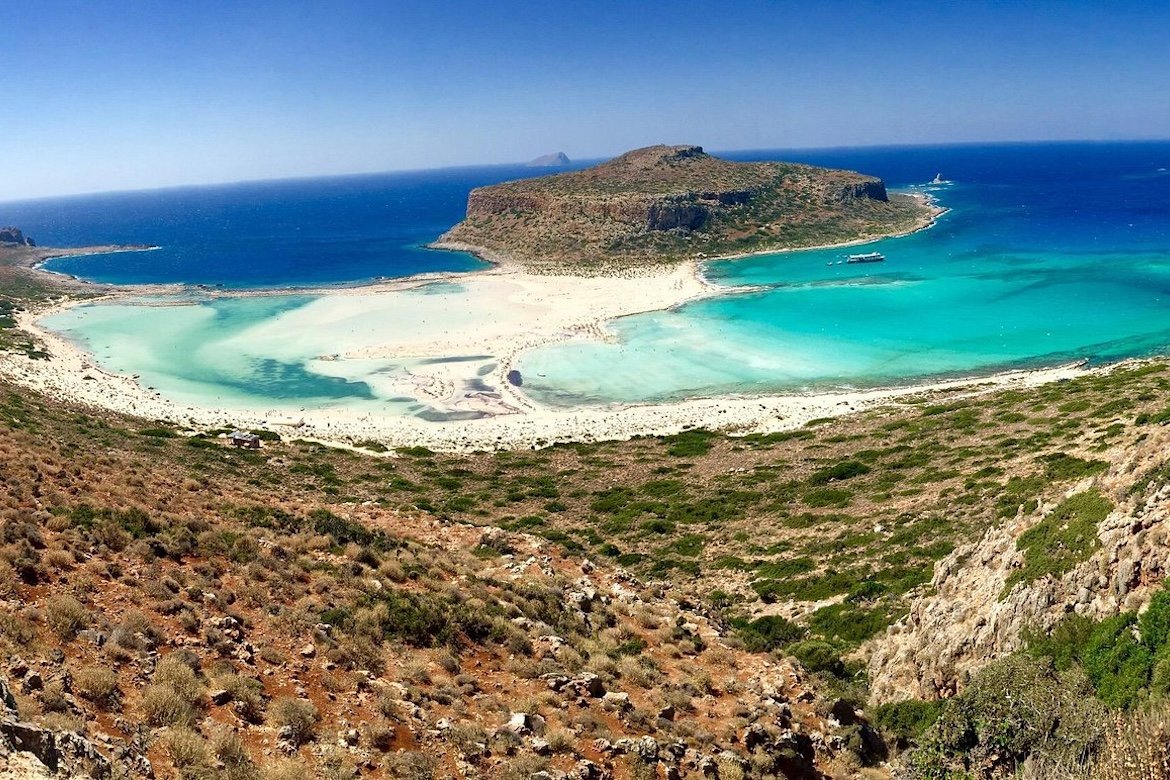
3. Balos Lagoon – Kissamos, Greece
Photo: Tripadvisor
Balos Lagoon ranks third, drawing visitors with its luminous turquoise waters and sweeping panoramic views. As a protected Natura 2000 site, it combines ecological significance with visual drama. Its layered sandbars and shallow waters create a distinctive Mediterranean setting best enjoyed in spring or early autumn.
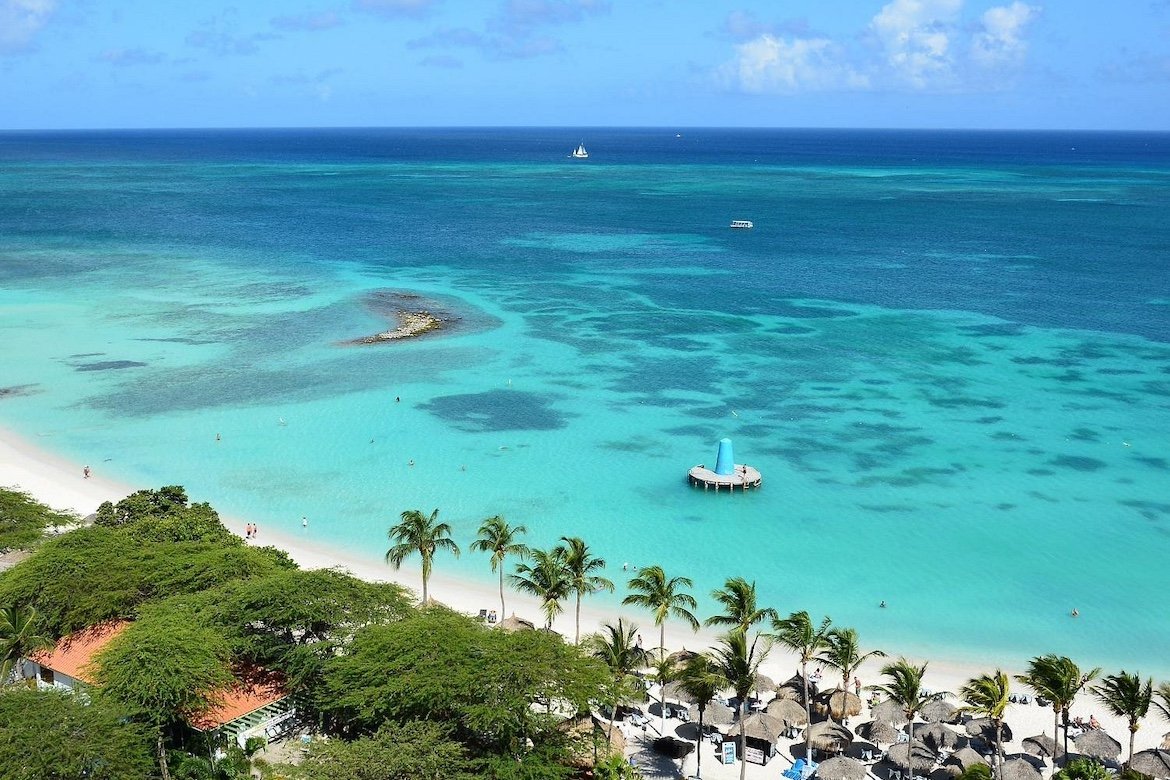
4. Eagle Beach – Aruba
Photo: Tripadvisor
Eagle Beach stands out for its wide expanse of soft white sand and consistent sunshine. Known for its iconic wind-shaped trees and sea turtle nesting grounds, it blends postcard scenery with wildlife conservation. The period from April to August offers warm weather and slightly fewer visitors.
5. Praia da Falesia – Algarve, Portugal
Photo: Tripadvisor
Praia da Falesia is defined by towering red and ochre cliffs that contrast with deep blue Atlantic waters. Long coastal walks along the cliff tops provide sweeping views. The beach remains a favorite from April through October.
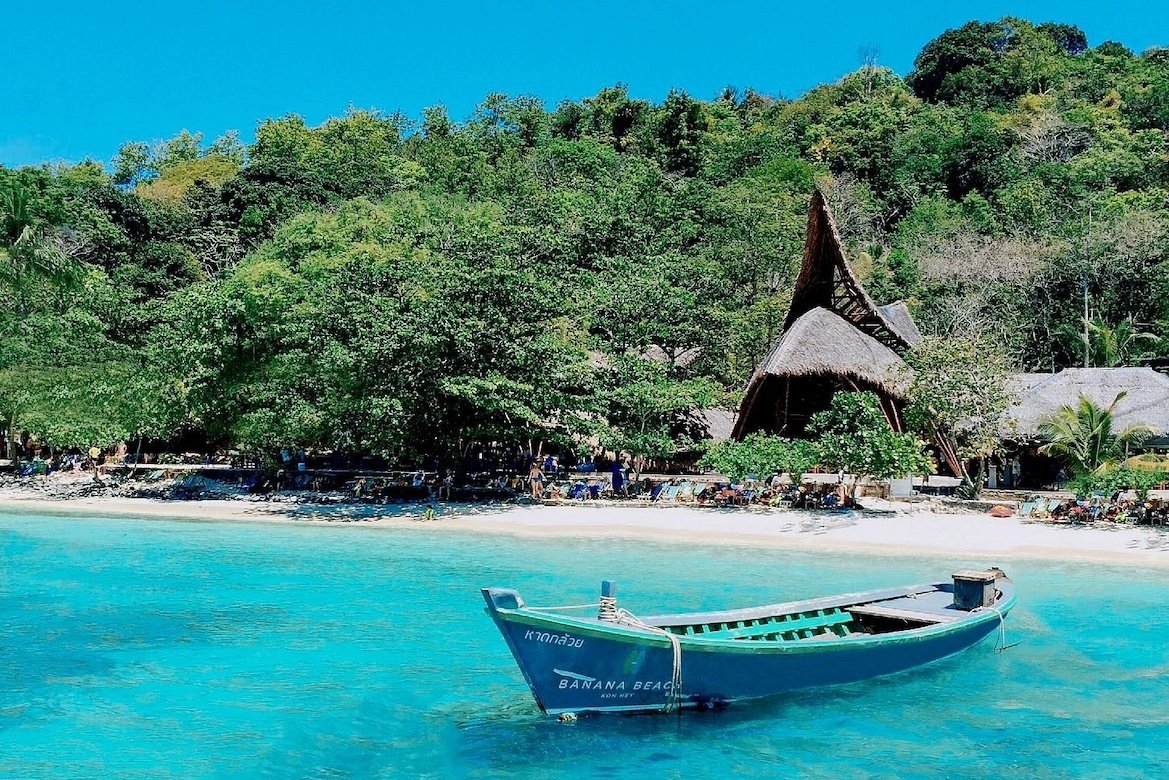
6. Banana Beach – Ko He, Thailand
Photo: Tripadvisor
Banana Beach attracts divers and snorkelers with its vibrant coral reefs and clear tropical waters. Located near Phuket, it is part of a region known for marine biodiversity. The dry season from November to March offers optimal visibility.
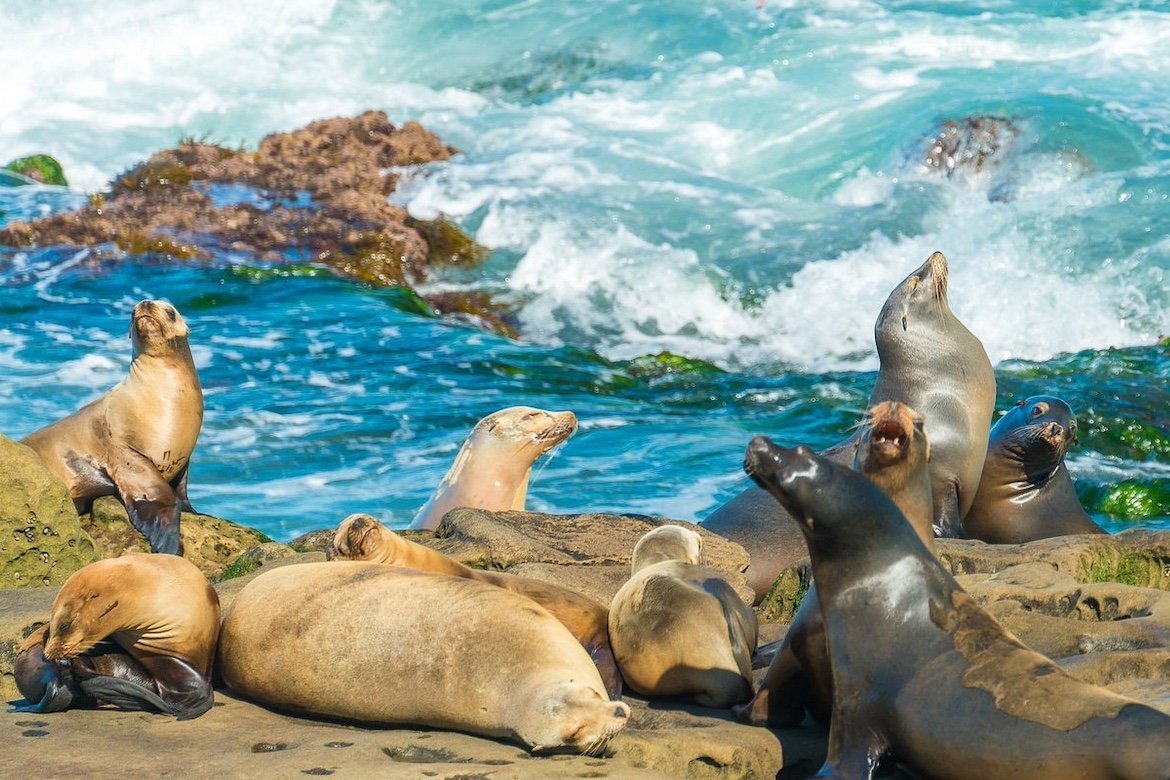
7. La Jolla Cove – California, United States
Photo: Tripadvisor
Seventh globally and first in the US, La Jolla Cove is a protected marine reserve celebrated for its sea lion colonies and underwater park. Year-round wildlife viewing and kayaking opportunities contribute to its high ranking. Spring and fall provide the most comfortable conditions.
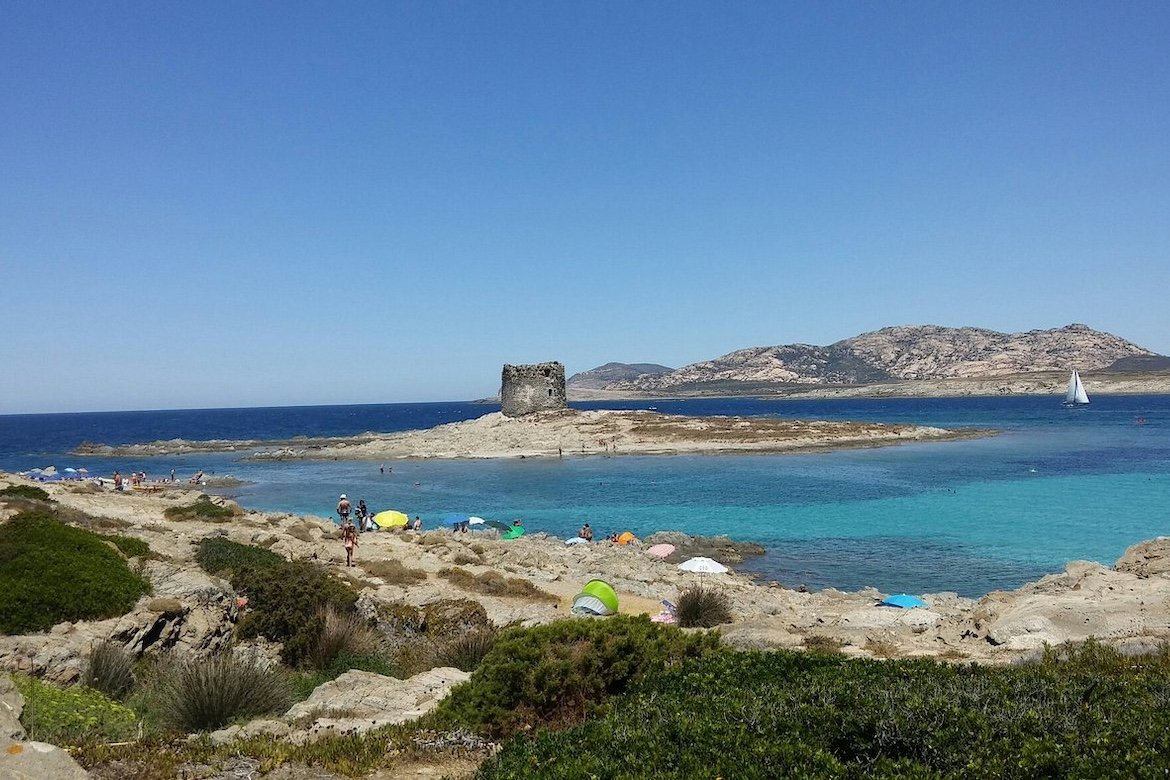
8. La Pelosa Beach – Sardinia, Italy
Photo: Tripadvisor
La Pelosa Beach features shallow turquoise waters and views of a historic 16th-century watchtower. Often compared to Caribbean destinations, it is most popular during the summer months.
9. Manly Beach – Sydney, Australia
Photo: Tripadvisor
Manly Beach represents classic Australian surf culture, with a lively promenade and reliable waves. Easily reached from central Sydney, it balances urban energy with coastal relaxation.
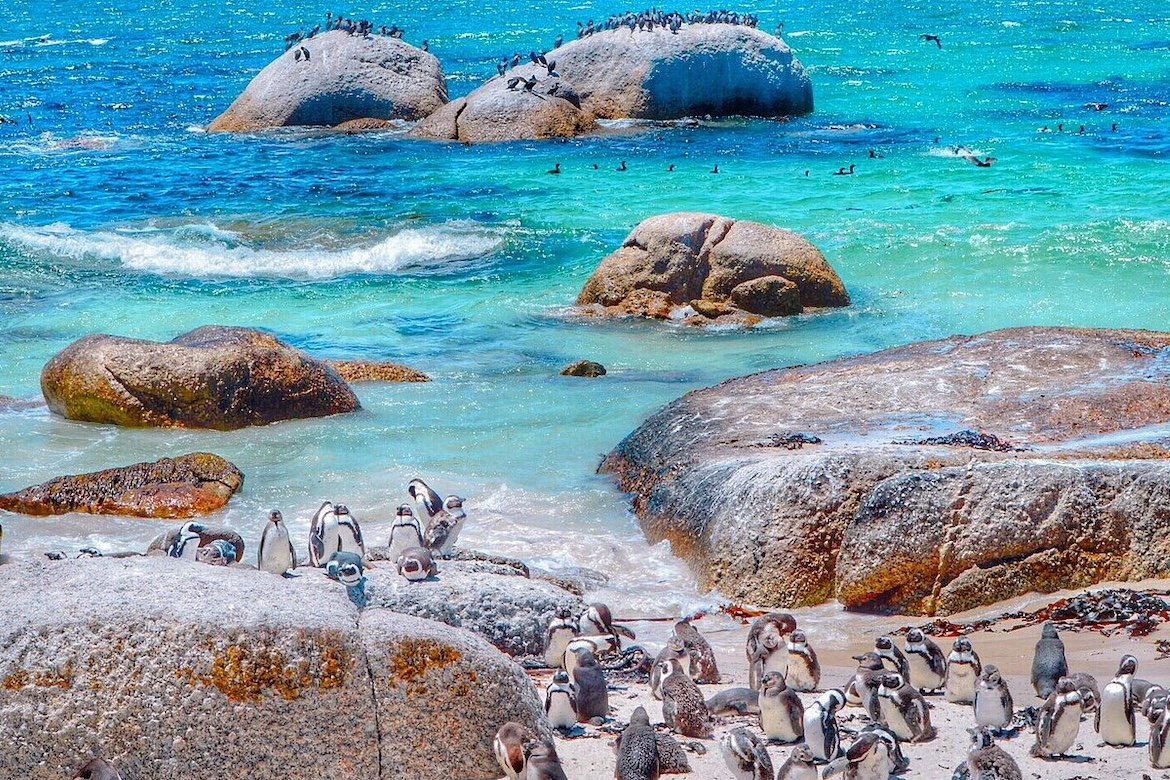
10. Boulders Beach Penguin Colony – Simon’s Town, South Africa
Photo: Tripadvisor
Completing the top 10, Boulders Beach is famous for its colony of endangered African penguins. Granite boulders frame small sandy coves, creating one of the most distinctive beach environments worldwide.
Top 10 Beaches in the United States for 2026
Beyond the global rankings, Tripadvisor also highlights the best beaches across the United States. This year’s list reflects the country’s remarkable coastal diversity – from California’s protected marine reserves to Florida’s powder-soft Gulf sands and Hawaii’s volcanic black beaches.
The selection shows that a world-class beach experience in the U.S. can range from urban icons to untouched natural parks:
1. La Jolla Cove – California
2. Clearwater Beach – Florida
3. Poipu Beach Park – Hawaii
4. Waikiki Beach – Hawaii
5. Lanikai Beach – Hawaii
6. Siesta Beach – Florida
7. Punaluʻu Black Sand Beach – Hawaii
8. St. Andrews State Park – Florida
9. Santa Monica State Beach – California
10. Honeymoon Island State Park – Florida
Top 10 “One of a Kind” Beaches for 2026
New for 2026, the “One of a Kind” category celebrates beaches that offer experiences far beyond traditional sun and sand.
These destinations stand out for their extraordinary natural or cultural features – from penguin colonies and glowing bioluminescent waters to dramatic dunes, volcanic landscapes and ancient landmarks. It is a ranking designed for travelers seeking something truly unforgettable:
1. Boulders Beach Penguin Colony – South Africa
2. Isola Bella – Sicily, Italy
3. Bamburgh Beach – United Kingdom
4. Sleeping Bear Dunes – Michigan, United States
5. Parque Nacional dos Lencois Maranhenses – Brazil
6. Anakena Beach – Easter Island, Chile
7. Waianapanapa State Park – Hawaii, United States
8. Hopewell Rocks – Canada
9. Bahia Bioluminiscente – Puerto Rico
10. Hot Water Beach – New Zealand
Chicago has officially designated Navy Pier as the new eastern starting point of Route 66, creating a symbolic pier-to-pier journey from Lake Michigan to the Pacific.
By Yuliya Karotkaya
Published:
Navy Pier in Chicago becomes the new eastern starting point of Historic Route 66, marking its 100th anniversary. Photo: Pixabay
As Route 66 marks its 100th anniversary, Chicago has officially redesignated the historic highway’s eastern starting point, moving it to Navy Pier along the shores of Lake Michigan. The decision transforms the iconic roadway into a symbolic pier-to-pier journey, stretching from Navy Pier to the Santa Monica Pier in California.
The change was approved by the Chicago City Council following a resolution introduced by Alderman Brendan Reilly. For decades, the route’s starting marker had been located at the intersection of Michigan Avenue and Adams Street. By relocating it to Navy Pier, city leaders aim to reinforce Chicago’s role as the historic eastern anchor of Route 66 while creating a more visually and symbolically powerful origin point on the waterfront.
Mayor Brandon Johnson described the move as both a tribute to the road’s heritage and a sign of its continued evolution. Established in 1926, Route 66 once served as a critical artery for Americans heading west, particularly during the Dust Bowl migration of the 1930s.
Spanning approximately 2,448 miles, the highway became embedded in American literature, music and popular culture before being largely replaced by the Interstate Highway System. Since the 1980s, Historic Route 66 designations have helped revive its tourism appeal.
A Pier-to-Pier American Journey
The relocation aligns the eastern starting point with the western endpoint, which was moved in 2009 to the Santa Monica Pier. With Navy Pier now serving as the official beginning of the trail, travelers can experience a clearly defined coast-to-coast journey from Lake Michigan to the Pacific Ocean.
An official Route 66 sign marking the new starting point will be unveiled on March 25, 2026. The ceremony coincides with Opening Day of the baseball season and the 28th Annual Worldwide Toast to Harry Caray, a beloved broadcaster closely associated with Chicago sports culture. Caray’s personal connection to Route 66 adds historical resonance to the event, as he grew up along the route and traveled it early in his career.
Centennial Celebrations and Cultural Programming
The dedication ceremony at Navy Pier is planned as a daylong celebration reflecting the spirit of classic roadside Americana. Programming will include live music performances, classic car displays and exhibits featuring Route 66 memorabilia. Special guests are expected to include local officials, tourism leaders and cultural figures connected to the centennial celebration.
Navy Pier, one of the Midwest’s most visited tourism destinations, welcomes millions of visitors annually. By designating it as the new eastern terminus, Chicago reinforces its waterfront landmark as both a historic symbol and a modern gateway for travelers beginning their cross-country journey.
With the centennial milestone, the Route 66 relocation underscores how heritage tourism continues to evolve. The pier-to-pier framing not only strengthens the narrative of the “ultimate American road trip,” but also repositions Chicago’s lakefront as the literal starting line of one of the nation’s most storied highways.
Sandals Resorts has introduced its first semi-annual Caribbean sale, offering up to 65% off, resort credits and bonus free nights across its adults-only portfolio.
By Yuliya Karotkaya
Published:
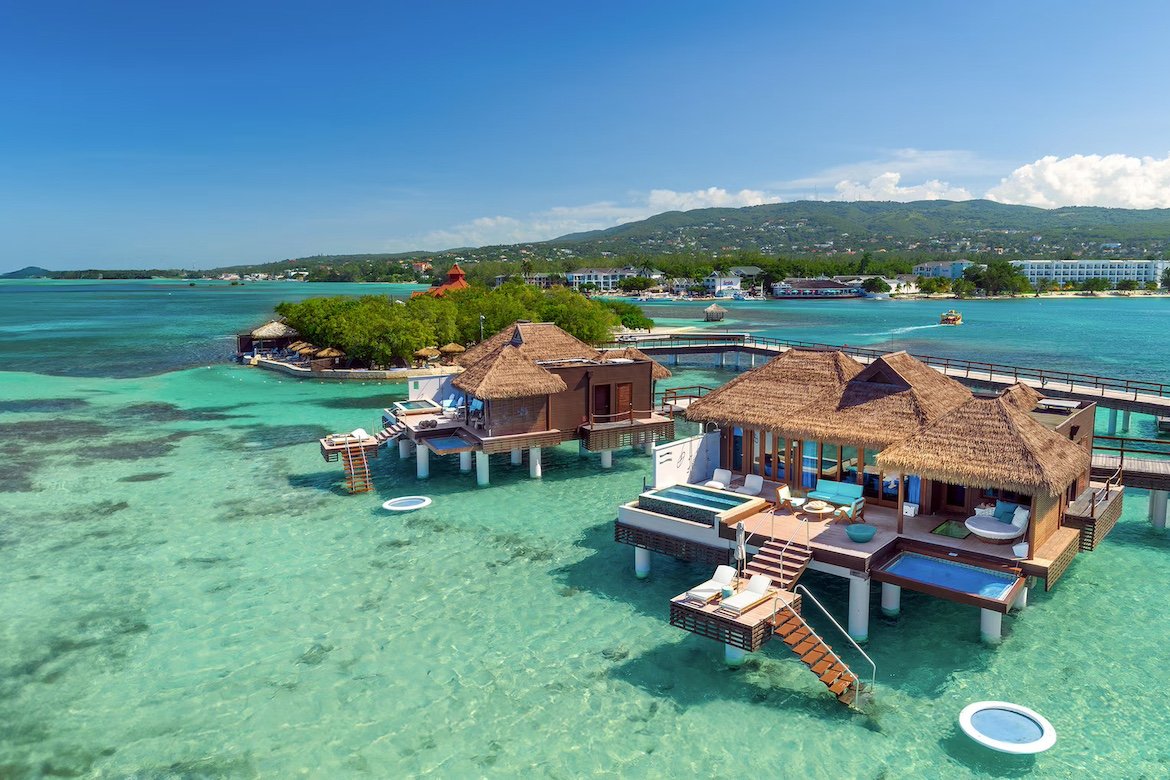
Sandals Resorts unveils its first semi-annual Caribbean sale with major savings across multiple island destinations. Photo: Sandals
Sandals Resorts has unveiled its first-ever semi-annual Caribbean sale, introducing one of the brand’s most aggressive promotional campaigns to date. The limited-time offer provides savings of up to 65% on accommodations, along with additional incentives including resort credits and complimentary nights for qualifying stays.
The promotion applies to bookings made by March 16, 2026, for travel through December 25, 2027, giving guests an extended window to plan future vacations. In addition to discounted room rates, travelers will receive $175 in resort credits that can be used toward select on-property experiences. Eligible redemptions include spa treatments at Red Lane Spa, private candlelight dinners on the beach and introductory scuba diving sessions, reinforcing the experiential focus of the brand’s all-inclusive model.
Guests staying seven nights or longer in select accommodation categories will also qualify for a complimentary extra night, effectively lowering the average nightly rate for extended stays. The combination of upfront discounts, added-value credits and bonus nights positions the sale as both a pricing incentive and a value enhancement strategy.
The promotion spans Sandals’ portfolio of 17 adults-only, all-inclusive resorts across eight Caribbean destinations: Jamaica, Antigua, Saint Lucia, The Bahamas, Barbados, Grenada, Curaçao and Saint Vincent. Each property maintains the brand’s signature couples-focused positioning, with accommodations ranging from beachfront suites to overwater-style bungalows.
Highlighted within the sale are premium room categories such as the Asombroso Rondoval Suites at Sandals Royal Curaçao, as well as the oceanfront Awa Seaside Bungalows. Certain suite categories include added amenities designed to extend the guest experience beyond the resort itself, including access to a MINI Cooper for island exploration.
The launch of a structured semi-annual sale suggests a strategic shift toward predictable promotional cycles, aligning Sandals more closely with broader retail and hospitality industry trends. By formalizing seasonal sales, the company may be seeking to stimulate forward bookings while maintaining rate flexibility across peak and shoulder seasons.
For travelers, the extended booking window offers planning security amid fluctuating airfare and economic conditions. For Sandals, the campaign provides an opportunity to drive occupancy across its Caribbean footprint well into 2027.
With strong brand recognition in the couples luxury segment, the semi-annual Caribbean sale signals a more aggressive approach to capturing demand in an increasingly competitive all-inclusive market.
KimKim has introduced a new app that allows travel advisors to deliver personalized, day-by-day itineraries to clients through a secure digital platform.
By Yuliya Karotkaya
Published:
KimKim introduces a new digital app designed to simplify how travel advisors share custom itineraries with clients. Photo: KimKim
KimKim, the platform that connects travel advisors with in-destination experts, has launched a new app designed to simplify how advisors share detailed itineraries with their clients. The move reflects growing demand for streamlined, mobile-first trip management tools as custom, multiday travel continues to expand.
The new app is intended to replace fragmented documentation methods such as lengthy PDF files, scattered attachments and extended email threads. Instead, advisors can now deliver complete trip information through a secure digital link, allowing travelers to access all relevant details in one centralized interface. The solution was built specifically for complex, customized itineraries that involve multiple accommodations, transfers and activities.
Travelers using the app will see their journey organized in a clear, day-by-day format. Each day outlines accommodations, scheduled activities, transportation arrangements and designated free time. The platform also stores confirmations, tickets, meeting points and additional attachments, ensuring that essential documents are accessible in real time. By consolidating logistical information, the app aims to reduce confusion and minimize last-minute communication challenges.
KimKim’s leadership positions the launch as a productivity tool for advisors as much as a convenience upgrade for clients. As custom travel becomes more detailed and experiential, advisors often spend significant time formatting documents and responding to logistical questions. By presenting complex itineraries in an intuitive, mobile-friendly layout, the app is designed to free advisors from administrative burdens and allow them to focus more on relationship-building and personalization.
The shift also mirrors broader industry trends toward digital transformation in travel services. Clients increasingly expect immediate access to information on their smartphones rather than relying on printed materials or email searches. For advisors, delivering itineraries in a professional, interactive format can enhance perceived value and strengthen brand credibility.
Security is another key element of the platform. Itineraries are delivered via secure links, providing controlled access while maintaining data privacy. This approach addresses growing concerns around document management and traveler information protection.
To support the rollout, KimKim plans to host a webinar outlining the app’s functionality and offering a question-and-answer session for advisors. The company continues to position itself as a technology-driven partner for travel professionals seeking to modernize their workflow.
As personalization becomes central to premium travel experiences, tools that simplify delivery without reducing complexity may become essential infrastructure. With its new app, KimKim is betting that better presentation and easier access to trip details will strengthen both advisor efficiency and client confidence.
PokéPark Kanto has officially opened near Tokyo, becoming the world’s first outdoor Pokémon theme park and marking a milestone year for the franchise.
By Yuliya Karotkaya
Published:
PokéPark Kanto near Tokyo officially opens as the world’s first outdoor Pokémon theme park, blending nature trails and immersive entertainment. Photo: PokéPark
After months of anticipation – and following our earlier coverage of the project – PokéPark Kanto has officially opened in Japan, becoming the world’s first outdoor Pokémon theme park. The park welcomed visitors on February 5, coinciding with the 30th anniversary year of the Pokémon franchise, one of the most successful entertainment brands globally.
Located within Yomiuriland, around 30 minutes from central Tokyo and extending into neighboring Kanagawa Prefecture, the 26,000 square meter attraction has been developed under the supervision of The Pokémon Company.
The concept draws directly from the franchise’s origins, which were inspired by childhood exploration and nature. Rather than focusing solely on indoor rides or digital simulators, the park emphasizes physical discovery and outdoor immersion.
Exploring the Pokémon Forest
One of the two main zones is the Pokémon Forest, an expansive nature trail featuring more than 600 life-size Pokémon replicas placed throughout wooded paths, rocky landscapes, tunnels and small hills. The 500 meter course includes over 100 steps, making it an active experience designed to feel like encountering Pokémon in their natural habitat.
The outdoor setting reinforces the original “Gotta catch ’em all” spirit of adventure. Visitors are encouraged to explore freely, spotting Pokémon hidden among trees and rocks. Pokémon GO integration adds another layer, allowing players to catch creatures throughout the park grounds, including rare variants. However, the physical nature of the trail means it may not be accessible to very young children or some guests with mobility limitations.
Sedge Town and Live Entertainment
The second zone, Sedge Town, recreates a vibrant Pokémon hub complete with themed shops, food options and live performances. The Pika Pika Sparks show at the Sedge Gym stages Pokémon battles with theatrical effects, while scheduled meet-and-greet sessions with Pikachu and Eevee add to the celebratory atmosphere. Mini parades at the Pokémon Playhouse take place throughout the day.
Family-oriented rides include Pika Pika Paradise, a flying attraction centered on Pikachu and electric-type Pokémon, and Vee Vee Voyage, a carousel-style experience inspired by Eevee. Visitors can also collect commemorative medals and digital collectibles via the park’s mobile app.
Early demand has been strong, with lottery-based advance ticket sales selling out quickly. Pricing is comparable to other major Japanese theme parks. With its combination of outdoor exploration, live entertainment and digital interaction, PokéPark Kanto positions itself as a new landmark in Japan’s pop culture tourism sector.
A new survey finds that nearly one in four couples consider themselves incompatible travel partners, with budgets, bedtimes and itineraries driving the biggest tensions.
By Yuliya Karotkaya
Published:
Travel compatibility can shape a couple’s holiday experience, with budgets and schedules often sparking tension. Photo: Vera Arsic / Pexels
The research by Railcard.co.uk suggests that travel compatibility may be more complicated than romance itself. According to a survey of 2,000 people in relationships, nearly one in four couples do not consider themselves well-matched travel partners. While 89% of respondents have traveled with their significant other, 23% say their preferences simply do not align when it comes to planning and experiencing a trip.
Only 28% of those surveyed believe their partner “ticks all the boxes” as an ideal travel companion. The most common flashpoints are surprisingly practical: where to eat, how much to spend, and what time to wake up or go to bed. Itineraries, sightseeing priorities, and even the type of music played during a journey also rank high among disagreements. For many couples, differences become clear quickly, with more than half saying it takes just one or two trips to determine true travel compatibility.
Budget tensions are especially prominent. Decisions about accommodation standards, dining choices, and length of stay often reveal different expectations around spending. Meanwhile, daily rhythms can cause friction, with early risers clashing with night owls. Even small details, such as who gets the preferred seat on shared transport, can escalate into recurring arguments.
Yet the findings also suggest that differences are not necessarily a deal-breaker. A quarter of respondents believe that opposites can actually complement one another while traveling. Some say differing preferences help them step outside their comfort zones, while others note that compromise can prevent conflicts from becoming entrenched. More than half of those surveyed believe that learning to meet in the middle is key to maintaining harmony on the road.
Despite the tensions, couples continue to see strong benefits in traveling together. Over half say trips help them create shared memories, while nearly half value simply having someone to talk to along the way. More than a third feel that traveling strengthens emotional bonds, reinforcing the idea that navigating differences can deepen a relationship.
The survey also highlights that certain types of journeys may foster greater harmony. Train trips, for example, were cited by some respondents as moments of higher compatibility, offering uninterrupted time together and fewer logistical pressures.
Ultimately, the study suggests that travel acts as both a test and a teacher. Differences in style, budget, and pace may surface quickly, but they also offer opportunities for communication and compromise. For many couples, compatibility is not about identical preferences but about learning how to navigate them together.
Sweden is inviting international travelers to apply for a one-year stay on one of five secluded islands, redefining luxury as space, silence and nature.
Sweden is turning the fantasy of escaping to a private island into a year-long reality for five international travelers. In a new tourism initiative titled “Your Swedish Island,” the Nordic country is offering selected applicants the opportunity to become custodians of one of five secluded islands for twelve months, reframing luxury as simplicity, silence and immersion in nature.
The campaign is built on a striking fact: Sweden has more than 267,000 islands, more than any other country in the world. Visit Sweden, in partnership with the National Property Board, is positioning this abundance as a symbol of open space rather than exclusivity. Instead of private ownership in the traditional sense, winners will receive the right to use one of five carefully chosen islands, each remote yet close enough to mainland communities for essentials such as groceries, local events or cultural celebrations.
According to survey data commissioned by Visit Sweden, global travelers are increasingly drawn to quiet environments, clean air and access to nature. A large majority of respondents said they would consider visiting a Swedish island, and nearly half expressed interest in escaping crowds for greater solitude. In key European markets, a notable share even admitted they would value time away from daily routines and social pressures.
The five islands selected for the initiative reflect different aspects of Sweden’s varied coastal geography. Medbådan, shaped by glacial forces, lies off the northern coast near Umeå. Flisan offers pale bedrock and proximity to small fishing communities. Storberget, nicknamed “the big mountain,” contrasts granite formations with compact size. Tjuvholmen features pine-lined terrain near Lake Vänern, while Marsten is expected to appeal to fishing enthusiasts seeking rugged seascapes.
To apply, participants must be over 18 and submit a short video explaining why they deserve to spend a year on a Swedish island. Applications close in mid-April, and winners will be announced in June. In addition to the custodianship, successful applicants will receive travel to Sweden.
The initiative reflects a broader trend in destination marketing, where countries emphasize restorative travel and emotional well-being rather than traditional luxury. By highlighting space, stillness and public access to nature, Sweden is aligning its brand with slow travel and sustainability narratives that resonate with post-pandemic travelers.
Even for those who do not win, the message is clear: Sweden’s archipelagos, lakes and coastlines remain widely accessible. The campaign may offer five symbolic islands, but the broader invitation is to experience a country where solitude is not rare – it is abundant.
Expedia is aggressively integrating generative and agentic AI into its products and operations as it prepares for a shift in how travelers search, plan and book trips.
By Yuliya Karotkaya
Published:
Expedia intensifies its AI strategy as generative search and agentic booking tools begin reshaping global travel discovery. Photo: Expedia Group
Expedia is repositioning itself for what it sees as a structural shift in how travelers discover and book trips, placing generative and agentic AI at the core of its long-term strategy. In its latest annual filing, the Seattle-based travel group explicitly identified AI-driven platforms as an emerging competitive threat, noting that intelligent assistants could redirect users toward new booking environments where Expedia may lack a dominant presence.
The updated disclosure reflects a broader transformation underway in digital travel. Increasingly, travelers are experimenting with AI tools that can research destinations, compare options and potentially complete bookings autonomously. Rather than relying solely on traditional search engines or navigating online travel agencies manually, consumers may delegate parts of trip planning to conversational agents.
CEO Ariane Gorin has said the company is “experimenting aggressively” across major AI ecosystems to ensure Expedia brands remain visible in generative search and compatible with agentic browsers. While AI-driven booking volumes remain relatively small today, each integration provides behavioral data that could shape future distribution strategies.
Building AI Into the Customer Experience
Beyond defensive positioning, Expedia is embedding AI directly into its own platforms. The company has introduced conversational trip-planning tools, natural-language search features and an AI agent within Hotels.com designed to simplify property discovery and comparison. It also launched an app integration with ChatGPT, allowing users to interact with Expedia’s inventory through conversational prompts.
A key step in this strategy is Expedia’s partnership with Perplexity to launch “Comet,” a new AI-powered travel assistant built to help travelers plan trips faster and more intuitively. The initiative signals that Expedia aims not just to adapt to AI-driven discovery, but to actively shape it by integrating its supply and pricing data into emerging AI-native environments.
At the same time, the company is betting that direct relationships remain a durable advantage. Approximately two-thirds of bookings begin on Expedia-owned brands, and direct traffic is growing faster than indirect channels. Maintaining this demand base could be critical if third-party AI platforms begin to capture more search and discovery traffic.
AI Inside Operations and Financial Momentum
Internally, AI is reshaping how Expedia operates. Product and engineering teams are using generative tools to accelerate feature development. Supply teams are deploying automation to streamline inventory onboarding. Customer service functions are increasingly AI-enabled, helping deliver record levels of self-service resolution and operational efficiency.
The financial backdrop remains solid. In the fourth quarter, Expedia reported 11% year-over-year growth in both revenue and gross bookings. Booked room nights rose 9%, supported by resilience in the U.S. market and accelerating growth across EMEA, even as geopolitical pressures weighed on parts of Asia. B2B gross bookings expanded significantly faster than consumer channels, highlighting diversification across distribution streams.
Still, Expedia has acknowledged new risks emerging alongside AI opportunities. Agentic booking capabilities, particularly those lacking robust consent controls, could heighten fraud exposure and complicate authorization processes. As automated systems gain greater transactional autonomy, governance and security may become a new competitive battleground.
For Expedia, AI is no longer peripheral experimentation. It is becoming embedded across product development, distribution strategy and internal operations – a recalibration designed to ensure relevance as travel discovery enters the agentic era.
Orange Travel and Selectour have launched a strategic partnership to offer travelers preferential eSIM connectivity rates at the time of booking, expanding distribution across 1,000 agencies.
By Yuliya Karotkaya
Published:
Orange Travel partners with Selectour to offer discounted eSIM plans in 200+ destinations, accelerating growth in the global travel connectivity market. Photo: Orange
Orange Travel, the international eSIM service operated by the Orange Group, has entered a strategic partnership with Selectour, one of Europe’s largest travel agency networks, in a move designed to embed mobile connectivity directly into the travel booking process.
The collaboration, rolled out at the start of 2026, allows Selectour customers to access preferential rates on Orange Travel eSIM plans when booking trips either in-store across 1,000 agencies or via Selectour’s website.
The agreement reflects a broader shift in the travel industry, where connectivity is increasingly viewed as a core component of the traveler experience rather than an afterthought. Instead of purchasing roaming add-ons or searching for local SIM cards upon arrival, customers can now secure prepaid data, voice and SMS packages in advance.
Orange Travel’s eSIM offering covers more than 200 destinations and provides flexible plans ranging from short-term data bundles to high-capacity options valid for up to 90 days.
Pricing begins at competitive entry levels for regions including Europe, North America, the Middle East and Africa. The service operates through Orange’s global roaming agreements, supported by hundreds of international partnerships, and is complemented by year-round customer support. Travelers select their plan, complete payment through familiar local methods and activate the eSIM digitally upon arrival, reducing friction at the destination.
Connectivity Becomes Part of the Booking Journey
For Selectour, the partnership represents an effort to enhance value beyond traditional services such as flights, hotels and tour packages. Travel advisors can now position connectivity as an integrated part of trip planning, addressing growing consumer expectations for uninterrupted digital access abroad. As remote work, digital payments and app-based travel services become standard, reliable mobile data has become essential infrastructure for international travel.
For Orange Travel, the alliance significantly broadens distribution by placing its solution at a critical decision point in the customer journey. Rather than relying solely on direct digital sales, the company gains access to physical retail touchpoints where travel purchasing decisions are finalized. The co-branded platform developed for Selectour enables streamlined onboarding while preserving the agency’s brand presence.
Industry data suggests the travel eSIM market is expanding rapidly as consumers seek alternatives to high roaming fees. By aligning with a major agency network, Orange Travel strengthens its position within a competitive and increasingly crowded segment.
The partnership also signals a wider convergence between telecommunications and tourism sectors. As travel professionals look for ancillary revenue streams and improved customer retention, digital services such as connectivity are emerging as strategic differentiators.
With further targeted promotions and international event collaborations under discussion, both companies are positioning the Orange Travel eSIM partnership as a scalable model for global expansion in the travel technology ecosystem.
The famous Lovers’ Arch in Torre Sant’Andrea, Puglia, collapsed into the sea after severe storms, marking a major loss for Salento’s coastline and tourism.
By Yuliya Karotkaya
Published:
Updated:
The Lovers’ Arch in Torre Sant’Andrea, Puglia, before its collapse into the Adriatic Sea, long considered a symbol of Salento’s coastline. Photo: Luigi Cataldi / Pexels
One of southern Italy’s most beloved natural landmarks has collapsed into the Adriatic Sea after days of severe weather battered the coast of Puglia. The so-called Lovers’ Arch, part of the Sant’Andrea sea stacks in Torre Sant’Andrea near Melendugno, crumbled overnight on Valentine’s Day following heavy rain, strong winds and powerful storm surges.
The arch, known locally as the “Arco degli Innamorati,” had long been one of Salento’s most photographed coastal formations. Rising from the dramatic limestone cliffs along the Adriatic shoreline, it became a symbol of the region, featured in travel brochures, wedding proposals and countless social media posts. Local legend told of lovers who kissed beneath the arch and formed an unbreakable bond, a story that only amplified its romantic appeal.
Regional authorities said weeks of intense Mediterranean storms had significantly weakened the coastline. These powerful systems, sometimes referred to as “medicanes,” have grown more frequent and more destructive in recent years, accelerating coastal erosion across southern Italy. The cumulative impact of repeated storm surges and heavy rainfall appears to have destabilized the already fragile rock formation, leading to its final collapse.
Melendugno’s mayor described the loss as a “blow to the heart,” calling it a devastating moment for the community and for tourism in Salento. Local officials warned that additional sections of the coastline show visible cracks, raising fears of further collapses in the coming weeks. Civil Protection authorities have urged visitors to keep a safe distance from unstable cliff areas as inspections continue.
The collapse has reignited debate over coastal protection measures. The municipality had previously submitted a €4.5 million project aimed at combating erosion along this stretch of coastline. While the proposal was deemed eligible at the regional level, it was not funded due to budget constraints. Local leaders are now calling for renewed investment to safeguard the remaining sea stacks and protect coastal infrastructure.
Beyond its symbolic significance, the arch’s disappearance represents a tangible loss for the regional tourism economy. Torre Sant’Andrea has drawn visitors from across Italy and abroad, many traveling specifically to see the distinctive rock formations. For residents and tourism operators alike, the event underscores the growing vulnerability of Mediterranean coastlines to extreme weather and climate-related shifts.
What once stood for centuries as a natural monument is now gone, reshaped by the same forces that created it. In Salento, Valentine’s Day will now be remembered not only for romance, but for the sudden disappearance of one of Italy’s most cherished coastal icons.
Join our list to receive latest Blockchain, Crypto & Fintech news:
WordPress database error: [Table 'u752143311_aXVuj.wp_coingecko_coins' doesn't exist]
SELECT coins.*, meta.post_id as post_id
FROM `wp_coingecko_coins` coins
INNER JOIN wp_postmeta meta ON (meta.meta_key = 'wpcf-coin-main-tag' AND meta.meta_value = coins.slug )
ORDER BY market_cap_usd
DESC LIMIT 9