Following the ceasefire agreement and ongoing recovery efforts, Israel’s tourism industry is experiencing a powerful resurgence, welcoming visitors back to its historic cities and sacred landmarks.
By Yuliya Karotkaya
Published:
Updated:
The Temple Mount and the Dome of the Rock overlooking Jerusalem’s Old City, symbolizing Israel’s renewed spirit as tourism returns. Photo: Raimond Klavins / Unsplash
Two years after the devastating events of October 2023, Israel’s tourism industry is finding new life. The recently brokered ceasefire has sparked optimism across the country, drawing international travelers back to its hotels, markets, and sacred sites. Flights are resuming, tour operators are reopening bookings, and the atmosphere – once defined by uncertainty – is being replaced by hope and renewal.
According to America Israel Tours, one of the leading Holy Land travel providers in the U.S., the surge in interest is remarkable. Visitors from North America, Europe, and beyond are eager to return, not only to experience Israel’s history and culture but also to support its recovery. “Since the ceasefire, we’ve seen a major increase in bookings,” says General Manager Noam Matas. “People now feel confident traveling to Israel – it’s a journey of faith and solidarity.”
Faith-based travelers are playing a major role in the comeback. Pilgrims are once again walking the ancient streets of Jerusalem, visiting the Western Wall, and exploring the Sea of Galilee. The Dead Sea resorts, long known for their therapeutic waters, are preparing for a wave of returning guests seeking relaxation and reflection.
Rebuilding Tourism with Purpose and Connection
Today’s visitors to Israel are seeking deeper experiences than before. Many are choosing itineraries that combine sightseeing with volunteer work and cultural exchange, reflecting a broader global shift toward meaningful, responsible travel. Tourists can now visit rebuilding communities, meet local residents, and participate in projects helping families displaced during the conflict.
Airlines are responding quickly to the renewed demand. United Airlines has added seven weekly nonstop flights to Tel Aviv from U.S. cities including Washington, D.C., and Chicago, complementing its twice-daily service from Newark. This expanded connectivity makes it easier for travelers to visit Israel and contribute to its tourism-driven recovery.
Markets in Jerusalem’s Old City have reopened, the shores of the Dead Sea are welcoming spa guests once more, and pilgrimage routes such as the Via Dolorosa are active again. These early signs of recovery demonstrate not only the resilience of the tourism industry but also the enduring spirit of the people behind it.
Challenges remain – airfares are still high, and perceptions of safety take time to rebuild – but optimism is growing. As Israel rebuilds its infrastructure and strengthens its tourism partnerships, each returning visitor becomes part of a larger story of renewal.
For many, visiting Israel today means more than simply exploring its landmarks. It’s about witnessing recovery, supporting local communities, and experiencing a nation that continues to welcome the world with open arms. The return of travelers is not just reviving an industry – it’s restoring a symbol of resilience, faith, and unity at the heart of the Middle East.
JW Marriott Hotel Tokyo has opened in the city’s new Takanawa Gateway district, marking the brand’s latest expansion in Japan and combining mindful design with luxury hospitality.
By Yuliya Karotkaya
Published:
Updated:
Exterior of JW Marriott Hotel Tokyo in Takanawa Gateway City. Photo: Marriott International
In October 2025, JW Marriott Hotel Tokyo opened its doors in Tokyo’s newly developed Takanawa Gateway City, representing the luxury brand’s significant new footprint in Japan.
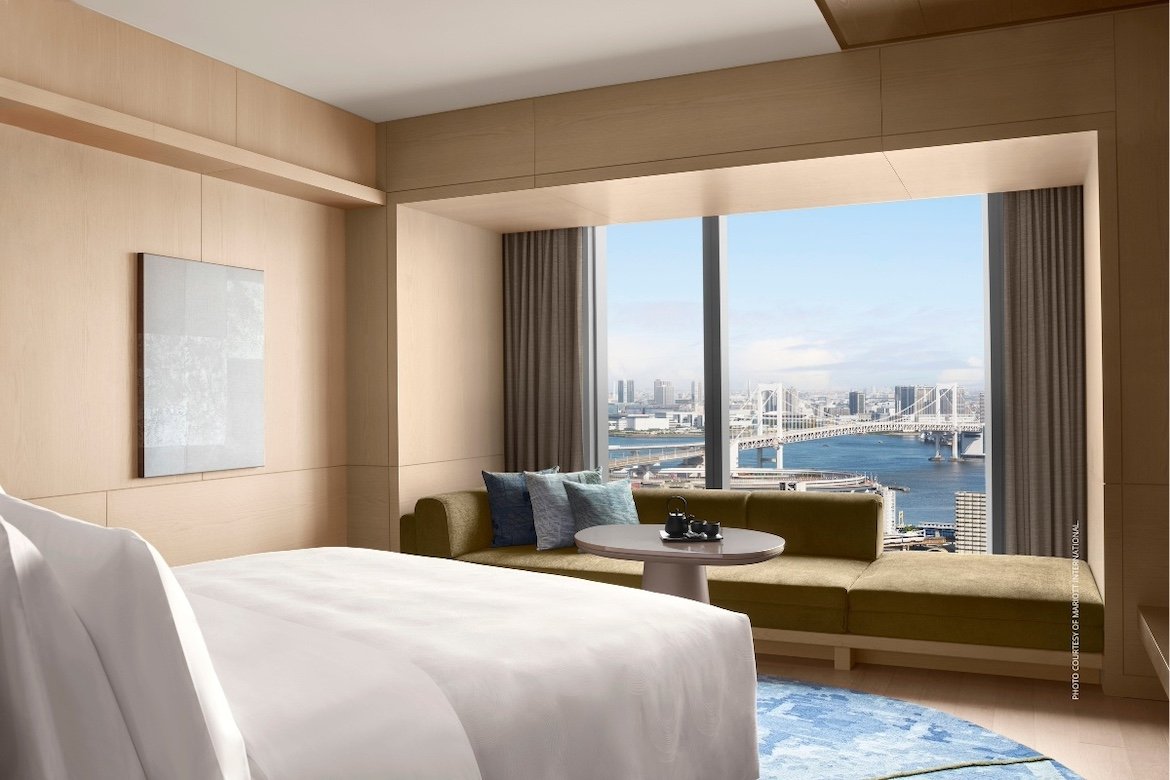
The hotel occupies floors 23 to 30 of the South Tower in this modern urban hub, offering 200 guest rooms and suites designed to reflect a blend of Japanese aesthetics and global sophistication. With its convenient location above Takanawa Gateway Station and just 20 minutes from Haneda Airport, the property makes access to the city’s major business and leisure destinations effortless.
The design of the hotel is a showcase in mindfulness and elegance. Crafted by the acclaimed studio Yabu Pushelberg, the interiors draw on Zen philosophy and the natural beauty of the surrounding Gotenyama Hill. Thoughtful materials – wood, stone and muted tones – create a sense of calm in the heart of Tokyo.
A highlight is the 28th-floor pool with panoramic views of Tokyo Tower and the bay, and the launch of the brand’s first-ever Mindful Floor, featuring tailored rooms, a wellness spa and focused programming that reflect JW Marriott’s commitment to holistic travel experiences.
Elevated Dining, Wellness and Urban Access
Dining at JW Marriott Hotel Tokyo is designed to impress from every angle. Among the seven restaurants and bars, the hotel introduces concepts that merge Japanese tradition with international culinary innovation. One standout is the kappo-style restaurant Saki, created in partnership with two Michelin-starred chefs, while another venue offers croissants with uniquely Japanese flavors in a relaxed bakery setting. Meanwhile, modern Mediterranean cuisine finds expression in venues with sweeping city views, enabling guests to dine with both aesthetic and palate in mind.
Beyond food, wellness and connectivity are central to the guest experience. The Mindful Floor includes specialized rooms that emphasize rest and reflection, while the signature Spa by JW and fitness centre support wellness goals in a high-rise setting. For business travellers and event attendees, the hotel delivers with an expansive 1,140-square-metre event space featuring one of Japan’s largest LED-wall ballrooms – ideal for meetings, celebrations and luxury gatherings.
The opening of JW Marriott Hotel Tokyo aligns with a broader trend in travel: luxury brands are elevating their urban offerings not just through design, but through integrated experiences that cater to both business and leisure travellers. As more guests seek accommodation that supports not only comfort but also wellness and local connection, this Tokyo debut positions JW Marriott competitively in the world’s most dynamic city.
For travellers heading to Tokyo, the new JW Marriott provides more than just a place to stay – it offers a refined, intentional base for exploring, relaxing and connecting in a city defined by constant energy. As the brand’s second JW Marriott property in Japan and its entry into the capital region, the hotel sets a new benchmark for mindful luxury in Tokyo.
Eurostar has placed a €2 billion order for double-deck high-speed trains, set to debut in 2031 and increase capacity through the Channel Tunnel by about 20%.
By Yuliya Karotkaya
Published:
Updated:
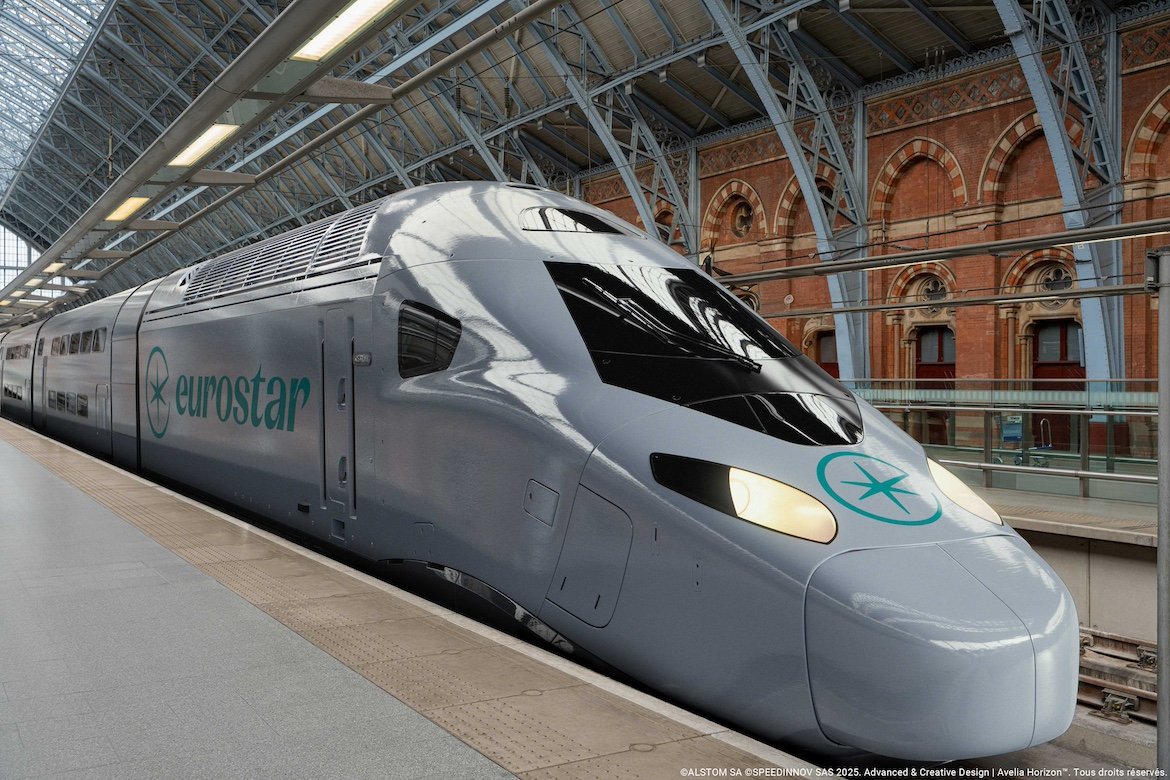
CGI rendering of the upcoming Eurostar Celestia train arriving at London St Pancras. Photo: Eurostar
Eurostar has announced its most significant fleet investment to date: a €2 billion contract with manufacturer Alstom for at least 30 double-deck high-speed trains, branded the ‘Celestia,’ with options for up to 50.
Scheduled to enter service in 2031, these are the first double-deck trains designed to operate through the Channel Tunnel and across the UK mainland from London. Each train is designed to carry over 1,000 passengers, about 20 % more seats than Eurostar’s existing sets.
The new fleet helps Eurostar target a ridership goal of 30 million passengers annually and supports the company’s commitment to expand its network and improve capacity as European demand for rail travel climbs.
Engineered for both innovation and compatibility, the Celestia trains are only 16 cm taller than current units to meet the clearance requirements of the Channel Tunnel and UK infrastructure. Despite their size, they will include extra space for wheelchairs, bicycles, and enhanced legroom – while retaining high-speed performance.
The order also includes modernisation at Eurostar’s Temple Mills depot in London, where maintenance facilities will be upgraded at a cost of €80 million, creating around 350 new jobs. This investment signals a major step toward positioning rail as a viable alternative to short-haul flights, especially as sustainability takes centre stage in international travel.
What It Means for Travellers
For international travellers and rail enthusiasts, the introduction of double-deck high-speed trains is poised to raise the bar. More capacity means that popular routes between London, Paris, Brussels, Amsterdam, and Hamburg (and future destinations like Frankfurt and Geneva) could become more frequent and comfortable.
With extra seating and innovative interior design, Eurostar envisions improved accessibility, better comfort, and more economical travel – especially as rail competes with air in the under-four-hour range. These changes arrive at a time when the European high-speed network is increasingly looking to cross-border linkages and sustainability credentials to remain relevant.
From a travel-experience perspective, the new trains could ease congestion on the busiest channels and free up capacity for faster, premium services. Passengers may benefit from more flexible ticket options, expanded services, and seating – even on peak routes. The shift toward high-capacity, environmentally friendly train travel aligns with broader trends in sustainable tourism, where rail is increasingly chosen over flights for its lower carbon footprint and city-centre to city-centre convenience.
However, industry observers note that infrastructure readiness remains key. While the Channel Tunnel and its access routes are already built to continental standards, challenges like signalling integration, station capacity and competitor access to essential depots still loom.
Eurostar’s dominance of the Temple Mills facility grants it a strategic advantage, but regulatory decisions and competitive pressure are rising. For now, though, the message for travellers is clear: more seats, bigger trains, and a brighter future for international rail journeys in Europe.
In short, the arrival of Eurostar’s double-deck fleet in 2031 marks a turning point in how travellers will cross Europe by rail. As sustainability, comfort and connectivity converge, rail travel is positioning itself not just as an alternative – but often a superior choice – over short-haul flights. The journey between capital cities is about to get bigger, faster, and greener.
JetBlue and United Airlines launch their Blue Sky partnership, allowing loyalty members to earn and redeem miles across both networks, with more benefits coming in 2026.
By Yuliya Karotkaya
Published:
Updated:
JetBlue and United aircraft on the tarmac, marking the start of the Blue Sky loyalty partnership.
JetBlue and United Airlines have officially launched their long-awaited Blue Sky loyalty partnership, a move that brings two of the most recognizable U.S. carriers closer together. Starting this week, loyalty members of both airlines can earn and redeem miles or points across each other’s networks, marking the first major milestone in the airlines’ expanding collaboration.
The partnership creates a seamless bridge between JetBlue’s extensive network of leisure destinations and United’s global reach, offering travelers a new level of flexibility and convenience. TrueBlue members can now use their points for flights across United’s system, including United Express, while MileagePlus members can redeem miles on JetBlue’s popular domestic and Caribbean routes. For travelers searching on either airline’s website or mobile app, flight options across both networks will now appear in a single interface, making the booking process more intuitive.
To earn rewards, TrueBlue members simply enter their loyalty number when booking United-operated flights, while MileagePlus members can do the same on JetBlue’s booking platform. Redemption remains straightforward – members book through their respective airline’s site and choose to search using points or miles.
Both airlines describe this rollout as the “official takeoff” of Blue Sky, emphasizing their shared vision of a more connected and rewarding travel experience. The collaboration will eventually extend beyond loyalty integration, with additional perks and operational benefits on the horizon.
Among the next steps, the Blue Sky initiative will introduce revenue booking integration in early 2026, allowing customers to pay for combined itineraries using cash, points, or miles across both airlines. Reciprocal perks will also arrive that year, including access to preferred seating, priority boarding, and same-day flight changes. Another development will see United’s MileagePlus Travel platform transition to JetBlue’s Paisly system, offering expanded options for hotels, rental cars, and vacation packages.
JetBlue’s support for United’s future expansion at New York’s JFK Airport is also part of the deal. By 2027, the airline expects to provide United with access to up to seven daily roundtrip slots from JetBlue’s upcoming Terminal 6, strengthening both carriers’ presence in the region.
For travelers, this partnership means fewer barriers and more freedom when planning trips. Whether flying United’s global routes or JetBlue’s signature leisure destinations, passengers can now maximize their rewards and simplify their travel planning.
As Blue Sky evolves, it aims to redefine collaboration in the aviation industry – bridging the gap between two major airline loyalty systems and delivering a more connected experience for frequent flyers.
Lonely Planet’s ‘Best in Travel 2026’ highlights 25 must-see destinations worldwide, from Mexico City’s vibrant neighborhoods to Botswana’s wild landscapes.
By Yuliya Karotkaya
Published:
Updated:
A panoramic view of Tipperary, Ireland, one of Lonely Planet’s top destinations for 2026. Photo: Kelly / Pexels
Each year, Lonely Planet inspires travelers around the world with its Best in Travel list – and the 2026 edition is a globe-spanning showcase of where to go next. The annual guide highlights 25 destinations and 25 experiences, celebrating the world’s most inspiring corners – from unspoiled islands to lively cities and ancient trails. Released in October, this year’s list reflects how travel continues to evolve: slower, more meaningful, and focused on connection.
Standout Destinations Around the World
Among the urban highlights is Mexico City, praised for its creative energy, walkable neighborhoods, and exceptional food scene. From Coyoacán’s colorful markets to La Roma’s galleries and leafy bougainvillea-lined streets, the city blends history, art, and modernity with ease.
Another favorite is Liberdade, the Japanese district in São Paulo, Brazil, often called “Little Japan.” With lantern-lit streets, anime murals, and authentic ramen bars, it captures a cultural mix unique to Brazil’s two million residents of Japanese descent.
In Europe, Tipperary, Ireland’s largest inland county, earns recognition for its sweeping green landscapes and medieval charm. Many travelers rush past on their way to the Wild Atlantic Way, but Lonely Planet notes that Tipperary’s peaceful backroads and landmarks like the Rock of Cashel make it one of the country’s most underrated routes. Meanwhile, Sardinia in Italy makes the list for its balance of pristine beaches, rugged mountains, and centuries-old traditions that remain deeply tied to local life.
Nature lovers will find adventure in Botswana, where safaris through the Okavango Delta reveal elephants, lions, and vast open skies. Peru, another top pick, invites travelers to explore beyond Machu Picchu, with lesser-known regions like the Amazon basin and the Andean valleys now drawing attention for their biodiversity and indigenous heritage.
In Asia, Phuket, Thailand, is redefining itself beyond its honeymoon image. Once known mostly for its resorts, it has become a hub for digital nomads and long-term travelers seeking community and balance between work and leisure. Jeju-do in South Korea also earns a spot for its volcanic landscapes, traditional villages, and slow-island pace that contrasts perfectly with nearby Seoul’s speed.
Other destinations on the 2026 list include Cádiz, Spain; Tunisia; Barbados; Réunion; Utrecht, Netherlands; Cartagena, Colombia; Quy Nhon, Vietnam; British Columbia, Canada; Finland; Siem Reap, Cambodia; and Jaffna, Sri Lanka – together forming a global map of adventure, culture, and discovery.
Experiences Worth Traveling For
In addition to its destination picks, Best in Travel 2026 names experiences that define the coming year in travel. Culinary adventures lead the way: food tours through Old Dubai and Kerala, India, celebrate local ingredients, spice histories, and generational recipes. Melbourne, Australia, continues to impress with its multicultural dining scene blending Asian, African, and Mediterranean influences, while Oregon’s Willamette Valley is a wine lover’s paradise, offering intimate tastings far from crowds.
For those chasing excitement, Grenada’s Spicemas Festival in August is named one of 2026’s can’t-miss events, drawing thousands to the Caribbean for a burst of color, rhythm, and celebration. Adventure seekers, meanwhile, can go rafting through the Grand Canyon, stargazing in New Zealand’s Wairarapa, or hiking remote trails in Tajikistan.
Wildlife travelers have their share of wonders too – from tracking elephants in Namibia to spotting whales off Portugal’s Azores and exploring Peru’s Amazon as citizen scientists.
Across continents and categories, Lonely Planet’s Best in Travel 2026 reminds travelers that the world remains full of beauty – not just in the landmarks, but in the stories, flavors, and encounters found along the way. Whether it’s the serenity of Finland, the rhythm of Cartagena, or the warmth of Tipperary’s countryside, 2026 promises journeys that connect travelers to the planet and to themselves.
Four Seasons Yachts launches a Chef-in-Residence programme aboard its first vessel in 2026, pairing acclaimed Michelin-starred chefs with onboard dining experiences.
By Yuliya Karotkaya
Published:
Updated:
A view from the Four Seasons I yacht, setting the scene for luxurious voyages at sea. Photo: Four Seasons Yachts
Ultra-luxury cruising is about to get even more refined. Four Seasons Yachts has announced its Chef-in-Residence programme, debuting aboard the upcoming Four Seasons I in 2026. This initiative teams the yacht’s permanent culinary leadership – Executive Chef Armando Ferman Toledo and Chef de Cuisine Gerardo Acunzo – with globally acclaimed Michelin-starred chefs from Four Seasons hotels in Athens, Hong Kong, Cap-Ferrat and Florence.
The visiting chefs will take over the yacht’s main dining venue, Sedna, to deliver bespoke menus that reflect their signature styles and the local produce of each itinerary.
Whether guests are sailing the Greek Isles in spring or exploring the Dalmatian Coast and French Riviera later in the summer, the menus will evolve with destination and season. For example, Chef Luca Piscazzi from Athens will join the Greek Isles voyages in April and May 2026, while Chef Guillaume Galliot from Hong Kong will feature on the July cruise along Croatia and Montenegro. Each chef brings a unique culinary vision, offering guests an exclusive chance to dine at sea with the same talent found in Michelin-starred restaurants.
A Dining Experience Designed for Discovery
For travellers accustomed to luxury resorts, the star appeal of fine dining is now moving to sea. The Chef-in-Residence programme is tailored for guests who view meals as more than refuelling – they see cuisine as part of the journey. On Four Seasons I, dining becomes a highlight, not a pause. The yacht features 11 distinct restaurants and bars, but Chef-in-Residence tastings at Sedna will raise the bar, blending destination-inspired dishes with the culinary leadership the brand is known for.
Not only does the programme reinforce the idea that “where you eat” matters as much as “where you stay,” it also helps position Four Seasons Yachts in a competitive luxury market. Travellers looking for exceptionally curated experiences will now find them in dining rooms at sea.
With itineraries designed around multiple regions and visitors expecting both exclusivity and authenticity, the Chef-in-Residence series adds a crucial layer of distinction. For anyone sailing in 2026, dining aboard Four Seasons I will be about more than cuisine – it will be about immersion, story and place.
Nick Chazee and Mathilde Vougny left their jobs to live full-time on the road, crossing 160,000 km in a converted Land Rover through six continents.
By Yuliya Karotkaya
Published:
Updated:
Nick Chazee and Mathilde Vougny with their Land Rover during their world expedition. Photo: Nextmeridianexpedition
When Nick Chazee and Mathilde Vougny packed their lives into a Land Rover Defender three years ago, they weren’t running away from work – they were running toward a dream. What started as a casual idea during weekend trips soon evolved into the Next Meridian Expedition, a full-time, globe-spanning journey that has already covered more than 160,000 kilometers across over 40 countries.
The French couple, both 28 years old when they began, traded their stable careers – Nick in a tech startup and Mathilde at the United Nations – for a life that moves with the horizon. “Anytime we had free time, we would go travel, even if it was just a few hours away from home,” Mathilde recalled. “So one day we thought – what if we just kept going?”
From Dream to Drive
It took nearly two years of saving and planning before they could hit the road. Their Land Rover was transformed into a self-sufficient home on wheels, complete with a shower, dual-fuel stove, 45-liter fridge, and a 65-liter water tank. Inside, there’s space for cooking, sleeping, and even working remotely. “The car is perfect in almost every way,” Nick said. “Except when it’s too hot to sleep.”
The couple’s journey started in Europe, then stretched through Central Asia, the Americas, and beyond. Financing the adventure was the hardest part at first. “We started completely self-funded,” Nick explained. “We planned to stop when the money ran out.” But their habit of documenting the trip online eventually grew into a global following. What began as casual updates for friends and family turned into a community of thousands – and a sustainable income stream through social media partnerships and content creation.
Their journey and updates are documented on their official website, Next Meridian Expedition, where they share stories, photography, and insights from life on the road.
Their annual budget now sits around $41,000, covering essentials like fuel, car maintenance, visas, and the occasional shipment of their Land Rover across oceans – an expense that alone averages $6,000 a year. To stretch their funds, they skip hotels and restaurants, instead camping, cooking, and managing logistics themselves. “It’s actually cheaper than our old lives,” Mathilde said with a laugh.
Life on the Road
Daily life is a blend of routine and unpredictability. Laundry happens every two weeks – either at laundromats or local homes. Internet access, through portable routers, keeps them connected for remote work and streaming nights. When shipping delays strand them between continents, they switch to motorbikes and continue exploring.
Not everything goes smoothly. In Australia, their Land Rover’s engine broke down just days after arrival. “It was our worst moment,” Mathilde admitted. “But then a local family stopped to help – and ended up hosting us for three weeks. They helped fix the car, and we cooked together every night. It turned into one of our favorite memories.”
It’s those human connections that keep them going. In Bolivia, a farmer once mistook them for thieves until conversation turned into laughter and tea. “We realized people are mostly curious, not unfriendly,” Mathilde said. “For me, those small interactions are the best part of the trip.”
Their Land Rover, with its French license plate and stickers from dozens of countries, often draws attention. “Everywhere we stop, people come over to talk,” Nick said. “It opens doors to incredible friendships.” Over 300 people around the world have invited them into their homes, and the couple keeps a list of every host.
The Road Ahead
Now, after three years and 160,000 kilometers, the couple shows no signs of slowing down. Their plan is to continue for two more years before deciding whether to build a home base. “We want a place where we can welcome other travelers,” Mathilde said. “To give back what we’ve received.”
Nick envisions building a bigger vehicle next time – something more rugged for Africa and South America. But for now, the road remains their home. “Every border we cross reminds us why we started,” he said. “The freedom, the people, the landscapes – it’s everything we hoped for.”
For Nick and Mathilde, life isn’t about the miles behind them, but the moments they collect along the way. As they like to say: “The road always knows where to take us.”
HX Expeditions introduces two fully electric ‘silent science boats’ in Antarctica and the Arctic, reducing underwater noise and advancing sustainable exploration.
By Yuliya Karotkaya
Published:
Updated:
One of HX Expeditions’ new fully electric 'silent science boats' operating in the polar regions. Photo: HX Expeditions
As HX Expeditions celebrates nearly 130 years of pioneering exploration, the company is once again reshaping how travelers experience the polar regions. The world’s oldest expedition cruise line has unveiled two fully electric “silent science boats” designed to minimize underwater noise pollution and enhance scientific research in fragile environments like Antarctica and the Arctic.
The new MK 5 vessels, equipped with RAD Propulsion’s advanced RAD 40 drive system, are now operating aboard HX’s ships MS Fram and MS Fridtjof Nansen, the latter already known for its hybrid-battery technology. These electric boats mark a significant step forward in the brand’s commitment to sustainable travel, replacing traditional fuel-based Zodiacs with cleaner, quieter alternatives.
The initiative is more than just a technological upgrade – it’s part of HX’s long-term mission to protect marine ecosystems and support ongoing research in some of the planet’s most delicate habitats. “Sound pollution is one of the most underestimated environmental impacts in these polar regions,” said Dr. Verena Meraldi, Chief Scientist at HX. “For wildlife under the surface, especially whales, noise can mean the difference between thriving and struggling.”
By removing the roar of combustion engines, these boats offer a new kind of silence – one that allows travelers and scientists to observe marine life without interference. The vessels are compliant with IAATO (International Association of Antarctica Tour Operators) standards, ensuring that every aspect of their design supports environmental integrity and operational safety.
Transforming Science and Exploration
The impact of HX’s new electric boats extends beyond sustainability – it’s also transforming how polar science is conducted. Dr. Ari Friedlaender, a renowned marine biologist and long-time HX collaborator, said the shift will fundamentally improve fieldwork: “The silence of these vessels compared to traditional engines allows us to approach whales with far less disturbance, making our observations more natural. It’s a game-changer for science in these remote environments.”
Guests aboard HX voyages will now experience the same technology that supports cutting-edge research. The electric Zodiacs will be used not only for scientific teams but also for travelers participating in Citizen Science programs, allowing them to engage directly in wildlife monitoring and oceanographic data collection. From tracking biodiversity to photographing penguin colonies, these expeditions blend authentic adventure with environmental purpose.
HX’s Chief Operating Officer, Iain McNeill, described the initiative as the beginning of a “fleet-wide transformation.” Over time, the company plans to phase out all traditional combustion-engine boats, replacing them with clean, electric options. “These new vessels allow our teams and guests to conduct wildlife observations and biodiversity studies with minimal acoustic interference,” he said.
The move reflects a growing shift within expedition cruising – toward experiences that are not only immersive but also responsible. As the company approaches its 130th anniversary, HX continues to blend exploration with conservation, ensuring that the wonders of the poles can be experienced without leaving a heavy footprint.
For HX Expeditions, silence is now the new sound of discovery.
Belmond’s iconic Venice Simplon-Orient-Express will debut a new Paris-to-Amalfi Coast route in May 2026, offering a three-night luxury rail and resort experience.
By Yuliya Karotkaya
Published:
Updated:
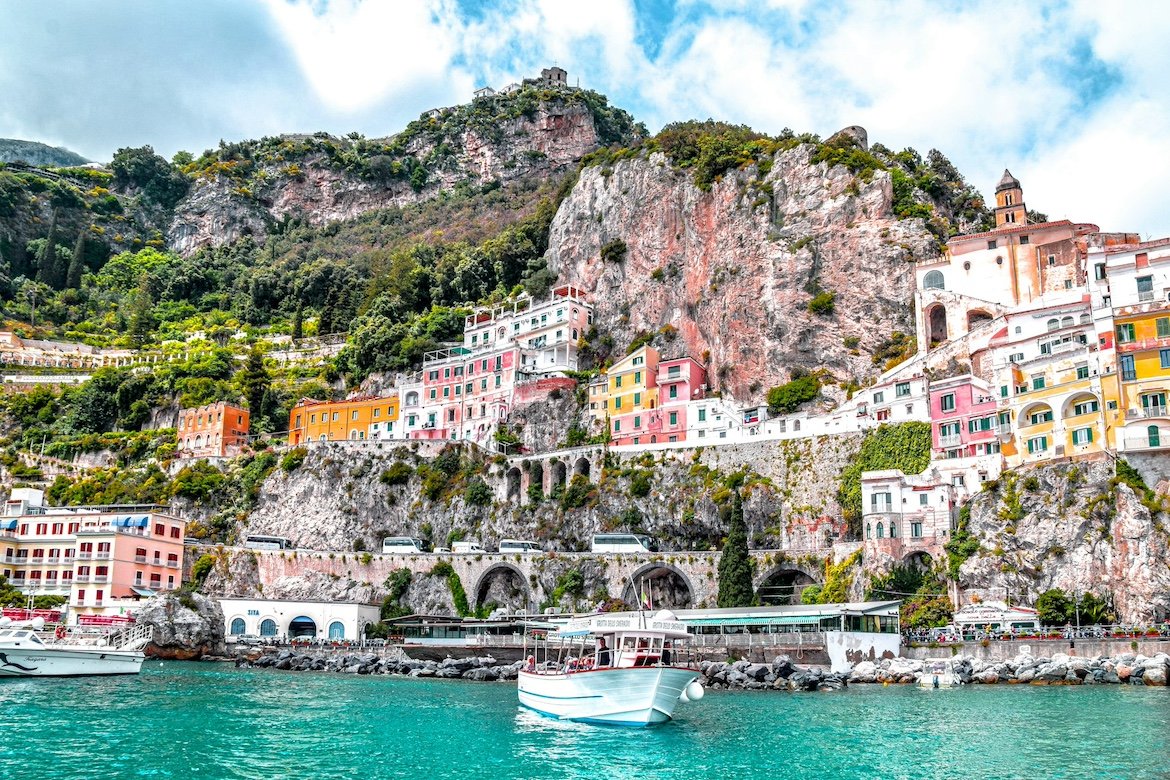
Scenic view of the Amalfi Coast, the final destination of Belmond’s new luxury train journey from Paris. Photo: Tom Podmore / Unsplash
Luxury train travel is entering a new golden age with Belmond’s announcement of its latest route: the Paris-to-Amalfi Coast journey aboard the iconic Venice Simplon-Orient-Express, launching in May 2026.
The new itinerary blends timeless rail elegance with the glamour of the Italian coastline, offering a three-night adventure that spans France and Italy before culminating in a stay at one of Belmond’s renowned coastal retreats.
A Journey from Paris to the Amalfi Coast
The experience begins in Paris, where guests board the train’s polished blue-and-gold carriages and are greeted with champagne and live piano music. Once aboard, passengers can choose between beautifully restored twin cabins, suites, or grand suites featuring marble bathrooms and vintage décor. Dinner is served in the train’s art-deco dining cars, where white-gloved service, crystal glassware, and regional French cuisine recall the opulence of 1930s travel.
As the train winds through the French countryside and northern Italy, guests wake to views of the Alps before arriving near Naples. An exclusive excursion to Pompeii follows, offering a private guided tour of the ancient site before continuing toward the Amalfi Coast.
The journey ends at Belmond Hotel Caruso in Ravello, an 11th-century clifftop property overlooking the sea. There, guests spend two nights enjoying curated experiences such as private cooking classes, boat excursions along the coast, and candlelit dinners under the stars.
A Celebration of Slow, Experiential Luxury
This new itinerary is part of Belmond’s “Villeggiatura by Train” collection – a series of luxury journeys that link iconic cities with the brand’s finest properties. The Paris-to-Amalfi route follows the success of other themed experiences designed for travelers who see the journey as part of the destination itself. Prices start at around €10,000 per person, including all meals, accommodations, and curated activities, positioning the trip firmly within the ultra-luxury segment.
Belmond’s decision to connect two of Europe’s most romantic destinations highlights a growing demand for immersive, nostalgic travel experiences. In an era of fast air travel, the Venice Simplon-Orient-Express emphasizes slower rhythms and sensory indulgence – elegant dining, artful interiors, and breathtaking scenery. The train’s restoration and attention to detail have made it a symbol of craftsmanship and continuity in an industry defined by constant reinvention.
With departures scheduled for spring 2026, the new route promises a return to the golden age of rail travel – where elegance, comfort, and adventure coexist. For travelers seeking more than just a destination, Belmond’s Paris-to-Amalfi journey offers the ultimate expression of refined exploration: a voyage where the journey itself is the luxury.
OpenAI’s new ChatGPT Atlas browser introduces live internet access and seamless AI integration, changing how travelers plan, research, and book their trips.
By Yuliya Karotkaya
Published:
Updated:
The official ChatGPT Atlas logo representing OpenAI’s next-generation AI browser. Photo: OpenAI
OpenAI has officially unveiled ChatGPT Atlas, a new AI-powered browser designed to bring real-time internet access directly into ChatGPT. For travelers, this launch could change the way trip planning happens – combining live data, smart automation, and intuitive design into a single tool.
Atlas allows users to browse the web, view current prices, read reviews, and explore destination information without ever leaving the ChatGPT interface. According to Aistify, the new browser represents a major step toward merging conversational AI with fully interactive web capabilities.
Atlas effectively turns ChatGPT into a smart travel companion capable of performing live research. A user can now ask the model to “find boutique hotels in Lisbon under $250 per night,” and it will open relevant sites, verify availability, and summarize options – all in real time.
The browser also supports context retention, meaning travelers can refine their queries without restarting their search. For example, after finding hotels, they can ask for nearby cafés, events, or beaches, and Atlas will adjust results instantly. This ability to link related searches mimics the way people plan trips – naturally and dynamically – while saving hours of manual effort.
The new browser also serves as a foundation for OpenAI’s Agent Mode, which is set to roll out widely in 2026. Agents are advanced task-performing assistants capable of booking travel, comparing offers, and handling logistics automatically.
Together, Atlas and Agent Mode could create a powerful travel planning ecosystem where users describe their goals, and AI handles everything else – from inspiration to reservation. For instance, someone planning a two-week Europe trip could rely on Atlas for research and recommendations, while Agent Mode executes bookings and organizes itineraries.
Travel experts see these innovations as part of a broader movement toward automated, experience-driven travel. The integration of Atlas will give travelers immediate access to verified, up-to-date information, improving confidence in decision-making and cutting back on endless browser tabs. Airlines, hotel chains, and online travel agencies are already exploring how to connect their systems to AI-driven interfaces, allowing for faster and more personalized interactions with customers.
The launch of Atlas also builds on earlier shifts in the AI travel landscape. As discussed in our previous article on ChatGPT’s integration with Booking and Expedia, conversational AI is already reshaping how travelers discover and select destinations.
Meanwhile, our coverage of Expedia and Perplexity AI’s collaboration with Comet highlighted how these systems can simplify itinerary building and content discovery. Atlas now takes that progress a step further by embedding live browsing directly into the ChatGPT experience – closing the gap between research and action.
Ultimately, the debut of ChatGPT Atlas signals the next evolution in AI-assisted travel. By combining real-time browsing, natural conversation, and automation, it offers a streamlined way to plan trips that feels more intuitive than ever before. Whether travelers are researching destinations or preparing to book their next getaway, Atlas transforms the process from task-driven to experience-driven-turning curiosity into travel-ready plans in just a few clicks.
Starting January 1, 2026, Breeze Airways will introduce a multi-level elite status structure within its Breezy Rewards loyalty program, giving frequent flyers new perks and recognition.
By Yuliya Karotkaya
Published:
Updated:
A Breeze Airways aircraft cruising high above the clouds. Photo: Aerojet / Unsplash
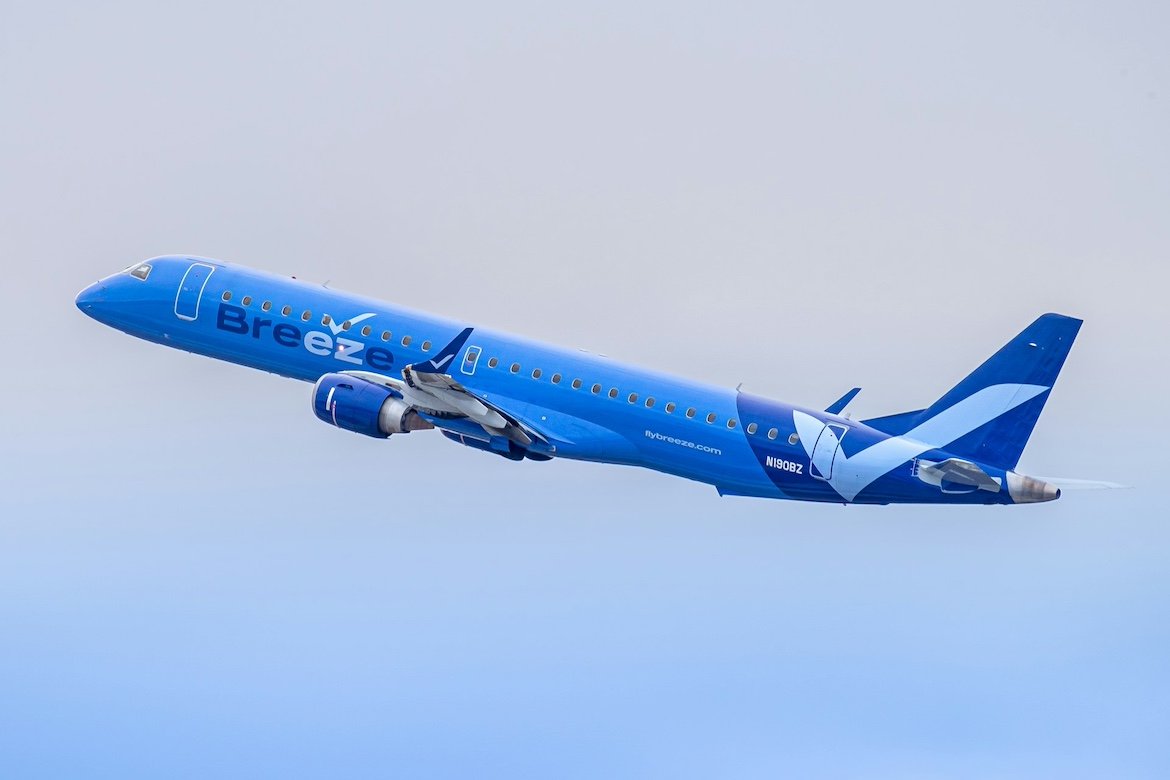
Beginning January 1, 2026, U.S. carrier Breeze Airways will introduce the first tiered elite status structure in its Breezy Rewards loyalty program, offering four distinct levels: Breezy 1, Breezy 2, Breezy 3 and the top-tier Breezy Club.
This move represents a strategic shift for the airline, which is broadening its loyalty offering by adding formalised status benefits to its existing points-based rewards system. Medium- and high-frequency flyers will now have clearer milestones and incentives beyond earning points alone.
Members of Breezy Rewards already earn BreezePoints for fares and add-ons like seat selection, baggage, and pets-in-cabin. Under the revamped design, those points now contribute toward status qualification as well as redemption value.
Achieving status opens up new perks tailored to frequent travellers: priority boarding, complimentary Wi-Fi, confirmed upgrades, bonus points, and a unique “Buddy Discount” that allows others to travel with the member on a discounted fare. The introduction of these levels makes the programme more accessible and structured for those who fly consistently with Breeze.
Here’s a snapshot of the new status tiers and key benefits:
Status Tiers & Key Perks:
Breezy 1: Earn at least 15,000 points in a qualifying year – Includes one confirmable upgrade, 25 % bonus points, free Wi-Fi.
Breezy 2: Earn between 30,000 and 59,999 points – Offers two upgrades, 50 % bonus points, priority guest support, option for Buddy Discount, bonus points or extra upgrades.
Breezy 3: Earn between 60,000 and 119,999 points – Five upgrades per year, 75 % bonus points, priority guest support, enhanced Buddy Discount.
Breezy Club: Earn 120,000+ points – Ten upgrades per year, 100 % bonus points, priority support, 100% Buddy Discount option.
As loyalty strategies evolve across the airline industry, even newer carriers like Breeze are recognising that status benefits can drive retention and differentiation. The tiered system elevates Breeze’s positioning – not solely as a low-fare operator, but as an airline offering meaningful perks to frequent flyers while maintaining its “Seriously Nice” ethos.
For members, the status path offers tangible value. Frequent travellers can now aim for elevated travel experiences, while casual flyers continue to benefit from the basic points-earning structure. Importantly, Breeze confirms that the points-earning and redemption model remains intact, with status functioning as an added layer rather than a replacement. This ensures inclusivity across flyer types.
From an operational perspective, the launch of elite status signifies maturity in Breeze’s loyalty infrastructure. The airline emphasises that existing members don’t need to take action – account numbers and point balances will carry over, and status qualification begins in the 2026 calendar year. With clear guidance on how to qualify and what benefits are unlocked, the programme reduces ambiguity for members.
Ultimately, Breeze Airways’ rollout of a tiered elite status programme in 2026 offers both symbolic and practical advancement. It aligns the carrier with wider industry norms, enhances value for frequent flyers, and reinforces the idea that brand loyalty is not just about price – it’s about recognition, access, and experience.
Hostelworld has acquired U.S. event-discovery platform OccasionGenius for $12 million, marking a strategic step beyond accommodation-booking into events and social-travel content.
By Yuliya Karotkaya
Published:
Hostelworld headquarters in Dublin as the company accelerates growth through acquisition. Photo: Hostelworld
Hostelworld has acquired U.S.-based event-discovery company OccasionGenius in a deal valued at $12 million, marking a major step in the travel group’s expansion beyond accommodation booking. The acquisition strengthens Hostelworld’s push to evolve into a broader “social travel” platform, connecting users not just to where they stay, but to what they can experience while traveling.
Based in Richmond, Virginia, OccasionGenius provides technology that curates and distributes real-time event data, from concerts and festivals to local experiences, across global destinations. By integrating this technology, Hostelworld will offer users access to curated activities directly within its platform, enriching the trip-planning process and increasing engagement among younger, experience-focused travellers.
The deal will be financed through a €10.3 million term loan, with Hostelworld maintaining its existing financial outlook for the year. While initially expected to be earnings-neutral, the acquisition is projected to add long-term value as the company leverages new revenue opportunities and data capabilities.
For Hostelworld, the move aligns with its mission to position itself as more than a booking site. The company plans to use OccasionGenius’s event database to build stronger connections between travellers and destinations, offering personalised recommendations and promoting longer stays. The integration will also enhance Hostelworld’s growing community-driven ecosystem, where users can find hostels, connect with fellow travellers, and discover what’s happening nearby – all in one platform.
Industry analysts see the acquisition as a strategic response to changing travel behaviours, with modern travellers prioritising authentic, local experiences. By incorporating events and social discovery into its core services, Hostelworld aims to stand out in an increasingly competitive travel-tech market.
The acquisition of OccasionGenius marks a natural evolution for Hostelworld as it continues to redefine the social travel experience – bringing accommodation, community, and local culture together under one digital roof.
Soarin’ is being reinvented as ‘Soarin’ Across America’ at Walt Disney Company parks, offering U.S.-themed aerial footage and immersive tech for the country’s 250-year anniversary.
By Yuliya Karotkaya
Published:
Updated:
Soarin’ Across America opening in 2026 to celebrate the U.S. 250th anniversary. Photo: Disney
Disney is preparing to launch a new chapter of one of its most beloved attractions with Soarin’ Across America, set to open in summer 2026 at both Disneyland Resort in California and Walt Disney World Resort in Florida. The updated experience will take guests on a breathtaking aerial journey across the United States, celebrating the nation’s natural beauty and cultural landmarks in honor of America’s upcoming 250th anniversary.
A Nationwide Journey of Sights, Sounds, and Scents
Replacing the global edition of Soarin’, this new version focuses entirely on American destinations. Disney Imagineers have filmed spectacular new footage spanning coast to coast, from the rugged mountains of Alaska and the sweeping deserts of Arizona to the bustling skylines of New York and Chicago. The attraction will also feature enhanced 4K projection technology, new scent effects, and a remastered soundtrack designed to heighten the sense of immersion.
The ride’s creative team emphasized that the goal was to showcase the diversity of the American landscape while maintaining the emotional storytelling that made Soarin’ a fan favorite. Each scene transition has been carefully designed to flow seamlessly from one location to the next, capturing the feeling of flight while highlighting different facets of the country’s geography and history. The film incorporates contributions from dozens of cinematographers, drone pilots, and sound engineers to ensure that every frame reflects authenticity and visual wonder.
Guests familiar with previous versions of the attraction – such as Soarin’ Over California and Soarin’ Around the World – will find familiar motion systems and seat configurations, but a completely new narrative experience. The multi-sensory journey, complete with signature fragrances representing forests, oceans, and fields, is intended to connect audiences emotionally to the places they see on screen.
A Celebration of Heritage and Innovation
“Soarin’ Across America” is part of Disney’s larger “Disney Celebrates America” initiative, a multi-year program marking the 250th anniversary of the United States. The company plans to align the launch with special entertainment, park events, and merchandise tied to this milestone. By debuting a refreshed version of Soarin’, Disney aims to pay tribute to the spirit of exploration and unity that the attraction embodies.
This reinvention also fits within Disney’s broader strategy of enhancing its existing attractions with modern technology and culturally relevant themes. As travel trends shift toward nostalgia and domestic tourism, the new Soarin’ experience gives guests a chance to rediscover familiar landscapes through a new lens. Both parks will feature synchronized launches, making it one of the most significant bi-coastal attraction updates in recent Disney history.
Behind the scenes, the project has been in development for over two years, with production teams working across multiple states to capture aerial footage using helicopters, drones, and specialized camera rigs. The end result, according to Disney Imagineers, will be a cinematic flight that celebrates America’s vastness and variety while maintaining the joyful escapism that defines Disney Parks.
When it opens in 2026, Soarin’ Across America will offer visitors not only a new way to see the country but also a reminder of how shared stories – and soaring imagination – can bring people together.
Air France has opened a state-of-the-art lounge at Chicago O’Hare International Airport, elevating its premium service for U.S. travellers.
By Yuliya Karotkaya
Published:
Updated:
Exterior of the new Air France lounge at Chicago O’Hare International Airport. Photo: Air France
Air France has officially opened a new premium lounge at Chicago O’Hare International Airport, reaffirming its commitment to delivering elevated travel experiences across its global network.
Located in Terminal 5, the new facility introduces a refined, contemporary design with expanded amenities, offering both business and leisure travellers an upgraded environment before their flight. The opening marks an important milestone for the airline, which continues to invest in premium spaces in strategic U.S. markets.
A New Benchmark for Passenger Experience
Designed to reflect the essence of modern French hospitality, the new lounge blends sophistication with practicality. Large windows allow natural light to flood the space, creating a bright and welcoming atmosphere, while soft tones, wood textures, and elegant finishes contribute to a calm, contemporary feel. The seating areas have been configured for maximum comfort, including quiet zones for relaxation and workspaces equipped with charging outlets and high-speed Wi-Fi.
Passengers can enjoy a selection of French-inspired cuisine and beverages, ranging from light snacks to freshly prepared meals, complemented by a curated wine list. Dedicated staff provide attentive service, ensuring that travellers can unwind before departure or make use of the lounge’s facilities to stay productive. The location’s proximity to boarding gates and passport control adds further convenience, reducing transit time between the lounge and flights.
For Air France, the new space is more than just a facility upgrade – it represents the airline’s broader vision of enhancing its premium service identity across the Atlantic. The lounge serves passengers flying in Business Class, as well as elite members of the Flying Blue programme and SkyTeam partners. It offers a cohesive, high-standard experience that aligns with Air France’s growing network of redesigned lounges in Paris, New York, and other international hubs.
Chicago O’Hare remains a critical gateway in Air France’s U.S. operations, connecting the Midwest to major European and global destinations. With this investment, the carrier strengthens its competitive position and reinforces its reputation as a leader in passenger comfort and design innovation. The opening also highlights the increasing importance of airport lounges as integral parts of the travel journey – spaces where airlines can differentiate themselves by offering meaningful comfort, culinary quality, and personalized service.
The new lounge embodies Air France’s core message: the journey begins long before takeoff. By creating an environment that feels both luxurious and accessible, the airline ensures that travellers passing through Chicago experience French elegance and efficiency from the moment they arrive at the terminal.
Nearly 22 million Americans are expected to take ocean cruises in 2026, marking the fourth consecutive year of growth, with the Caribbean remaining the top destination.
By Yuliya Karotkaya
Published:
Updated:
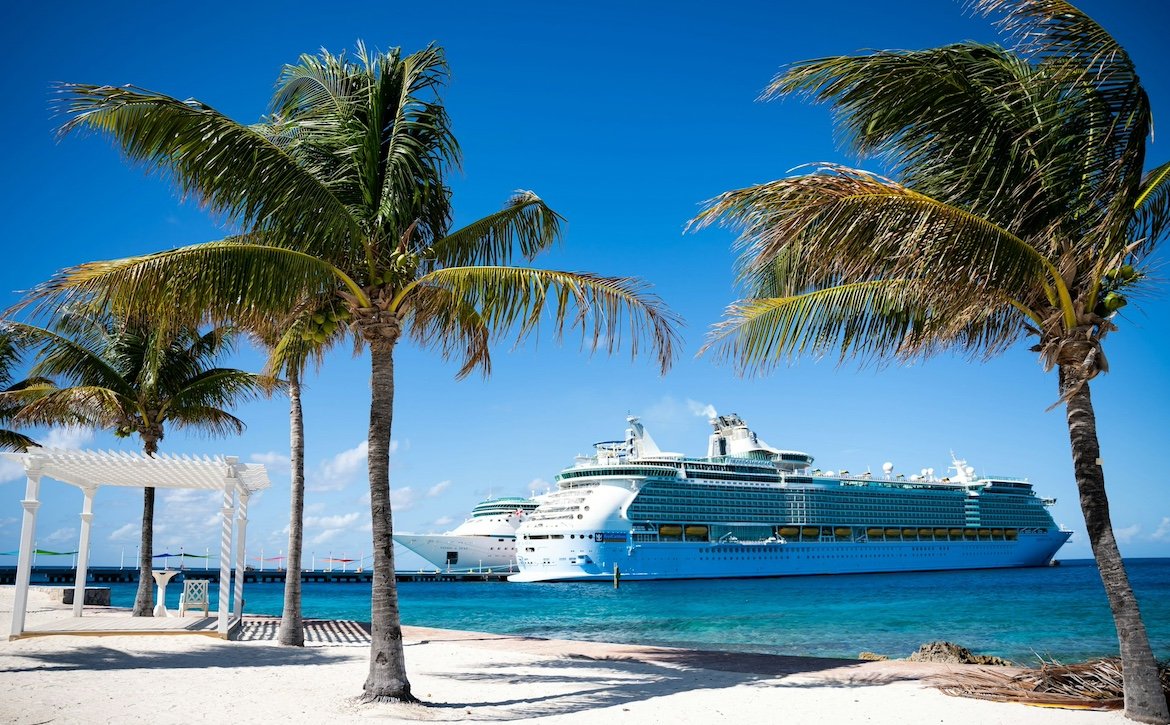
Cruise ships anchored at a tropical port, illustrating the steady rise of global cruise travel in 2026. Photo: Anju Ravindranath / Unspalsh
The cruise industry is preparing for another record-breaking year in 2026, as nearly 22 million Americans are projected to set sail on ocean cruises, according to the latest forecast by AAA and Tourism Economics. This marks the fourth consecutive year of growth for the U.S. cruise market, continuing a strong upward trajectory following the global travel rebound.
Caribbean Cruises Continue to Dominate
The Caribbean once again emerges as the undisputed leader among cruise destinations, attracting an estimated 72 percent of American cruise passengers in 2026. Its continued appeal lies in a combination of accessibility, climate, and diversity – from short weekend getaways to extended itineraries through tropical archipelagos.
Shorter cruises are one of the key factors behind the Caribbean’s sustained growth. According to AAA, demand for three-to-five-day sailings has surged, providing convenient options for both first-time cruisers and returning travelers seeking flexibility. Cruise lines benefit as well, as shorter trips allow for more frequent itineraries and higher occupancy rates.
The Caribbean’s vast range of experiences adds to its magnetic pull. Travelers can explore private islands, sample local cuisine, or unwind on pristine beaches across destinations like the Bahamas, Jamaica, St. Lucia, and the Virgin Islands. Cruise operators are also investing heavily in regional infrastructure – from upgraded terminals to new onboard experiences – to accommodate the growing wave of passengers.
Trailing behind the Caribbean, Alaska is forecast to attract 7 percent of U.S. cruise travelers in 2026, maintaining its reputation as a leading destination for adventure and scenic exploration. Its towering glaciers, wildlife encounters, and natural landscapes continue to captivate travelers seeking a once-in-a-lifetime experience. The Mediterranean, ranking third with 5 percent, offers another classic route – drawing passengers eager to experience Europe’s coastlines, from Greece and Italy to Spain and France.
Florida Remains the Hub of U.S. Cruise Departures
When it comes to embarkation points, Florida continues to be the powerhouse of the U.S. cruise industry. Miami, often called the “Cruise Capital of the World,” leads the list with 10.2 percent of total embarking and debarking passengers expected to pass through its terminals in 2026. The port’s vast connectivity and access to the Caribbean make it the busiest cruise hub globally.
Following Miami, Port Canaveral near Orlando is projected to handle 8.8 percent of passengers, while Fort Lauderdale ranks third with 5.6 percent. Together, these three Florida ports account for nearly a quarter of all U.S. cruise traffic. Galveston, Texas, secures fourth place with 4.1 percent, reflecting the growth of cruise travel from the Gulf Coast. Meanwhile, Barcelona, the only non-U.S. city in the top five, will represent 3.9 percent of passenger embarkations, solidifying its position as Europe’s premier cruise gateway.
The Future of Cruise Travel
The upward trend shows no signs of slowing. Cruise lines are expanding fleets, launching new itineraries, and investing in advanced sustainability measures to meet the evolving expectations of travelers. The industry’s focus on variety – from mini-cruises to extended world voyages – reflects a broader demand for flexible and memorable travel options.
AAA’s vice president of travel, Stacey Barber, noted that the appeal of ocean cruising lies in its balance of comfort, convenience, and exploration. Whether celebrating milestones in the Caribbean or venturing north to Alaska, travelers continue to view cruises as a rewarding and stress-free way to see the world.
As 2026 approaches, the seas look set for another historic year – one defined by record participation, destination diversity, and the enduring allure of life at sea.
Join our list to receive latest Blockchain, Crypto & Fintech news:
WordPress database error: [Table 'u752143311_aXVuj.wp_coingecko_coins' doesn't exist]
SELECT coins.*, meta.post_id as post_id
FROM `wp_coingecko_coins` coins
INNER JOIN wp_postmeta meta ON (meta.meta_key = 'wpcf-coin-main-tag' AND meta.meta_value = coins.slug )
ORDER BY market_cap_usd
DESC LIMIT 9