Airline delays continued to shape the global travel experience in 2025, with new data highlighting just how much time passengers collectively spent waiting on aircraft.
According to a report released by flight-tracking app Flighty, travelers worldwide lost an extraordinary amount of time due to late departures, congestion, and ground delays, underscoring how fragile airline schedules remain even as travel demand stays strong.
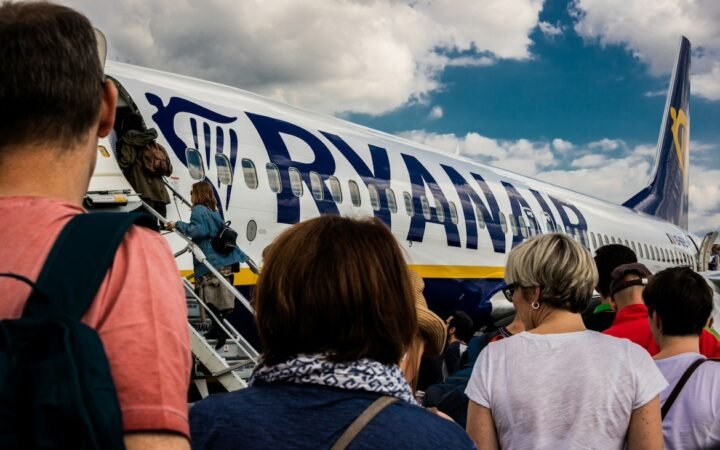
After analyzing data from more than 22 million flights globally, Flighty found that nearly one in three flights operated by some major carriers arrived late this year. Ryanair topped the list as the world’s most delayed airline, with 29 percent of its flights arriving behind schedule. EasyJet and Air France followed closely, each also recording delays on 29 percent of their services.
While the percentages were similar, Ryanair’s massive scale meant it was responsible for the greatest total volume of delayed passenger hours.
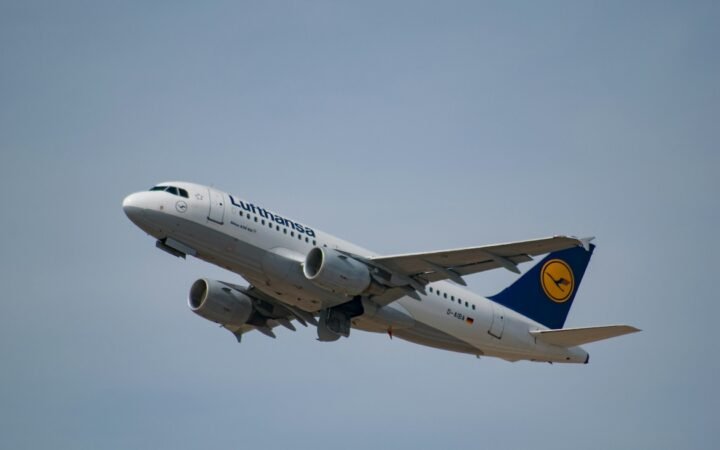
Other major carriers rounded out the top of the rankings. U.S.-based ultra-low-cost airline Frontier placed fourth, with 28 percent of flights delayed, followed by Lufthansa and Qantas at 26 percent each. The remainder of the top ten included KLM, Air Canada, JetBlue, and Southwest Airlines, all of which saw delays affecting roughly a quarter of their flights throughout the year.
How Delays Added Up to Years of Waiting
Beyond simple arrival statistics, Flighty examined what happens after planes land. The analysis looked at the gap between a flight touching down and passengers actually reaching the gate. Factors such as runway queues, taxiway congestion, crew availability, equipment issues, and weather-related restrictions contributed significantly to extended wait times.
The findings revealed that about 30 percent of all flights experienced additional delays after landing. When totaled globally, those minutes amounted to roughly 1.4 million hours of waiting time, the equivalent of 161 years spent sitting inside aircraft. Flighty described this metric as capturing the most frustrating moments of air travel, when passengers are technically at their destination but still stuck onboard.
The Financial Cost of Being Late
Delays are more than just an inconvenience; they also carry a substantial economic impact. Research cited by aviation authorities shows that air traffic control delays alone cost airlines and passengers billions each year. In Europe, delays tied specifically to air traffic management were estimated to have cost around $6.8 billion between late 2024 and October 2025, affecting everything from missed connections to crew scheduling and aircraft utilization.
For travelers, delays can lead to missed meetings, lost vacation time, and additional out-of-pocket expenses. For airlines, persistent delays strain operations, increase fuel burn, and erode customer trust. While some causes, such as weather, remain unavoidable, the data highlights ongoing challenges in managing crowded airspace and airport infrastructure.
As global travel volumes continue to rise, the 2025 rankings serve as a reminder that punctuality remains one of the airline industry’s toughest problems to solve – and one that directly shapes how passengers experience flying.