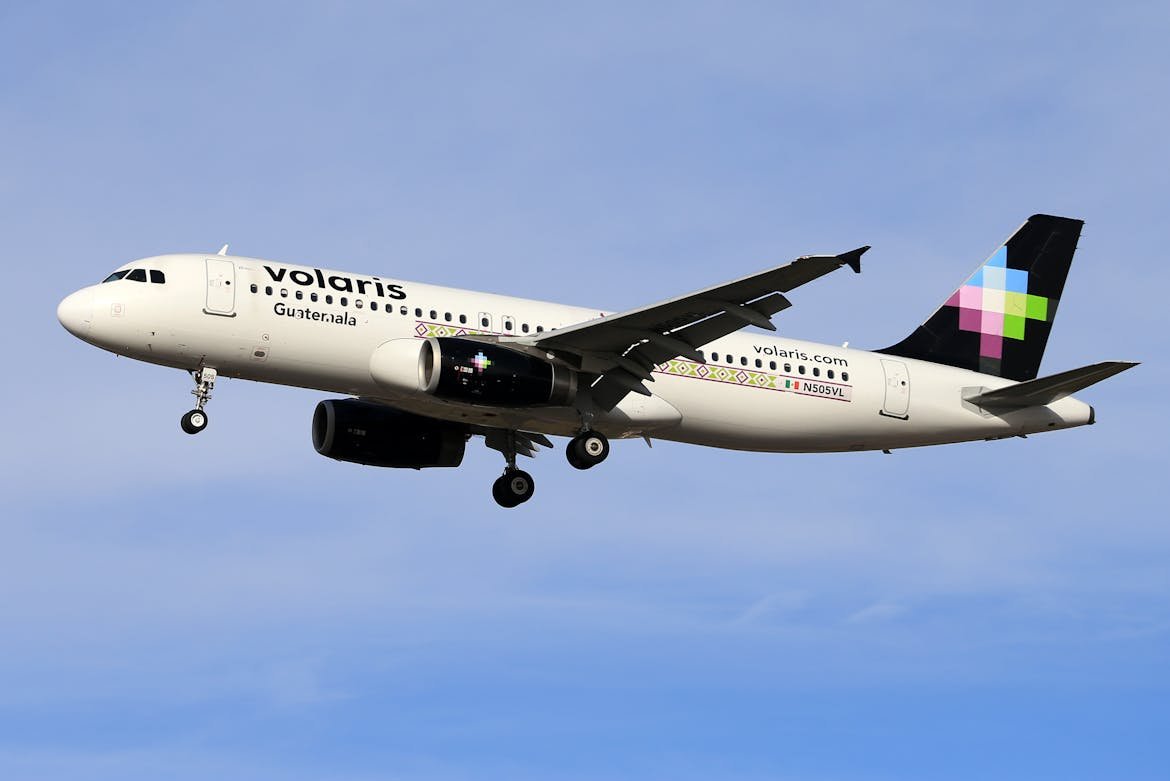
Mexico’s aviation sector could be heading for its most significant transformation in years after low-cost giants Volaris and Viva Aerobus announced plans to combine under a newly created holding company.
Revealed just ahead of the Christmas period, the proposed transaction immediately caught the attention of regulators, investors, and competitors alike, signaling a potentially seismic shift in how air travel is structured in the country.
If approved, the deal would bring together the two largest budget carriers in Mexico under a single corporate umbrella while allowing each airline to continue operating independently.
Under the proposal, the companies would form a new parent entity known as the Mexican Airline Group, structured as a merger of equals. Volaris and Viva would retain their individual brands, leadership teams, operating certificates, and day-to-day operations.
The goal, according to the companies, is not to erase competition between the two airlines but to create a stronger combined platform capable of competing more effectively with Mexico’s full-service flag carrier, Aeromexico, as well as with international airlines expanding their presence in the region.
Ownership of the new holding company would be split evenly, with shareholders from each airline receiving a 50% stake on a fully diluted basis. While specific financial terms have not been fully disclosed, the structure suggests a carefully balanced arrangement designed to avoid a traditional acquisition narrative.
This approach may help ease concerns from regulators wary of excessive market concentration, though antitrust scrutiny is expected to be intense given the scale of the combined operation.
Together, Volaris and Viva account for a substantial share of Mexico’s domestic air traffic and have been instrumental in driving the growth of low-cost travel across the country. Their combined networks span major business hubs, leisure destinations, and secondary cities that have benefited from expanded air access over the past decade.
A unified holding structure could allow for better coordination in areas such as fleet planning, aircraft procurement, maintenance, and back-office functions, potentially delivering cost efficiencies without altering the consumer-facing experience.
The announcement also reflects broader pressures facing airlines globally, including rising costs, intense fare competition, and the need for scale to remain profitable. For Mexico’s low-cost sector, the merger could mark a turning point, shifting the competitive dynamic from fragmentation toward consolidation.
At the same time, questions remain about how regulators will assess the impact on fares, route availability, and consumer choice.
Approval is far from guaranteed, and the review process is likely to be lengthy and complex. Regulators will examine whether the deal could reduce competition on key routes or disadvantage travelers in price-sensitive markets. Still, the companies appear confident that preserving separate brands and operations will help address these concerns.
If cleared, the Volaris-Viva combination would not only redefine Mexico’s airline landscape but also stand as one of the most consequential aviation deals in Latin America in recent years.