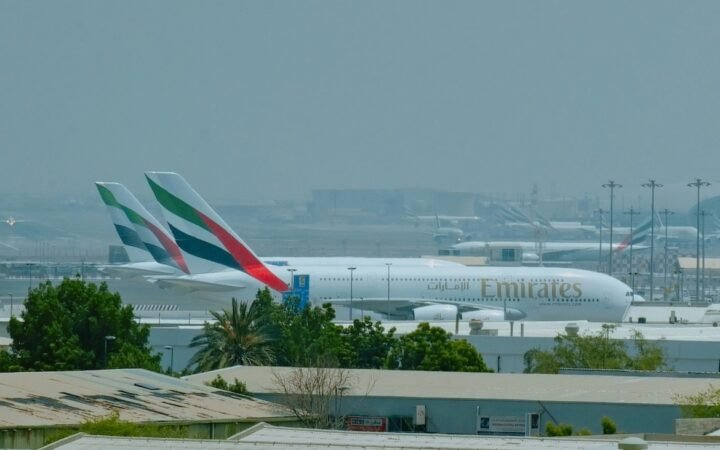
The ongoing U.S. government shutdown has entered its second week, and one of its most immediate effects is being felt in the skies. Air traffic control staffing has become stretched to the breaking point, with many controllers working without pay or under mandatory overtime. The result has been mounting flight delays across major airports, leaving travelers frustrated and raising concerns about safety and efficiency in the air travel system.
Industry observers note that while government shutdowns have previously created disruptions, the situation in 2025 is particularly acute. Air traffic control is already an area facing long-term staffing shortages, and the absence of funding and training during this shutdown has only magnified the problem.
Impact on Travelers and Airlines
Airports from New York to Los Angeles have reported delays lasting hours, with ripple effects felt across connecting flights nationwide. Some airlines have been forced to cancel services outright due to insufficient air traffic management capacity.
Passengers caught in the disruption are experiencing extended layovers, missed connections, and, in many cases, additional costs for rebooking. For airlines, the financial impact of grounded planes and disrupted schedules is significant. Analysts suggest that if the shutdown continues, the losses could run into the hundreds of millions of dollars, straining an industry that has already faced turbulent years of recovery.
The Federal Aviation Administration (FAA) is attempting to keep essential services operational, but its ability to train new staff or maintain long-term projects has been halted. This not only affects current travel but also sets back efforts to modernize air traffic control, creating concerns about how quickly the system can recover once the shutdown ends.
A Strain on Tourism and the Wider Economy
The travel sector is particularly vulnerable to prolonged political deadlock. Fewer reliable flight options mean that both domestic and international visitors face uncertainty in their plans. This could discourage tourism at a time when many U.S. destinations rely on strong fall and holiday travel seasons.
Industry groups are urging swift resolution, warning that the damage to consumer confidence could outlast the shutdown itself. With millions of Americans traveling for work, leisure, or family reasons each week, the consequences ripple far beyond airports into the broader economy. Hotels, restaurants, and attractions also feel the downturn when travelers are unable to reach their destinations on time.
We have already highlighted these risks in our earlier coverage of how the U.S. shutdown threatens flights, national parks, and tourism as a whole. The current crisis in air traffic control is a direct extension of those warnings, showing how interconnected the travel ecosystem is with government operations.
Long-Term Concerns
If the shutdown persists, experts predict even more severe impacts. Training programs for new air traffic controllers remain frozen, worsening the staffing pipeline for years to come. Pilots and airline unions have raised safety concerns, arguing that overworked controllers may not be able to manage the demands of peak traffic.
For now, travelers are advised to monitor flight status carefully, build in extra time for delays, and remain flexible in their itineraries. While airlines are doing their best to adjust, much depends on political negotiations in Washington.
The shutdown has made one fact abundantly clear: reliable air travel requires stable government support. Without it, the entire U.S. travel system – from airports to tourism businesses – becomes vulnerable to the turbulence of political gridlock.