The United States has issued its most severe travel warnings for multiple Middle Eastern countries as tensions surrounding military operations in Iran continue to intensify.
Following the launch of coordinated U.S. combat actions, the State Department moved Iran and Iraq to “Level 4: Do Not Travel,” its highest advisory classification, while urging Americans worldwide – and especially those in the region – to exercise heightened caution.
In a global caution notice issued February 28, the State Department said Americans may face travel disruptions due to periodic airspace closures and rapidly evolving security conditions.
Officials advised U.S. citizens to monitor the latest alerts from nearby embassies and consulates and to enroll in the Smart Traveler Enrollment Program (STEP) to receive real-time updates.
What Level 4 Means for Travelers
Level 4 is the most serious advisory the State Department can issue and instructs Americans not to travel to a country “for any reason.” In the case of Iran, the warning carries additional weight because the United States has no embassy presence there, limiting direct assistance for citizens. Americans in Iran have been advised to shelter in place.
Iraq also remains under Level 4 status, with guidance urging citizens to limit movements and shelter in place as needed. Lebanon is similarly classified at Level 4, with specific instructions for Americans to depart immediately using commercial options if available.
Several other countries in the region have been placed under Level 3 – “Reconsider Travel” – including Bahrain, Israel, Kuwait, Pakistan, and Qatar. In many of these locations, shelter-in-place advisories are active. Pakistan’s alert also advises Americans to avoid large gatherings amid reports of demonstrations and unrest near diplomatic facilities.
Countries including Egypt, Jordan, Oman, Saudi Arabia, and the United Arab Emirates are listed at Level 2, meaning travelers should exercise increased caution. However, even within these countries, certain areas are under shelter-in-place guidance due to missile and drone threats.
Shelter-in-Place Orders and Airport Closures
Security alerts from U.S. embassies across the region have urged Americans to remain indoors, avoid windows, and seek hardened shelter during sirens or explosions. In some Gulf states, airspace remains closed, and flight operations have been suspended indefinitely. U.S. personnel in certain countries have been authorized to depart due to safety risks.
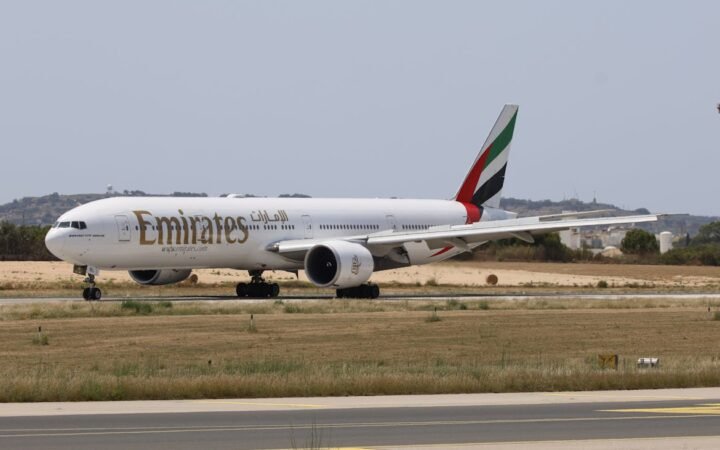
Embassies in Bahrain, Kuwait, Oman, Jordan, and the UAE have instructed Americans to shelter in place until further notice. Meanwhile, widespread airport shutdowns have compounded uncertainty, with thousands of flights canceled across major hubs including Dubai, Abu Dhabi, and Doha.
A Rapidly Evolving Situation
The advisory changes come amid expanded military activity and heightened retaliatory threats in the region. U.S. officials have described ongoing operations as aimed at dismantling Iranian security capabilities, while warning that conditions may remain unstable in the near term.
The State Department emphasized that a Level 4 advisory does not automatically trigger evacuations but signals the highest level of concern regarding safety risks. Americans abroad are encouraged to stay connected with consular services and monitor official channels for updates.
As geopolitical tensions continue to shift, the combination of travel advisories, airspace disruptions, and regional security alerts underscores the growing volatility affecting both residents and international travelers across the Middle East.