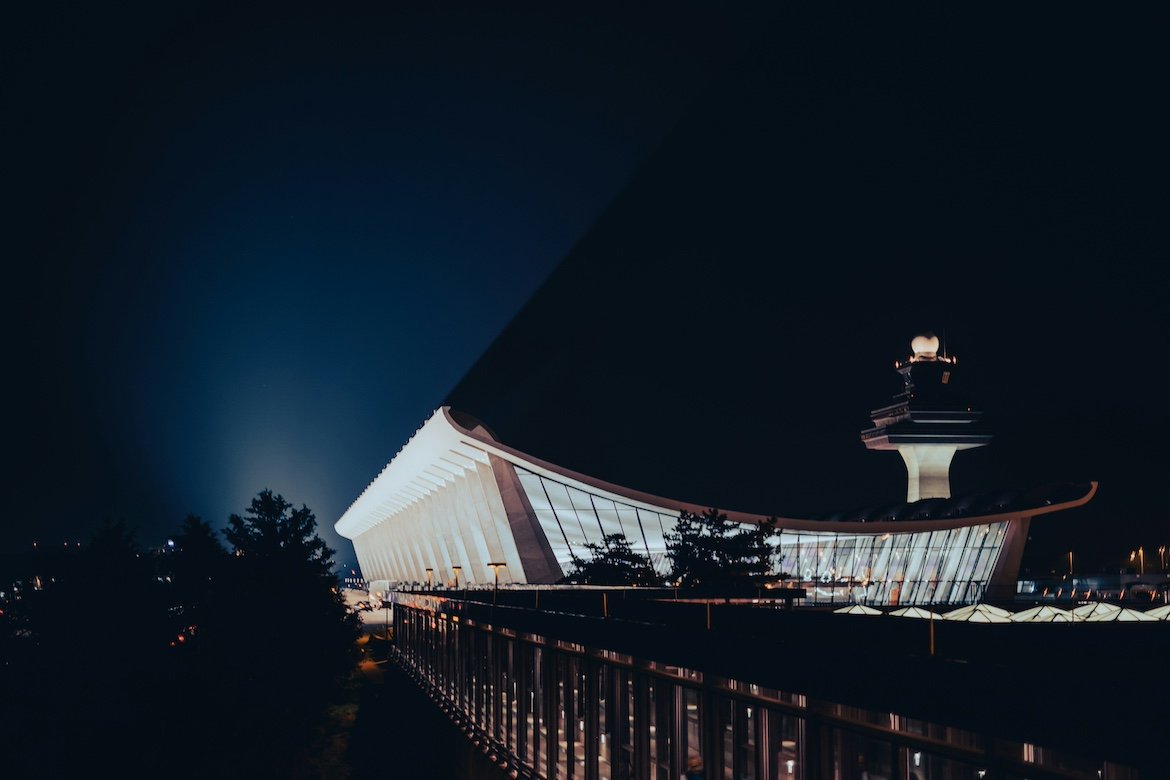

The Trump administration has unveiled an expansive initiative to transform Washington Dulles International Airport into a modern and efficient global gateway.
Announced by U.S. Transportation Secretary Sean P. Duffy, the effort invites developers, architects and engineers to propose designs for fully new terminals and concourses, signaling one of the most significant federal aviation redevelopment moves in years.
The plan reflects a belief that the current facilities do not represent the stature of the nation’s capital, despite ongoing projects by the Metropolitan Washington Airports Authority.
Officials point to outdated concourses, limited gate capacity and the long-criticized “mobile lounge” system as core issues. The mobile lounges, which transport passengers between terminals and gates, have faced multiple safety incidents, highlighting concerns about their long-term viability. While MWAA already has a $7 billion plan underway, the Department of Transportation argues that a far more comprehensive rebuild is needed to achieve a world-class standard.
President Trump has called Dulles a “bad airport” with a good building but poor functionality, noting a desire to create a more seamless and globally competitive travel experience.
A Push for Modernization and Private-Sector Collaboration
The initiative calls for public-private partnership proposals through a newly issued Request for Information. The submissions will help guide the design, financing and execution of a sweeping redevelopment that could include replacing the historic Eero Saarinen terminal or significantly modifying it. Once the proposals are reviewed, USDOT intends to work closely with MWAA to integrate viable concepts into the airport’s long-term plan.
The announcement comes as Dulles undergoes its own modernization efforts, including a 14-gate concourse scheduled to open next year with direct access to the AeroTrain system. Still, officials argue the airport needs a more complete reimagining to handle future demand. Dulles currently serves around 27 million passengers annually, with long-term plans to accommodate up to 90 million travelers and more than 200 gates.
Major stakeholders, including United Airlines, which operates a significant hub at Dulles, have expressed interest in collaborating on infrastructure improvements. Aviation experts, however, are divided. Some caution that air traffic control modernization should remain a higher national priority, while others agree that Dulles must address its outdated people mover system and overall passenger experience.
Despite differing perspectives, the administration’s push marks a decisive step toward reshaping the capital’s international airport. The redevelopment effort seeks to create an efficient, visually iconic and globally competitive facility that can meet both current needs and long-term growth. As proposals begin to arrive, the future of Dulles is poised for significant change, setting the stage for a potential transformation of travel into the heart of Washington, D.C.