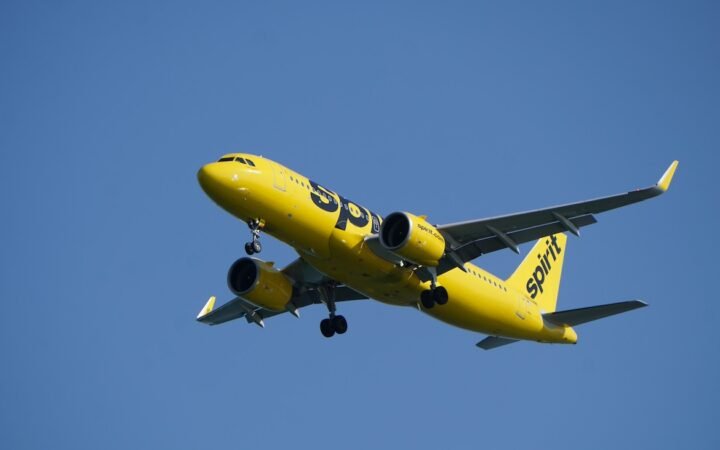
Spirit Airlines has entered Chapter 11 bankruptcy protection for the second time in under a year, signaling a renewed effort to restore fiscal stability. After emerging from its first restructuring in March, the ultra-low-cost airline has once again faced financial distress, citing billions in lingering debt, weak domestic demand, and unsustainable operations as driving forces behind the new filing.
Root Causes and Restructuring Measures
In the wake of its second bankruptcy announcement, Spirit’s stock value plummeted, reflecting stark investor concern. Last quarter, the company reported a staggering net loss approaching $246 million and warned that, without immediate action, it may not survive another year.
Despite recapitalizing earlier in the year and converting nearly $800 million in debt into equity, the airline was saddled with over $2 billion in liabilities and burdensome aircraft lease obligations that were not renegotiated under the previous restructuring.
To navigate this challenging terrain, Spirit’s board has pledged to execute a comprehensive overhaul of its operations. Plans include sharply reducing fleet size to align with demand, exiting underperforming markets, and realigning its route network toward profitability.
In parallel, the airline intends to expand its premium travel offerings, diversify fare structures, and enhance margins. Strategic partnerships – including merger discussions or asset divestments – remain under consideration, with Frontier Airlines reportedly increasing its presence in Spirit’s weakened markets.
Throughout the transition, Spirit assures travelers that its flights will continue uninterrupted, along with ticketing services, loyalty benefits, and employee benefits. The Chapter 11 process allows operations to continue as usual while the company reorganizes.
Human and Competitive Impacts
Spirit’s financial peril has already rippled through its workforce. The airline has slated approximately 270 pilots for furlough and plans to demote about 140 captains to first officer roles, aligning staffing with expected lower flight volumes. These changes will take effect later this year and into early 2026.
The wider ultra-low-cost carrier sector will also feel the effects. Competitors such as Frontier, Southwest, and even some major carriers have already stepped in with targeted route expansions and marketing tactics designed to capture price-sensitive customers. If Spirit ultimately fails to regain stability, industry observers warn that travelers may face fewer ultra-budget choices and higher fares overall.
For Spirit, this second bankruptcy filing marks not just a setback – but a recalibrated opportunity. By harnessing a court-supervised restructuring process, the airline hopes to shed legacy operational inefficiencies, optimize routes and staffing, and redefine its brand – not just as the cheapest, but as a better value. Whether this gamble finds traction or further erodes traveler confidence remains to be seen.
Related Context on Spirit’s Struggles
This is not the first sign of turbulence for Spirit in 2025. Earlier this year, the airline issued a stark going concern warning, raising doubts about its ability to continue operations without significant financial restructuring. That announcement underscored just how fragile the company’s position had become.
At the same time, Spirit’s first bankruptcy and restructuring attempt revealed how difficult it is to fix deep structural problems in the ultra-low-cost model. Both developments set the stage for the current Chapter 11 filing, highlighting a pattern of urgent corrections that have yet to deliver lasting stability.
By looking at these earlier warnings and failed attempts at restructuring, it becomes clear that the airline’s latest filing is not an isolated event, but part of an ongoing struggle to reinvent itself in an increasingly competitive market. For travelers and investors alike, understanding this broader timeline is key to making sense of Spirit’s uncertain future.