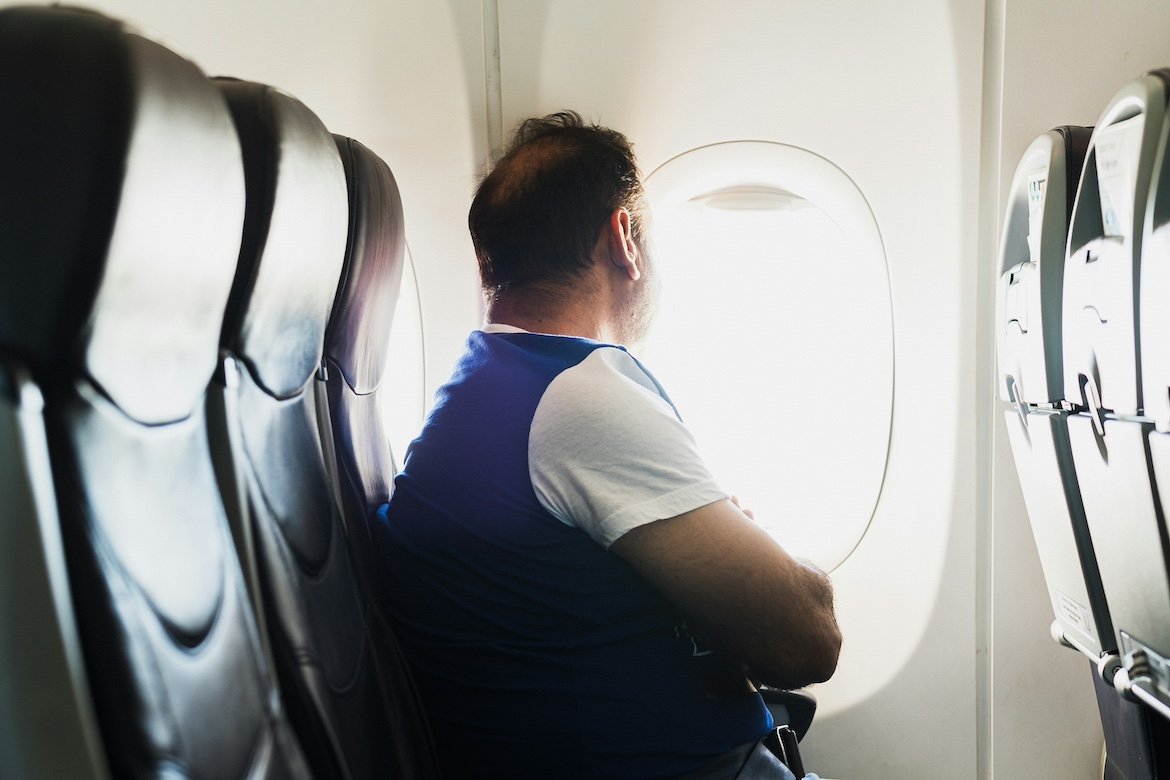
Southwest Airlines is preparing to overhaul its long-standing accommodation for plus-size passengers by revising the “customer-of-size” policy that had set it apart from competitors. Beginning January 27, 2026, customers who require more space than a single seat allows will be required to purchase a second adjacent ticket at the time of booking. While refunds remain possible, they will be subject to stringent conditions – marking a significant shift in how the airline supports plus-size travelers.
What’s Changing and Why
The old policy allowed plus-size passengers to request an extra seat at the boarding gate or purchase one in advance, with the cost refunded in nearly all cases – regardless of whether the flight was full.
That open policy will be replaced by a more rigid system: the extra seat must be purchased in advance, with refunds only granted if the flight is not sold out and both tickets are booked in the same fare class, and a claim is filed within 90 days of travel. Flights booked without the additional seat may leave travelers facing gate agents demanding payment at much higher walk-up fares or being rebooked on another flight.
This change aligns with Southwest’s broader transition from open seating to assigned seating, a move intended to streamline boarding and boost operational efficiency. In recent months, the airline has also ended its iconic “bags fly free” policy, introduced checked baggage fees, and rolled out Basic Economy fares – each decision aimed at increasing profitability under pressure from investors.
Impact on Plus-Size Travelers and Brand Perception
For many plus-size customers, Southwest’s inclusive seating approach had been a rare example of practical empathy in airline policy. Advocacy groups and affected travelers view the new changes as a step backward toward exclusion. Some have even expressed worry that the financial burden and uncertainty surrounding refunds could lead them to avoid flying altogether or switch carriers – a striking shift for an airline long celebrated for accessibility.
Critics also note the emotional toll. The previous policy gave passengers peace of mind that they could arrange for a second seat when needed. Now, with refunds no longer guaranteed, the risk of paying for two fares without assurance looms large. Frequent travelers of size have already shared personal stories of increased stress over the added expense and logistical uncertainty.
Moreover, the policy alters the airline’s identity. Southwest’s reputation for customer-focused, inclusive practices relied heavily on perks like open seating, extra-seat accommodations, and free baggage. The removal of these features signals a pivot toward policies more common among mainstream carriers – raising questions about brand differentiation and customer loyalty.