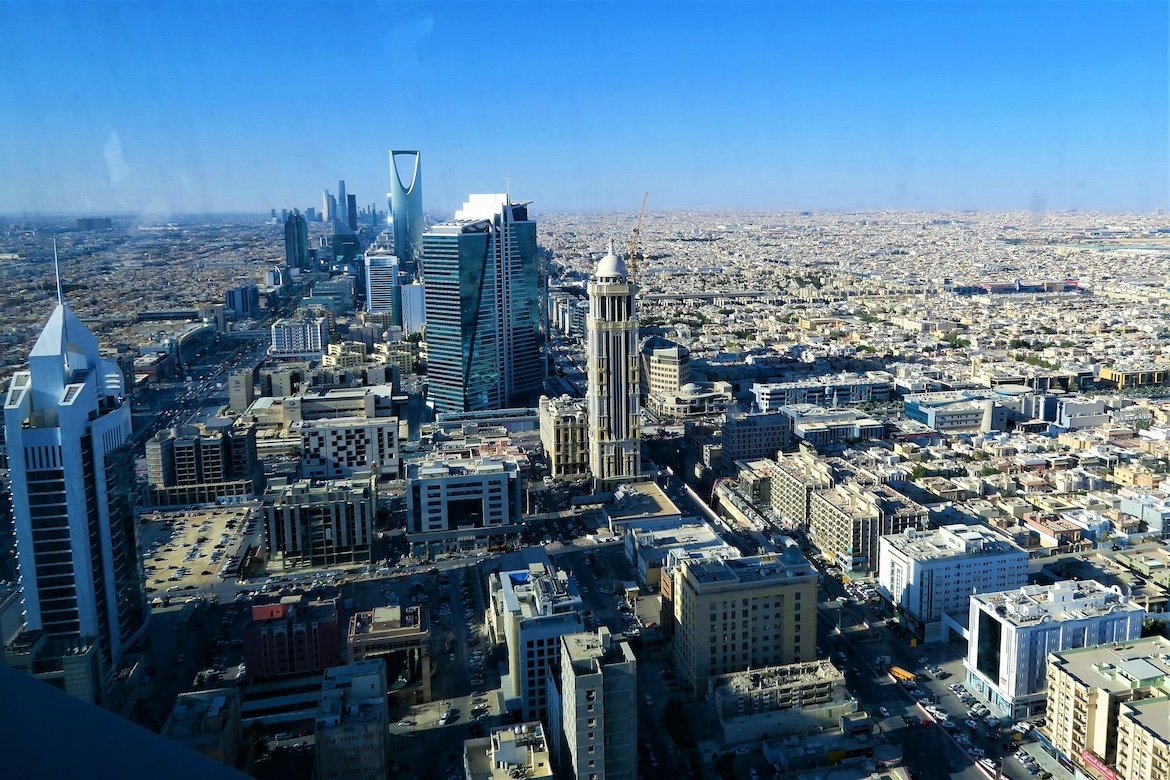
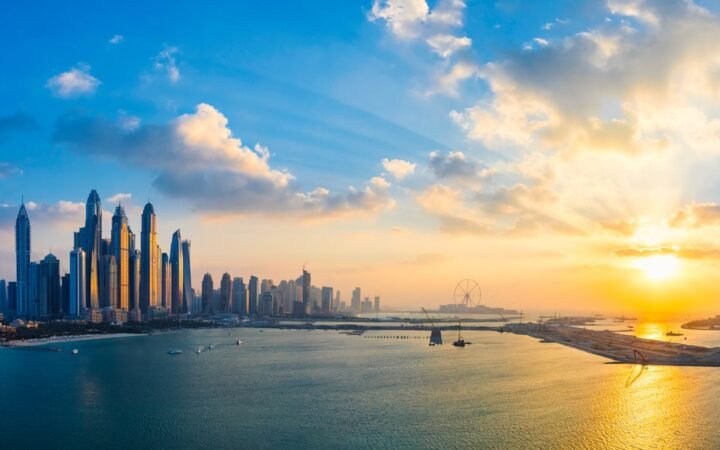
Saudi Arabia and Qatar have signed a landmark agreement to build a high-speed electric passenger railway linking their capitals, marking one of the most significant milestones in the renewed relationship between the two Gulf nations.
Announced in Riyadh during the visit of Qatar’s Emir Sheikh Tamim bin Hamad Al Thani, the deal represents a pivotal moment in regional connectivity and diplomatic cooperation. The project will create a fast, modern corridor between Riyadh and Doha, further strengthening ties that have been steadily improving after years of political tension.
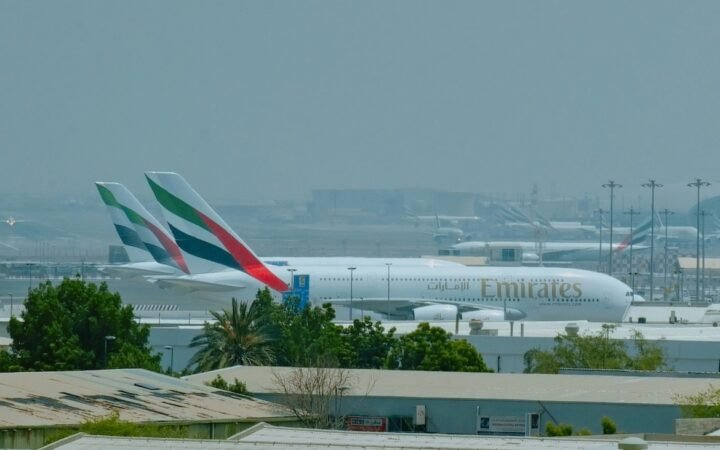
According to official statements, the new high-speed line will allow trains to exceed 300 kilometers per hour, completing the journey between the two capitals in roughly two hours. This positions rail travel as a competitive alternative to the current 90-minute flight, offering a sustainable and convenient option for millions of passengers.
The network will also serve major Saudi cities such as Al-Hofuf and Dammam, expanding its role beyond bilateral travel and integrating more of the eastern region into a shared Gulf transportation vision.
The project is expected to be completed within six years and aims to accommodate up to 10 million passengers annually. Such capacity reflects the growing demand for seamless mobility across the Gulf and aligns with broader regional development strategies, including Saudi Arabia’s Vision 2030 and ongoing Qatari efforts to diversify their economy beyond energy.
The partnership highlights not only infrastructure ambitions but also the deepening political trust between the two nations. Just a few years ago, this level of collaboration would have seemed unlikely. In 2017, Saudi Arabia, the United Arab Emirates, Bahrain, and Egypt severed diplomatic and transport ties with Qatar, accusing Doha of supporting extremist groups and aligning too closely with Iran.
Qatar firmly rejected the allegations, and relations remained strained until early 2021, when the AlUla summit officially restored diplomatic ties. Since then, both countries have made significant efforts to rebuild cooperation, with high-level visits, coordinated diplomatic positions, and shared regional initiatives helping to reset relations.
The new rail agreement is seen as a culmination of this diplomatic thaw, reflecting a shift from cautious rapprochement to proactive collaboration. Leaders from both countries have continued to meet regularly, supporting joint mediation efforts and presenting a united front on key regional issues. Recent cooperation included coordinated calls for a ceasefire in Gaza and support for Qatar following heightened regional tensions.
The high-speed rail project symbolizes a long-term commitment to partnership, with economic and social benefits that extend far beyond transportation. Faster movement of people and goods is expected to stimulate tourism, business travel, and cross-border investment, strengthening the Gulf as an interconnected economic bloc.
For residents and travelers, the future Riyadh–Doha high-speed link represents a transformative leap in mobility. For the region, it stands as a powerful testament to what renewed trust and cooperation can achieve. As construction begins, the railway promises to become one of the Gulf’s most significant modern infrastructure achievements, reshaping connectivity and reinforcing stability in a rapidly evolving Middle East.