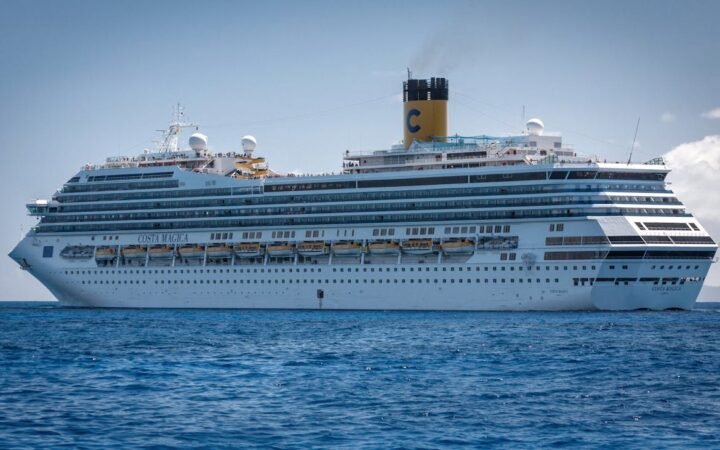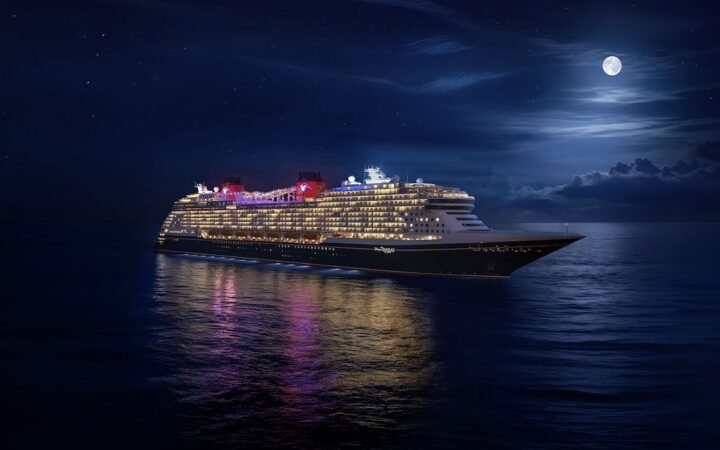
Royal Caribbean has confirmed that it will not resume cruise ship visits to Labadee, its private destination in Haiti, through the end of 2026, significantly extending a pause that has already been in place for much of the past two years.
The decision reflects the cruise line’s continued caution as security conditions in Haiti remain unstable, with escalating violence and persistent travel warnings issued by U.S. authorities.
The cruise line said the move was made “out of an abundance of caution” and that guests booked on affected sailings have already been notified directly. Royal Caribbean had previously planned to resume visits to Labadee after April 2026, but the updated timeline pushes any potential return back by at least another eight months.
Haiti is currently listed under a Level 4 “Do Not Travel” advisory by the U.S. State Department, its highest warning level, due to kidnapping risks, violent crime, civil unrest, and limited access to health care.
Royal Caribbean ships last called at Labadee during the first quarter of 2025, following an earlier suspension in 2024. Since then, worsening conditions in the country have prompted repeated reassessments of the port’s viability, ultimately leading to the decision to keep Labadee off itineraries through the entirety of 2026.
Impact on Itineraries and the Caribbean Cruise Market
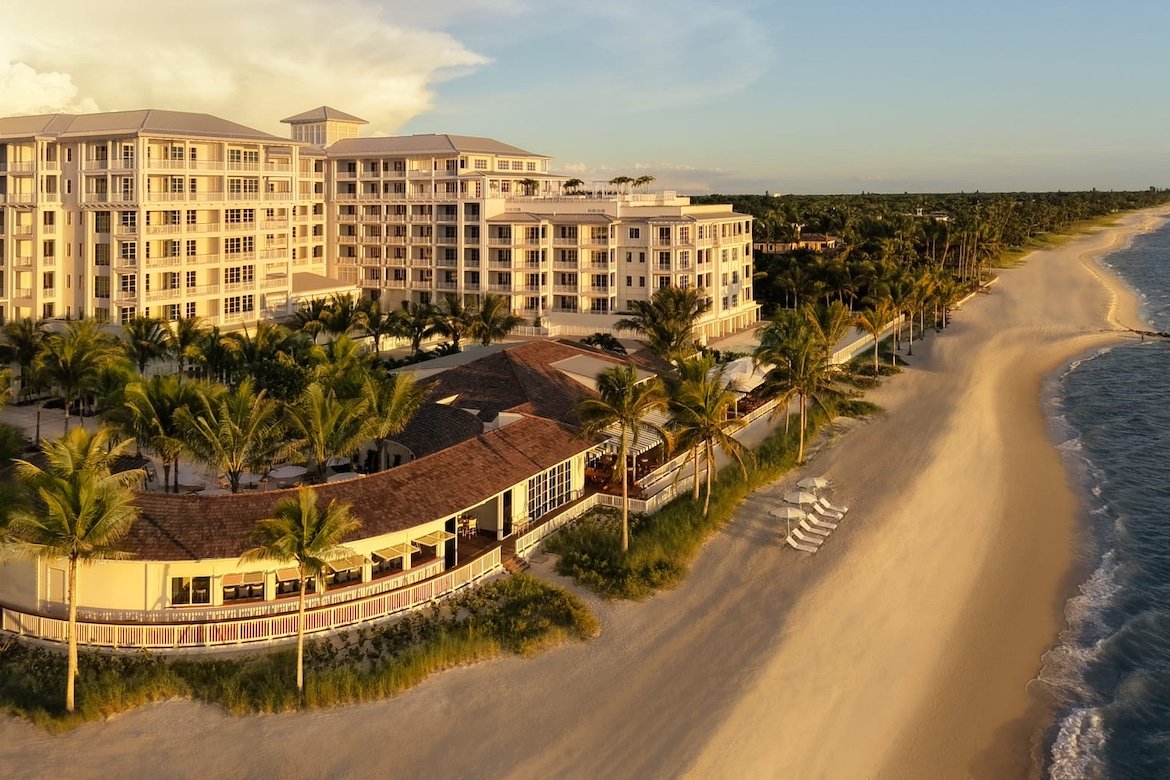
Labadee has long been a distinctive feature of Royal Caribbean’s Caribbean itineraries. The cruise line leases the coastal enclave, which operates separately from the surrounding communities and includes private beaches, water activities, a zip line, cabanas, and a dedicated security presence. Despite its controlled environment, Royal Caribbean has emphasized that broader instability in Haiti makes continued operations untenable at this time.
As the only major cruise operator that calls on Haiti, Royal Caribbean now faces the task of reshaping itineraries that once relied on Labadee as a marquee stop. Travel advisors have been provided with alternative port options, including Nassau in the Bahamas, Grand Turk in the Turks and Caicos Islands, and Cozumel in Mexico. These destinations offer established infrastructure and a sense of familiarity for travelers seeking reassurance amid ongoing regional uncertainties.
The extended suspension also highlights a broader trend in the cruise industry, where geopolitical and security developments increasingly influence route planning. Cruise lines are under pressure to balance unique destination offerings with the expectation of safety and predictability from passengers. In the Caribbean, where itineraries are often planned years in advance, prolonged disruptions can have ripple effects across deployment strategies and port partnerships.
For Haiti, the absence of cruise calls further underscores the severe impact of instability on tourism-related economic activity. While Labadee operates as a largely self-contained destination, its closure still symbolizes the country’s growing isolation from international leisure travel.
For Royal Caribbean, the decision reinforces a cautious approach that prioritizes guest and crew well-being, even if it means sidelining one of its most distinctive private destinations for an extended period. Any return to Labadee, the company has indicated, will depend on meaningful improvements in safety and security conditions.