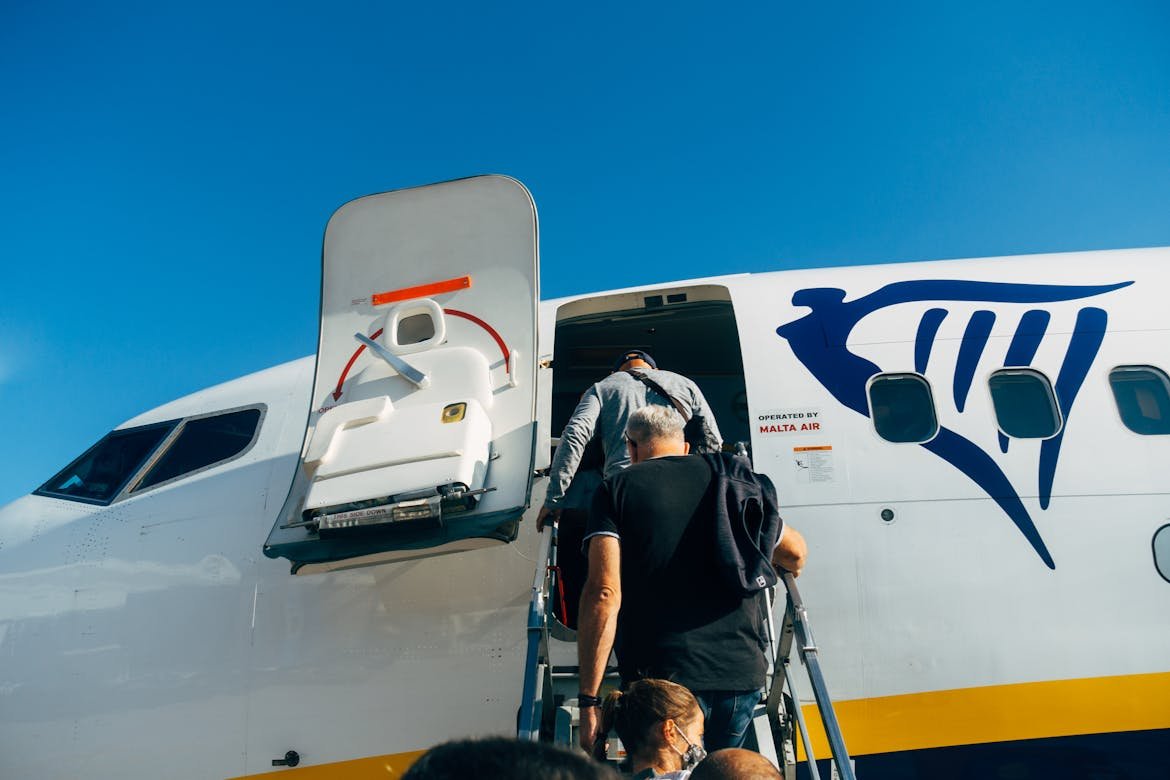

Portugal’s aviation regulator has issued a clear warning to European budget airline Ryanair: passengers with printed paper boarding passes cannot be refused boarding. The move comes as Ryanair steps up its digital-only boarding pass policy and phases out traditional printed passes.
The Portuguese aviation authority emphasized that under national regulations, rejecting passengers who arrive with legitimate paper passes constitutes unfair treatment and could prompt sanctions. The announcement is the latest in a growing trend of regulatory pushback as airlines transition toward digital boarding and travelers learn to adapt.
Ryanair’s Digital Shift and Regulatory Pushback
Ryanair began preparing for a fully paperless boarding process, citing efficiency gains and cost-savings. The airline’s app already allows travelers to check-in online and access mobile boarding passes via smartphone.
Ryanair argues that in the modern age of smartphones this step helps reduce waste, streamline boarding, and lower airport processing costs. However, the airline’s policy has triggered concerns among passenger rights advocates and regulators. Portugal’s regulatory body pointed out that while the airline is free to promote app-based boarding, it cannot force passengers to use digital passes or penalize those who prefer or need to use a printed version.
The authority noted that especially for some passengers – those with no access to or familiarity with smartphone apps – paper passes remain a valid and protected form of boarding document.
Impacts for Travelers and Airlines
For air travelers flying into or departing from Portugal, the regulator’s decision provides reassurance. Whether they have checked in online and printed their boarding pass, or later changed devices, they can expect fair treatment and boarding access as long as all other ticketing requirements are met.
That means less uncertainty for passengers who prefer a printed copy or may face smartphone issues such as battery drainage or lack of internet. From the airline side, Ryanair now faces a mix of digital ambition and legal obligation. While its global strategy emphasizes smartphone-based boarding, the carrier must adjust operations and customer service in Portugal – and potentially other regions if similar rulings arise – to maintain compliance.
Industry observers suggest the broader challenge goes beyond Portugal. As airlines push forward with digital solutions across Europe and beyond, regulations and passenger protections may slow their rollout. Some national authorities are likely to clarify rules to protect passengers who cannot or prefer not to use mobile‐only boarding. For Ryanair and other carriers, the balance between cost-efficiency and inclusive access is becoming a critical operational axis.
In the short term, Portugal’s warning may slow Ryanair’s transition to paperless boarding in that market and serve as a signal to other regulators. For air travelers, the message is clear: arriving at the gate with a legitimate paper pass remains a safe option – at least in Portugal. As airlines continue to evolve boarding procedures, passengers and regulators alike will be watching how fairness, accessibility, and innovation are balanced in the skies.