The ongoing conflict involving Iran is inflicting significant financial damage on the Middle East’s travel and tourism sector, with the region losing an estimated $600 million per day in international visitor spending, according to new analysis from the World Travel & Tourism Council (WTTC).
The industry body warns that the rapidly escalating geopolitical crisis is already affecting key parts of the global travel system, from airline operations and airport connectivity to hotel occupancy and regional tourism demand. The Middle East plays a critical role in international aviation and tourism networks, meaning disruptions in the region quickly ripple across global travel flows.
As previously reported in our analysis Middle East Conflict Could Cost Tourism Sector Up to $56 Billion, the wider economic risks for the travel industry could be far greater if the conflict continues to escalate. The latest WTTC figures highlight how quickly losses are already accumulating across the region.
According to WTTC data, the Middle East normally accounts for about five percent of global international tourist arrivals and roughly 14 percent of worldwide transit passenger traffic. Because many major airline routes connect through the region’s hub airports, disruptions to flights and airport operations have immediate consequences not only for regional travel but also for international transit passengers.
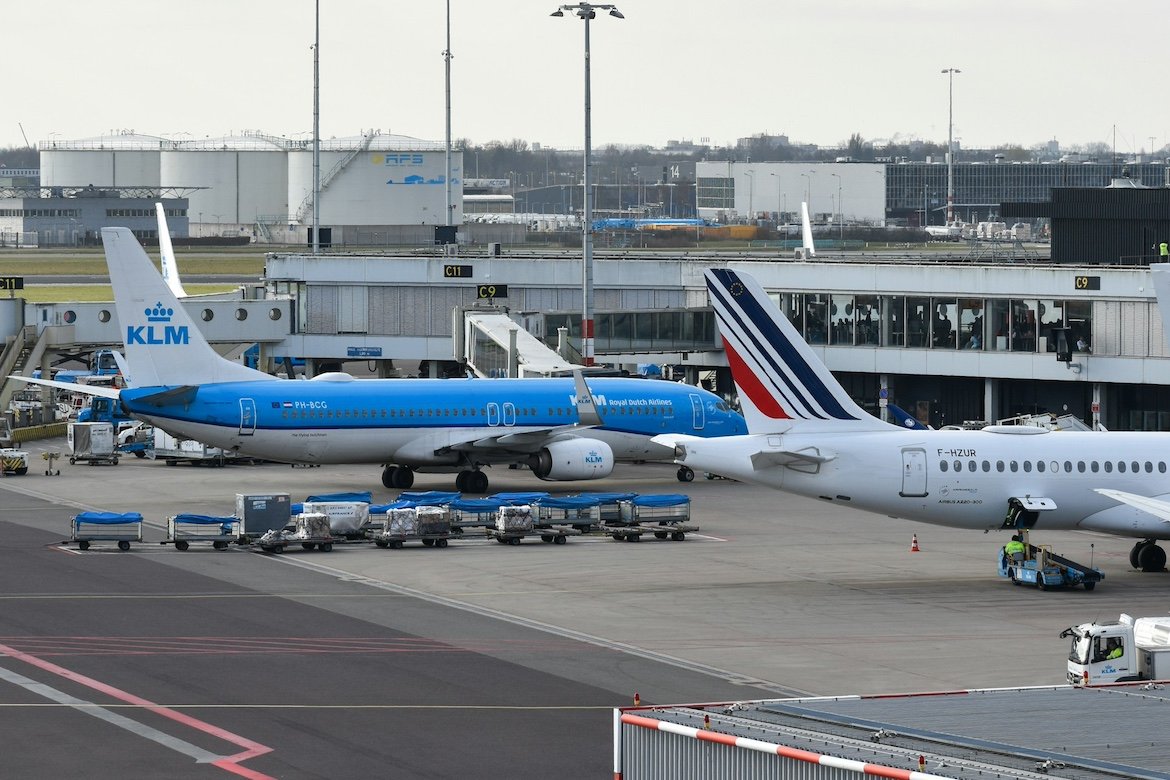
Major aviation hubs have already felt the impact. Airports in Dubai, Abu Dhabi, Doha and Bahrain typically process around 526,000 passengers per day under normal conditions. However, recent weeks have seen operational disruption and temporary closures as tensions linked to the Iran conflict intensified.
Airlines operating in and through the region have had to reroute flights, suspend certain routes and adjust schedules in response to airspace restrictions and security concerns. These changes have reduced connectivity and increased travel uncertainty, leading to declining traveler confidence and weaker demand for travel to and through the region.
WTTC’s estimates are based on its pre-conflict outlook for 2026, which projected that the Middle East would generate approximately $207 billion in international visitor spending this year. The scale of that forecast highlights how even short-term travel disruption can translate into major financial losses for tourism-dependent sectors such as hospitality, aviation and cruise operations.
Tourism’s Resilience Amid Crisis
Despite the significant losses already recorded, the WTTC emphasizes that travel and tourism has historically proven to be one of the most resilient sectors during global crises.
WTTC President and CEO Gloria Guevara said the travel industry has repeatedly demonstrated its ability to rebound quickly once stability returns and traveler confidence begins to recover.
According to Guevara, historical data from previous security crises shows that tourism recovery can occur relatively quickly when governments and the private sector coordinate their responses effectively. In some cases, recovery periods following security incidents have taken as little as two months.
She noted that coordinated communication between governments, tourism authorities and industry stakeholders will be critical in restoring confidence among international travelers. Measures designed to support stranded passengers, maintain clear information channels and ensure traveler safety are particularly important during periods of geopolitical uncertainty.
Governments across the region have already begun implementing support measures for travelers affected by disruptions, including assisting with accommodation and facilitating repatriation flights.
WTTC said it will continue monitoring developments in the Middle East while working with governments and industry leaders to limit the impact of the conflict on international tourism. The organization stressed that clear communication, strong public-private collaboration and policies that reinforce safety and stability will be essential for restoring travel flows once the crisis subsides.