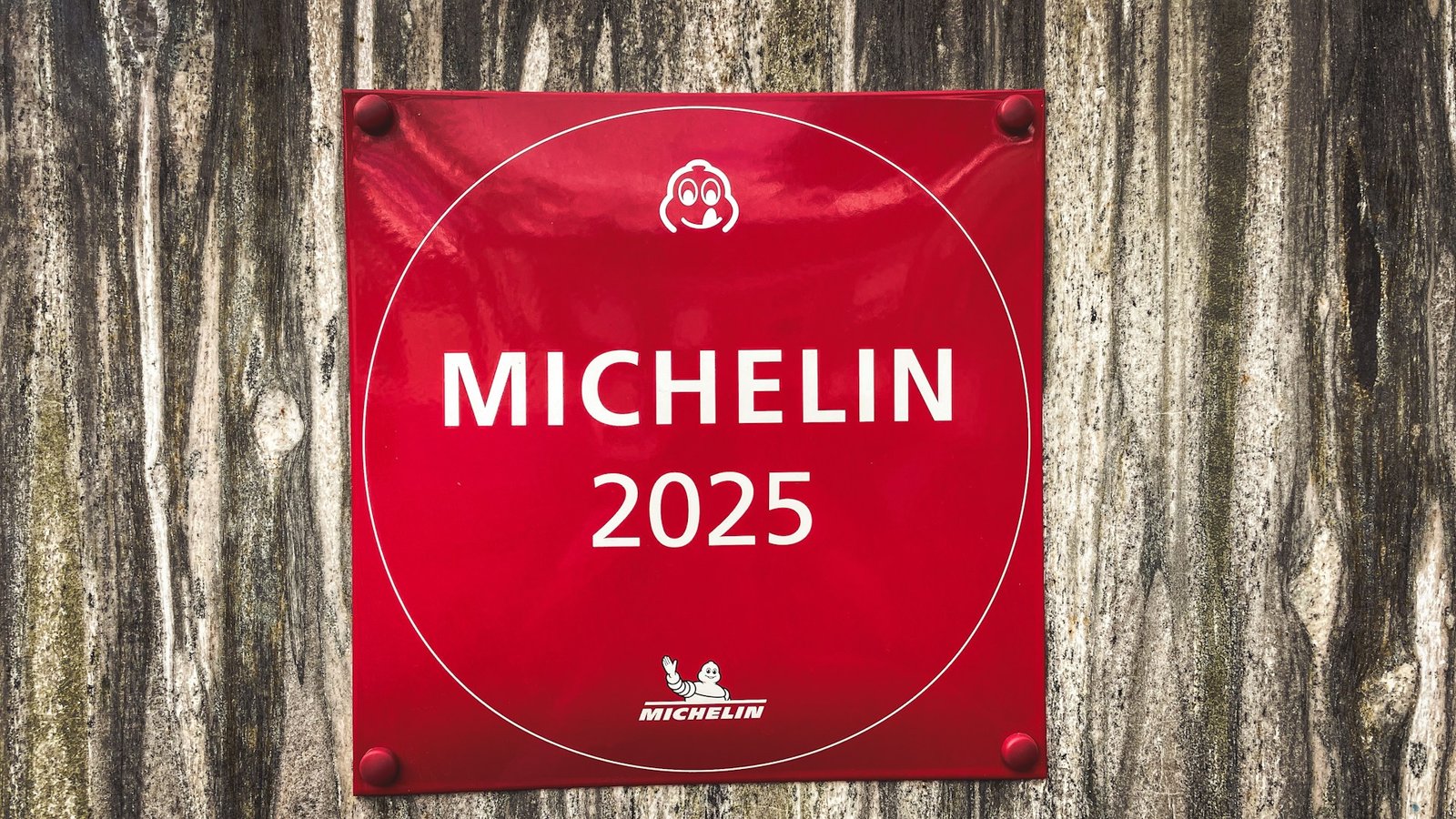

The Michelin Guide, known for defining excellence in dining, is expanding its reach with a groundbreaking move into the world of hotels. The organization has officially launched the Michelin Keys, a new global rating system designed to recognize the best hotels across more than 120 countries.
The initiative marks the first time Michelin has created a unified, worldwide framework for hotel recognition – similar in spirit to its iconic stars awarded to restaurants.
This new program aims to offer travelers a trusted benchmark for quality, design, and service in accommodations worldwide. Each selected property can earn one, two, or three “Keys,” depending on its level of distinction, with Michelin emphasizing not just luxury but also authenticity, sustainability, and the overall guest experience.
Setting a New Global Standard
Michelin’s move reflects the evolution of travel itself, where discerning guests are seeking meaningful, memorable stays that go beyond traditional five-star luxury. The Michelin Keys evaluate hotels on several criteria, including hospitality, architecture, comfort, and connection to the local environment. A one-Key property offers a standout stay, two Keys recognize exceptional excellence, and three Keys are reserved for the most extraordinary experiences.
The system’s global rollout follows several pilot programs launched earlier this year in destinations such as France, Japan, and the United States. With the success of these regional tests, the Michelin Guide now plans to extend the program to all major markets, from Europe and Asia to the Americas and Africa.
At its core, Michelin’s expansion seeks to bring the same credibility to hotels that its restaurant ratings have held for over a century. However, the move also comes at a time when travelers and industry professionals are experiencing what some experts describe as “award fatigue.” As numerous platforms and publications hand out accolades, the Michelin Guide faces the challenge of standing out while maintaining the integrity and trust associated with its brand.
Balancing Tradition and Modern Hospitality
Despite the skepticism, industry observers believe Michelin’s long-standing reputation for rigorous evaluation gives it an advantage. The organization insists that the Keys system is based on in-person visits by anonymous inspectors who evaluate each hotel under consistent global standards. This human-centered approach contrasts with the algorithmic or user-review-based systems that dominate much of today’s online travel landscape.
The timing of the launch also reflects broader trends in luxury travel. Guests increasingly value experience over extravagance, seeking authenticity, sustainability, and emotional connection. Michelin’s inclusion of boutique hotels, eco-lodges, and heritage properties demonstrates its commitment to embracing a wider definition of excellence.
For travelers, the new Keys represent an evolution in how quality hospitality is recognized and communicated. For hotels, being awarded a Michelin Key may soon carry the same prestige that chefs and restaurateurs have long associated with Michelin Stars.
As the first-ever global Keys selection rolls out, the Michelin Guide is not just expanding its brand – it’s redefining the standards of modern hospitality, setting the stage for a new era in how travelers discover and experience the world’s most remarkable hotels.