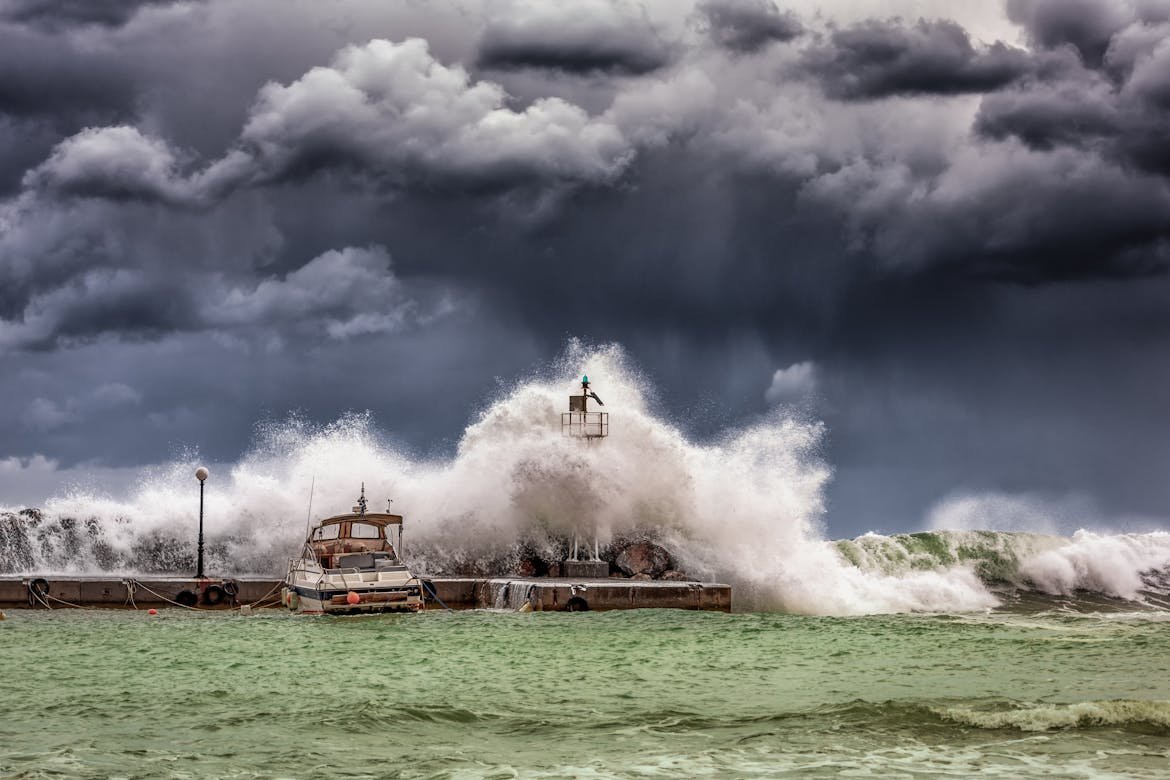
Hurricane Melissa carved a destructive path through the northern Caribbean, leaving at least 49 people dead and billions of dollars in damage. Haiti suffered the highest confirmed toll with 30 deaths and 20 missing after torrential rains triggered river surges, landslides, and widespread flooding.
Jamaica reported at least 19 fatalities following a direct Category 5 landfall – the island’s strongest recorded strike – with sustained winds far above the threshold for the top hurricane classification. Power outages affected most of the country, hundreds of roads were blocked, and emergency crews fanned out to reach isolated communities.
Eastern Cuba endured extensive damage to homes, crops, and communications, though authorities reported no deaths as more than 700,000 people were evacuated ahead of the storm.
The Bahamas executed one of its largest evacuation operations and later lifted storm warnings, while urging caution pending full assessments. As the system weakened to Category 2 and accelerated into the North Atlantic, Bermuda closed schools, ferries, and its causeway out of caution as tropical-storm conditions brushed the territory.
Airports in Kingston reopened to receive relief flights and resume limited commercial service, while ports began processing aid shipments. Satellite imagery and on-the-ground accounts from Jamaica’s hardest-hit parishes depict severe flooding, stripped vegetation, and devasting damage to homes and public infrastructure. Officials warned that power restoration, road clearance, and water service could take time, and they urged residents to follow local advisories as cleanup progresses.
Travel Industry Response and What’s Next
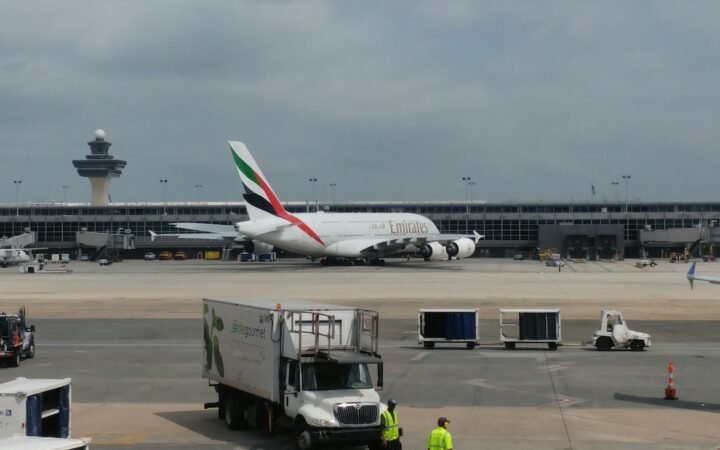
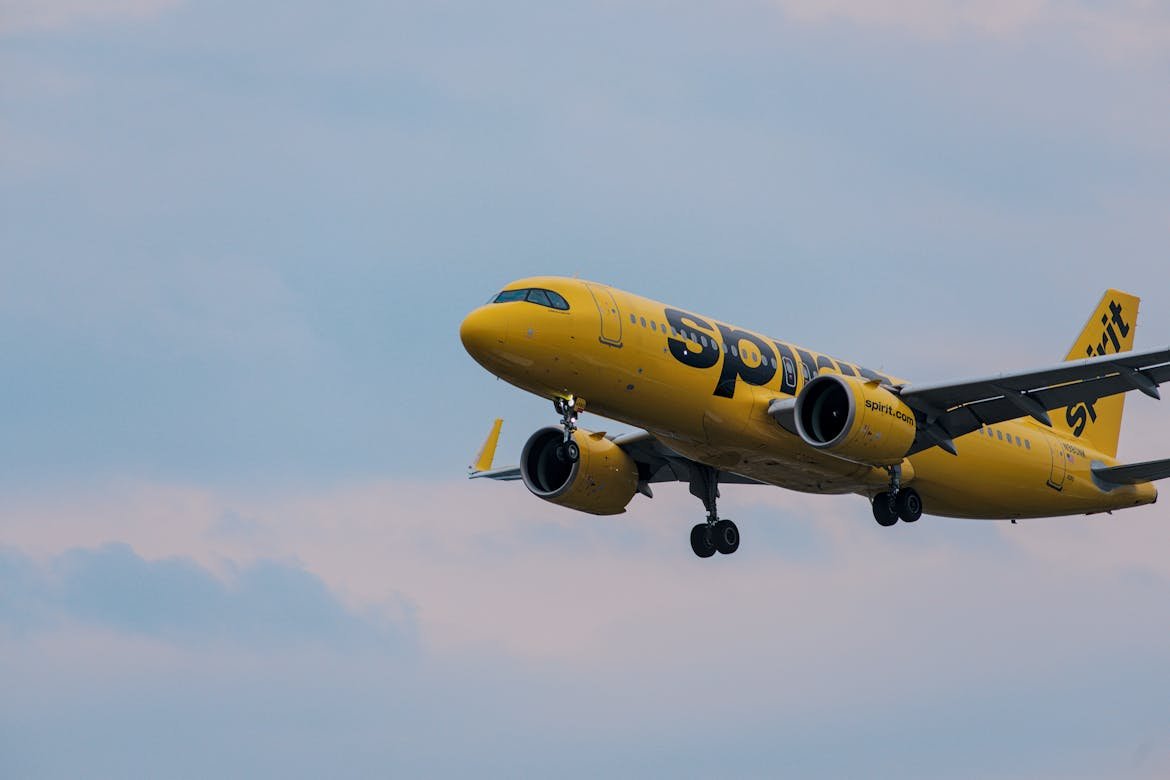
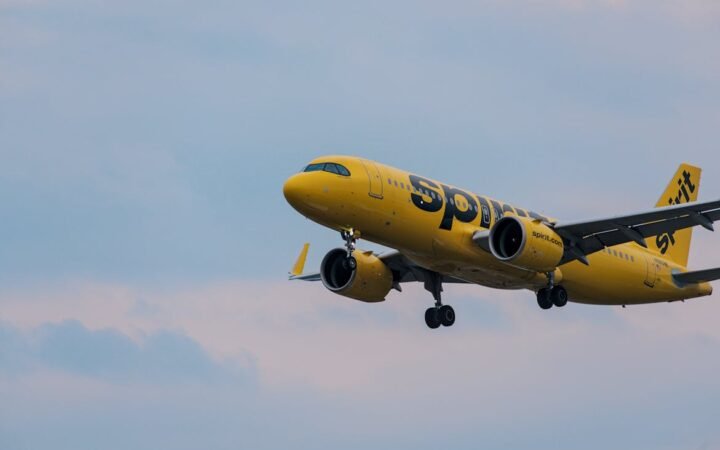
Across the travel sector, airlines, cruise lines, and hospitality brands mobilized to support recovery and protect travelers. Major U.S. carriers issued change-fee waivers, capped fares to deter price spikes, and began restoring flights to Jamaica, Bermuda, and Turks and Caicos as conditions allowed. American Airlines resumed operations in several key airports and coordinated with nonprofit partners to channel donations, while Delta, Southwest, and United maintained flexible policies for affected itineraries.
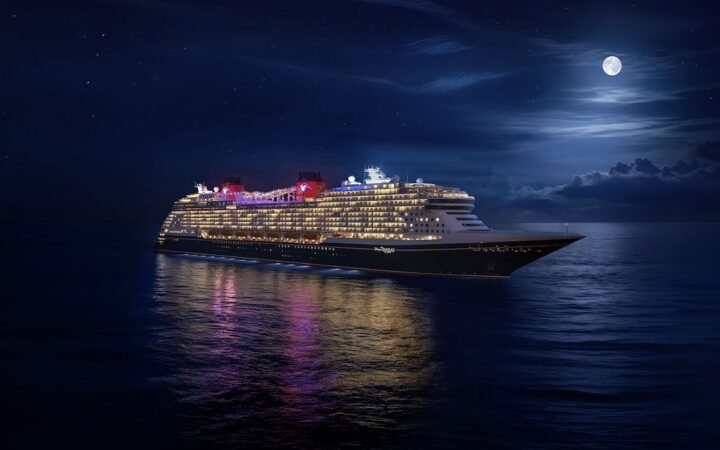
Cruise companies diverted ships away from closed ports and committed funds to relief groups. The Carnival Corporation joined the Mickey & Madeleine Arison Family Foundation and the Miami HEAT to pledge $1 million to Direct Relief, while Holland America Line dedicated upcoming On Deck for a Cause 5K walks to the same effort.
In Jamaica, major resort operators reported that guests and staff were safe and launched assessments, flexible rebooking, and on-island relief through affiliated foundations.
Governments and aid organizations emphasized that the needs extend beyond immediate rescue. Officials cited the storm’s slow forward speed, extreme rainfall, and catastrophic flooding as key drivers of damage – factors scientists increasingly link to warming seas. As emergency teams reopen roads, restore power, and reestablish communications, travelers should expect phased reopenings, limited services in some areas, and evolving guidance from local authorities.
For those with upcoming trips, the most prudent steps remain confirming flight status, monitoring official advisories, and working with airlines, cruise lines, and hotels on rebooking options as the region begins a long recovery.