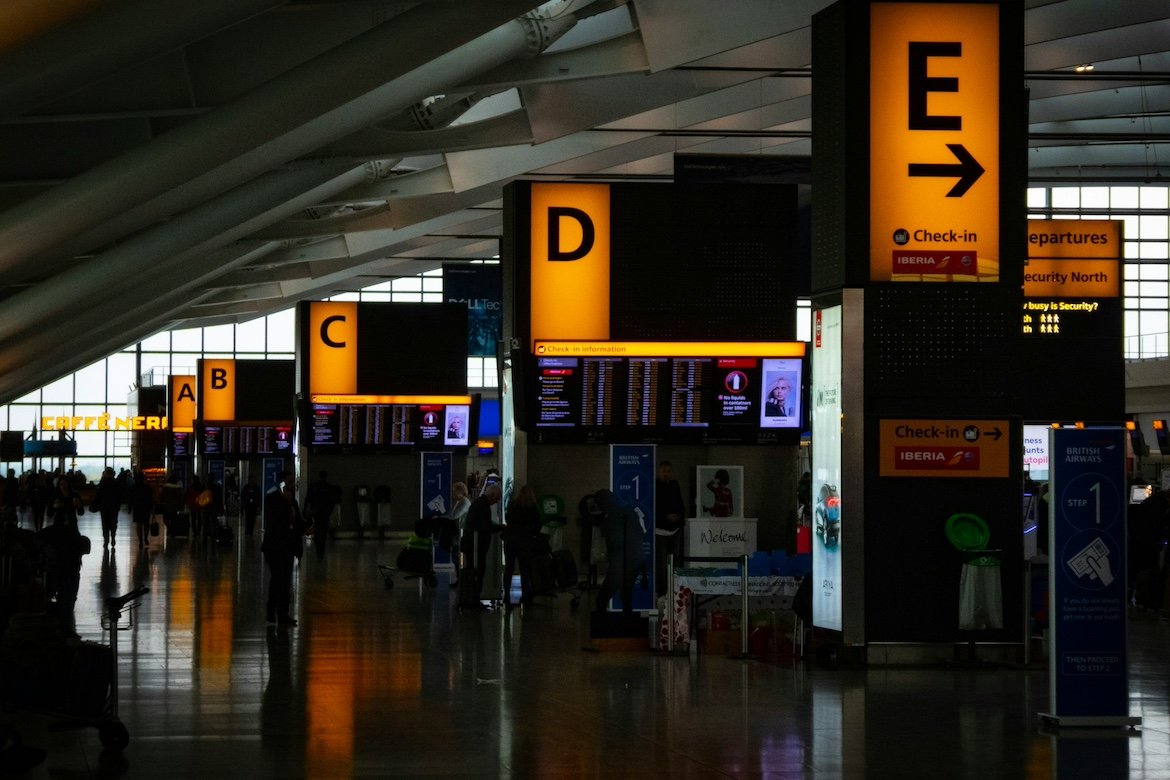
London’s Heathrow Airport has officially scrapped the long-standing 100ml liquid container rule, becoming the world’s largest airport to fully implement next-generation CT security scanners across all terminals.
Passengers departing from Heathrow can now carry liquids in containers of up to two litres directly in their hand luggage and leave laptops and tablets inside their bags, eliminating the need for plastic liquid bags and time-consuming unpacking at security checkpoints. The change marks one of the most significant shifts in airport security procedures in nearly two decades.
The move follows a £1 billion investment in computed tomography scanning technology, similar to that used in medical imaging, which allows security officers to view detailed 3D images of cabin baggage. Heathrow says the upgraded lanes can process thousands of passengers per hour with greater efficiency while maintaining high safety standards. Airport executives also point to environmental benefits, estimating the removal of plastic liquid bags will cut nearly 16 million single-use items annually.
A Long-Delayed Overhaul of UK Airport Rules
The 100ml restriction was introduced in 2006 after a foiled liquid explosives plot and has shaped air travel ever since, defining what many travellers considered the most inconvenient part of flying. Although successive UK governments pledged to remove the rule, progress was slowed by technical challenges and pandemic-related disruptions. Heathrow’s full rollout comes years after initial promises that the rule would be scrapped nationwide.
While Heathrow is now leading the way, the picture across the UK remains uneven. Airports such as Gatwick Airport, Edinburgh Airport, Birmingham Airport, Bristol, and Belfast have already introduced higher liquid limits using similar scanners. However, several other UK airports that have installed CT technology are still awaiting regulatory approval to lift the 100ml cap, meaning travellers may face different rules depending on where their journey begins or ends.
Heathrow has been clear that the relaxed restrictions apply only to departing passengers. Those returning to the UK or transiting through other airports are advised to check local security rules carefully, as many international hubs continue to enforce stricter liquid limits. Consumer groups have also noted that the heightened sensitivity of CT scanners can sometimes lead to more manual bag checks, though Heathrow argues overall queue times have improved significantly.
Beyond passenger convenience, the change reflects growing pressure on major hubs to modernize security as traffic rebounds. Heathrow reported that more than 97% of passengers waited under five minutes at security in 2025, crediting both staffing and technology upgrades. As Europe’s busiest airport, the successful rollout places Heathrow at the forefront of a gradual global shift away from one of aviation’s most iconic – and unpopular – security rules.