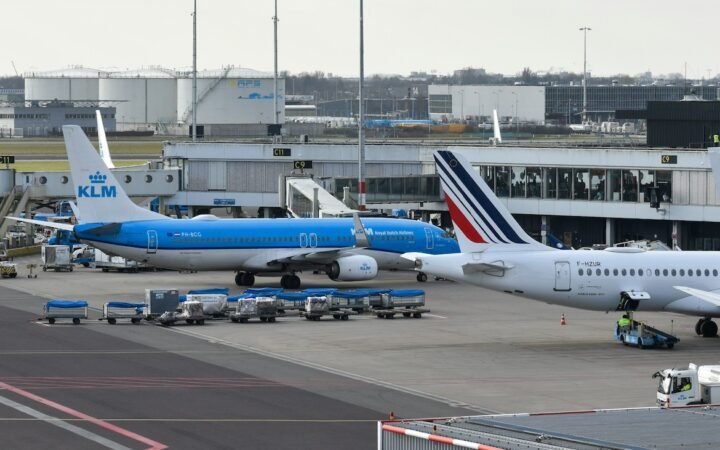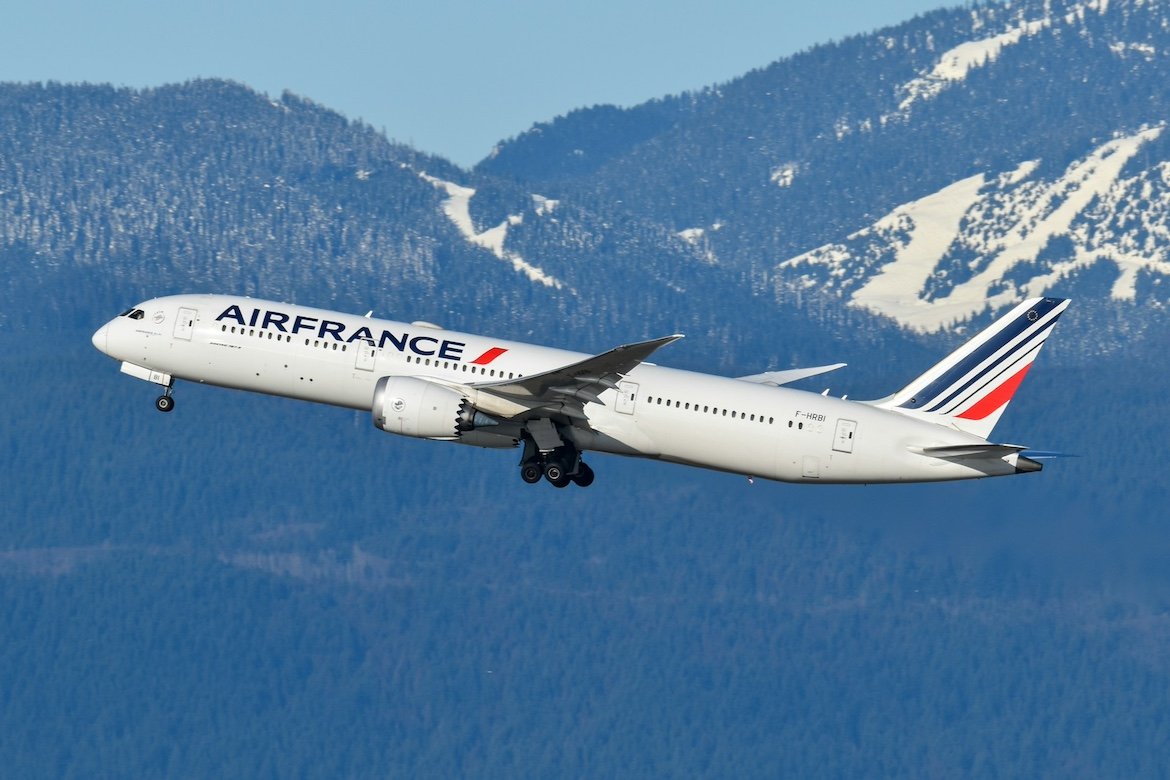
France is bracing for significant air travel disruption as the country’s largest air traffic control union, SNCTA, has announced a 24-hour strike that will affect flights, airspace management, and operations at many airports. The walk-out reflects mounting complaints from controllers about working conditions, staffing shortages, and governance practices.
It also follows a recent postponement of strike dates in September, with the decision taken as the new government forms and negotiations remain unsettled. Travellers are being advised to stay alert for schedule updates, particularly for flights to, from, or transiting French airspace.
While the exact airports impacted will vary, large hubs and regional airports alike are expected to see delays or disruption. Overflights – flights that cross French airspace without stopping in France – are particularly vulnerable, because the country handles a large share of European air traffic routes.
This kind of strike commonly leads to cancellations, reroutings, and sometimes even long delays for passengers who may not be directly departing or arriving in France. Airlines may have to adjust schedules and operations ahead of the strike to avoid cascading disruptions.
How This Affects Travellers
If you’re flying into, out of, or over France around the planned strike dates, there are several things to anticipate. First, check your flight status multiple times before departure, especially in the days leading up to the strike.
Airlines generally issue notices of cancellations or changes, but because air traffic control affects flight paths beyond national borders, disruptions might appear without much warning. Also, arriving at the airport earlier than usual is advisable – processing, ground transport, and gates may be slower or less predictable.
Travel to smaller regional airports may see fewer flights or less frequent service during the strike. International travellers connecting through France could have altered or extended layovers. For some routes, operators may offer alternate flights or rebooks, but these options may fill up quickly. Finally, be prepared for possible rerouting if your original path crosses French airspace – this can mean longer flight times or changes in airport sequences.
Broader Implications and Context
This strike is part of a larger trend of labour unrest in the transport and aviation sectors in France. The SNCTA, representing about 70% of French air traffic controllers, has pressed for salary adjustments matching inflation, improved governance practices, and conditions that better support their safety and performance. Authorities have acknowledged many of the grievances, but so far, progress in negotiations has been slower than the union demands.
The implications are not just immediate disruptions. Airports and airlines may suffer financial costs from cancellations, refunds, and compensation. Passengers can face inconvenience, missed connections, or even canceled travel plans. For many, this underscores how reliant modern travel is on a fragile network of services that can be easily disrupted when one link – like air traffic control – experiences breakdowns.
In short, while a 24-hour strike may seem short, its effects can ripple widely across air travel and across Europe. Travellers should plan ahead, keep flexible, and expect delays or other complications. The strike serves as a reminder that even well-connected travel systems are vulnerable – and sometimes, the human systems behind them matter just as much as the physical infrastructure.