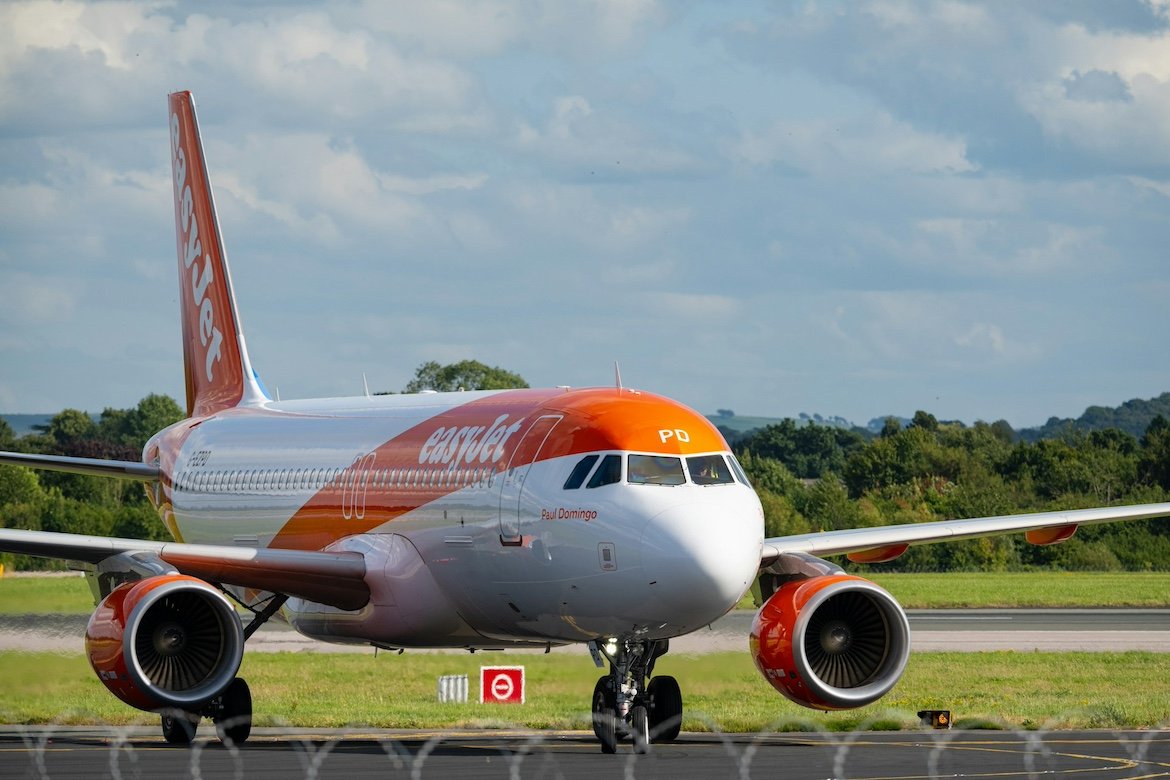

easyJet is deepening its presence in the UK with the launch of a new operational base at Newcastle Airport, marking another step in the airline’s regional expansion strategy as it seeks to strengthen connectivity and capture growing demand for short-haul travel. The Newcastle base becomes the carrier’s 11th in the UK and follows recent openings in Birmingham and London Southend, signaling a sustained push beyond traditional hub markets.
The new base will operate with three aircraft and support around 1,200 jobs, including pilots, cabin crew, and roles across the wider supply chain. From Newcastle, easyJet is significantly scaling up its operations, offering up to 86 weekly flights across 22 routes. The expansion represents an 85 percent increase in capacity compared with the previous summer and nearly triples the number of destinations available from the airport.
The route network reflects a clear focus on leisure demand, with destinations across Southern Europe and North Africa including Spain, Portugal, Greece, and Turkey. Cities such as Lisbon, Nice, and Prague sit alongside popular holiday spots like Tenerife, Rhodes, and Antalya. The airline is also aligning the expansion with its growing package holiday division, which is expected to reach its largest summer season yet in 2026. In total, more than 800,000 seats will be available from Newcastle this summer alone.
The investment highlights the continued importance of regional airports in the UK aviation landscape. By increasing direct connectivity from cities like Newcastle, easyJet is positioning itself to capture both outbound leisure traffic and inbound tourism, while also contributing to local economic growth. Airport and regional leaders have framed the expansion as a significant boost for the North East, supporting jobs and increasing accessibility to international markets.
Alongside network growth, easyJet is focusing on incremental efficiency gains across its fleet. The airline has announced the introduction of new lightweight aircraft seats, developed by Mirus Aircraft Seating, which will be installed on future Airbus A320neo and A321neo deliveries starting in 2028. The seats are more than 20 percent lighter than current models, reducing aircraft weight by up to 500 kilograms per plane.
These changes are expected to deliver measurable environmental benefits, including annual fuel savings and a reduction of more than 40,000 tonnes of carbon emissions. At the same time, the new seats are designed to improve passenger comfort, offering additional legroom and enhanced ergonomics without altering overall cabin layout. The upgrade reflects a broader industry trend where airlines seek to balance cost efficiency with incremental improvements in the onboard experience.
Together, the Newcastle expansion and fleet upgrades illustrate easyJet’s dual strategy of scaling capacity while refining operational performance. As competition intensifies across Europe’s short-haul market, airlines are increasingly relying on a combination of network growth, cost discipline, and product enhancements to maintain their edge.