
Airport Strikes are set to dominate travel headlines on December 11 as Portugal braces for a nationwide general strike expected to paralyze transport across the country.
Nearly half of the national workforce is anticipated to participate, putting pressure on airports, rail systems, buses, metros, and tourism services at one of the busiest travel periods of the year. For visitors heading into Portugal for the holidays, the timing of this disruption could not be more challenging.
The walkout has been called by Portugal’s largest union groups in response to proposed labor reforms from the minority right-wing government. These changes would make it easier for employers to dismiss staff, extend temporary contracts, and expand mandatory minimum services during strikes.
Public-sector employees, teachers, healthcare workers, and transport staff – including cabin crew for TAP Air Portugal, easyJet, Ryanair, and Azores Airlines – will join the action, creating widespread operational strain across the travel ecosystem.
These disruptions also come on the heels of recent labor actions that affected aviation and border operations earlier this year, underscoring an ongoing period of instability across Portugal’s transport sector.
Travelers may remember our earlier report on Portugal’s airport strikes in 2025–2026, which highlighted similar patterns of walkouts causing significant nationwide delays. The December 11 strike continues that trend, signaling deeper tensions within the country’s workforce.
Flight Disruptions and Travel Expectations
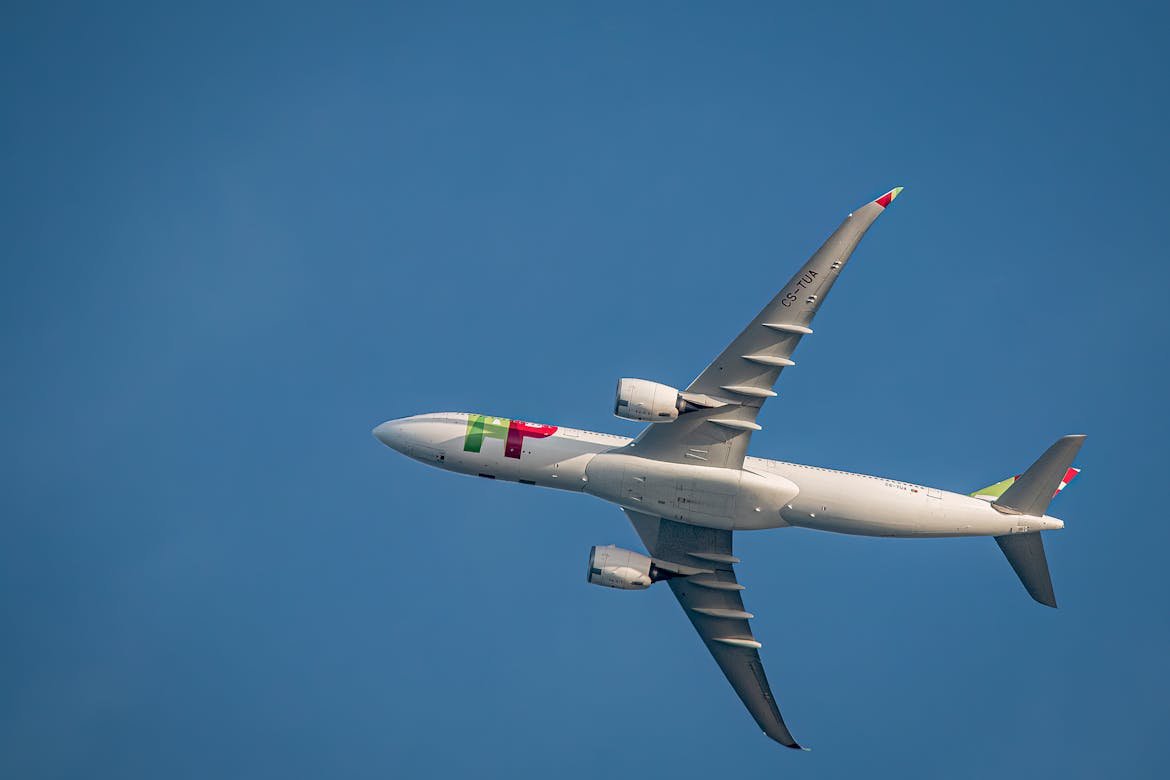
Airports will face the heaviest impact as airlines prepare for mass cancellations. TAP Air Portugal, the national carrier, has already begun cutting flights and alerting passengers, emphasizing that December 11 operations will be limited to legally mandated minimum services.
A small number of flights will run to Madeira, the Azores, select European destinations, Brazil, and the United States, but the majority of scheduled flights are expected to be grounded.
Azores Airlines and SATA plan to operate a reduced set of 25 flights, mainly to maintain essential connections between the islands and mainland Portugal. With so few services available, airline disruptions may ripple beyond Portugal as connecting flights are affected across the continent.
Travelers should closely monitor their flight status and consider rebooking as early as possible. Under EU Regulation 261/2004, passengers maintain rights to rebooking, refunds, meals, and accommodation during extended delays – even during general strikes.
Compensation may apply if cancellations were not announced at least 14 days in advance, depending on the airline’s staffing and operational circumstances.
Transport Challenges Across Portuguese Cities
The strike’s reach extends far beyond airports. Public transportation networks in Lisbon, Porto, and other major cities will operate on reduced schedules or halt entirely. Metro lines, buses, and regional trains are expected to see major delays, forcing travelers to adjust plans for sightseeing or hotel transfers.
With fewer transport options available, taxis and ride-share services will likely experience high demand and surge pricing. Travelers arriving in Portugal should allocate extra time to reach accommodations and consider staying close to central districts where walking access to major attractions is easier.
Hotels are expected to remain open, though some may operate with limited staff. Visitors are encouraged to confirm check-in procedures ahead of arrival and prepare for longer wait times. Popular tourist destinations may also see delays or crowds, as reduced transportation complicates mobility across the country.
Despite the significant disruption expected from Portugal’s latest airport strikes and transport walkouts, travelers who stay informed, plan alternative routes, and build in flexibility can still navigate the country with confidence. Proper preparation will be essential for minimizing stress as Portugal undergoes one of its largest labor actions in more than a decade.