American Airlines introduces a new generative AI tool that redefines how travelers plan their journeys, offering personalized itineraries and real-time assistance through natural conversations.
By Yuliya Karotkaya
Published:
Updated:
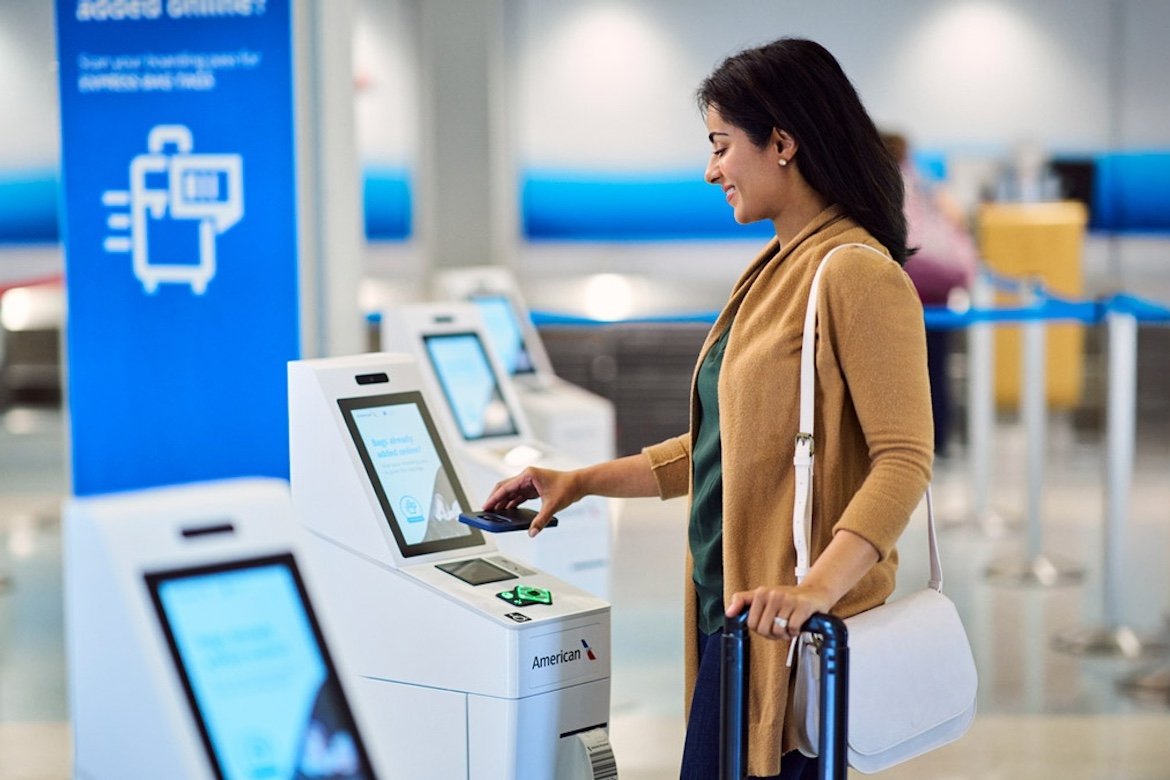
American Airlines’ new AI tool aims to make travel planning smarter, faster, and more intuitive for passengers worldwide. Photo: American Airlines
American Airlines has introduced a new generative AI tool designed to transform how travelers plan, book, and manage their journeys. The airline’s latest innovation integrates artificial intelligence into its digital platforms, allowing users to engage in natural, conversational trip planning while receiving personalized recommendations based on their preferences and needs.
Described as a major step forward in digital customer service, the AI assistant curates tailored itineraries, suggests destinations, and helps travelers manage every detail of their trip. Passengers can ask open-ended questions – such as where to go for a quick getaway or how to find the best connections – and the AI responds instantly with smart, relevant options. It can even anticipate preferences, taking into account budgets, travel patterns, and real-time flight data.
A New Era of Intelligent Travel
According to American Airlines, this launch marks a milestone in its ongoing effort to combine technology and human-centered design. The company has been steadily investing in digital innovation to simplify the travel process – from flight search to post-arrival logistics. The new tool builds on that foundation, blending large language model technology with the airline’s operational systems to deliver a seamless, personalized experience.
“Technology and care go hand in hand,” said an American Airlines spokesperson. “Our goal is to empower customers to make informed decisions while saving time and reducing stress. This tool helps make travel easier, more personal, and more human.”
The AI assistant also incorporates sustainability insights, providing recommendations for environmentally conscious travel. By analyzing flight efficiency and carbon impact, it allows passengers to make greener choices while planning their trips. The system adapts dynamically to delays or schedule changes, offering instant rebooking options or updates through conversational prompts.
Expanding Horizons and Digital Innovation
The rollout of this AI platform complements American Airlines’ broader strategy to innovate across both technology and route development. The airline has recently announced several expansions that reflect its commitment to enhancing accessibility and customer experience.
We recently covered these developments in our articles about American Airlines’ upcoming direct flight from Miami to Bimini launching in 2026, and the carrier’s new European routes set to debut the same year. Together, these moves illustrate how the airline is combining smarter digital tools with a growing global network.
Industry experts say the introduction of this generative AI assistant could further strengthen American Airlines’ position in the evolving travel technology landscape. As competitors explore automation and personalization, American is positioning itself as a leader in integrating AI into real-world customer journeys.
For travelers, the innovation means a smoother, more intuitive approach to trip planning. Instead of navigating multiple websites or booking apps, users can describe their needs conversationally and receive customized itineraries that fit their style, schedule, and budget.
With the addition of its new AI-driven assistant, American Airlines is redefining what it means to fly smarter. The tool’s potential extends beyond convenience – it represents a shift toward fully adaptive travel, where technology anticipates and responds to each traveler’s needs in real time. As digital and physical journeys merge, American Airlines continues to demonstrate how innovation can elevate not just travel logistics but the entire travel experience.
Abercrombie & Kent has revealed its 2027 private jet journeys, featuring exclusive around-the-world adventures and themed itineraries across remarkable destinations.
By Yuliya Karotkaya
Published:
Updated:
Abercrombie & Kent’s 2027 private jet journeys will take travelers on curated global adventures in ultimate comfort and style. Photo: Abercrombie & Kent
Abercrombie & Kent has unveiled its 2027 Private Jet Journeys, presenting four distinctive itineraries that redefine what it means to travel in style. Each journey takes place aboard a custom-fitted Boeing 757 with just 50 fully lie-flat seats, accompanied by an executive chef, a dedicated crew, and a logistics team handling every detail – from luggage transfers to visa arrangements.
These immersive expeditions combine adventure, cultural discovery, and impeccable comfort. With routes spanning Africa, Asia, the Pacific, and Europe, A&K’s 2027 lineup builds on the success of its nearly sold-out 2026 program, once again appealing to travelers seeking rare access and seamless luxury.
Africa: Across a Continent by Private Jet
Running from February 4 to 25, this 22-day expedition explores some of Africa’s most captivating destinations, including Tunisia, Kenya, Rwanda, Botswana, South Africa, Benin, and Morocco.
Guests will experience the continent’s deep cultural roots and wildlife diversity – from exploring the ancient ruins of Carthage to trekking for gorillas in Rwanda and visiting Nelson Mandela’s former prison guard in South Africa.
Other highlights include adopting an orphaned elephant in Kenya, witnessing a traditional Vodoun ceremony in Benin, and sleeping under the stars in a private Sahara desert camp.
Epic Islands and Landscapes: Around the World by Private Jet
Departing May 1 and running through May 26, this journey invites travelers on a global odyssey across oceans and continents. It begins with four nights aboard a private yacht exploring the Galápagos Islands before moving on to Easter Island, the Cook Islands, New Zealand, Bali, and Sicily.
The itinerary is packed with unforgettable experiences, from a hot air balloon ride over the Serengeti to driving vintage Alfa Romeos through Sicily. Guests will also enjoy helicopter views over New Zealand’s Milford Sound and a curated finale celebration in Italy.
Wild Wonders: Around the World by Private Jet
Scheduled for September 4 to 29, this wildlife-focused journey immerses travelers in eight distinct ecosystems across the globe. Highlights include observing Tasmanian devils in Australia, visiting Rinca Island to see Komodo dragons, sailing through Fiji’s tropical waters, and exploring coral reefs in the Seychelles with a marine biologist.
The trip continues with Big Five safaris in South Africa’s Sabi Sand, jaguar tracking in Brazil’s Pantanal, and rainforest adventures in Costa Rica’s Tortuguero National Park – each destination showcasing rare encounters found nowhere else on Earth.
Hidden Horizons with Geoffrey Kent
From October 14 to November 8, Abercrombie & Kent’s founder Geoffrey Kent personally hosts this 26-day journey through lesser-known yet fascinating destinations. Beginning in London, travelers will visit the Azores, Algeria, Ghana, São Tomé, Victoria Falls, Seychelles, Kazakhstan, and Bulgaria.
The itinerary blends culture, history, and adventure, including meeting the Asantehene – king of the Ashanti Kingdom – a helicopter flight over Victoria Falls, and a private Kukeri festival performance in Bulgaria.
Across all four itineraries, Abercrombie & Kent continues to elevate the concept of global exploration. Each journey combines exclusive access, personalized service, and cultural immersion – a signature formula that keeps travelers returning year after year for experiences that can’t be found anywhere else.
Qantas Airways has confirmed that a cyberattack exposed data from nearly six million customers, marking one of Australia’s largest security incidents in recent years.
By Yuliya Karotkaya
Published:
Updated:
A Qantas aircraft at Adelaide Airport amid growing cybersecurity concerns in Australia’s aviation sector. Photo: Soly Moses / Pexels
Australia’s flag carrier Qantas Airways has revealed that hackers stole and leaked data belonging to nearly 5.7 million customers following a large-scale cyberattack that occurred in July 2025. The airline confirmed the breach in a public statement, saying criminals had targeted a third-party customer service platform linked to its call center.
The breach, part of a global hacking campaign, compromised a range of customer information. Most records included names, email addresses, and frequent-flyer details, while a smaller number contained more sensitive data such as home or business addresses, birth dates, phone numbers, and meal preferences. Qantas emphasized that no financial information or passwords were taken and assured travelers that no further intrusions have occurred since the July attack.
The airline said it is fully cooperating with Australian security agencies and has obtained a court injunction in an effort to restrict the stolen data from being accessed, shared, or published online. However, cybersecurity experts have questioned the effectiveness of such legal orders, noting that once data is in criminal hands, there’s little practical way to prevent it from spreading.
Rising Cyber Threats in Australia’s Corporate Landscape
The Qantas incident adds to a growing list of major cybersecurity breaches in Australia over the past several years. Telecommunications giant Optus and health insurer Medibank Private both suffered massive data leaks in 2022, affecting nearly ten million customers each. In 2024, the government confirmed a breach at MediSecure, a digital prescription provider, impacting around 13 million Australians – one of the largest cyber incidents in the country’s history.
According to the Office of the Australian Information Commissioner, Australia reported 1,113 data breaches in 2024, marking a 25% increase from the previous year. The surge reflects both the growing sophistication of cybercriminal networks and the ongoing vulnerabilities within critical industries such as healthcare, telecommunications, and aviation.
Cybersecurity analyst Troy Hunt noted that the Qantas leak appears to be the first confirmed fallout from the July cyber campaign, which also affected several international firms. Hunt criticized the reliance on injunctions as a defensive measure, calling them “largely symbolic” in the face of determined attackers.
The breach also underscores the challenges global airlines face as they increasingly depend on third-party platforms for operations and customer service. In today’s hyperconnected travel industry, one weak link in a digital supply chain can compromise millions of records in an instant.
For Qantas, the priority now is restoring trust among its passengers and ensuring stronger safeguards are in place. The airline stated that its systems remain secure and that it continues to enhance protection protocols to prevent future attacks.
As Australia grapples with an escalating wave of cybercrime, the Qantas breach serves as yet another warning: no organization, no matter how established, is immune in an era of rapidly evolving digital threats.
A newly restored underground passage once used by Emperor Commodus has opened to the public, offering a rare glimpse into the hidden world beneath Rome’s iconic Colosseum.
By Yuliya Karotkaya
Published:
Updated:
Visitors can now explore the ancient passage once used by Emperor Commodus beneath Rome’s Colosseum. Photo: Max Avans / Pexels
Rome has unveiled a hidden piece of its ancient past to the world, opening a secret passage beneath the Colosseum once reserved for Emperor Commodus. The restoration marks one of the most significant archaeological events in recent years, offering visitors a new perspective on how emperors, gladiators, and performers once moved through the world’s most famous amphitheater.
The passage, located deep under the Colosseum, was originally used by Commodus – the controversial emperor portrayed in the film Gladiator – to secretly enter the arena without being seen by the crowds. For centuries, this route was closed off and largely forgotten, hidden behind layers of stone and time.
Now, after careful restoration, the site has reopened, blending modern preservation techniques with the enduring grandeur of Rome’s imperial history.
Rediscovering a Hidden World Beneath the Arena
Archaeologists say the passage provides valuable insight into the logistics of ancient spectacles, from the movement of gladiators and animals to the emperor’s carefully staged appearances. The corridor connects directly to what would have been Commodus’s private palace on the Palatine Hill, symbolizing both his desire for safety and his absolute control over Rome’s grandest stage.
Visitors who descend into this underground world can now explore the narrow stone tunnel and see original brickwork dating back nearly 2,000 years. Subtle lighting highlights the architecture while preserving the site’s integrity, giving travelers a chance to experience the Colosseum as few ever have.
This restoration is part of a larger effort by Rome’s archaeological authorities to expand public access to lesser-known sections of the Colosseum. Over the past decade, the site has undergone major renovations, including the opening of its hypogeum – the vast network of tunnels where gladiators and animals waited before entering the arena.
The reopening of Commodus’s passage also underscores Italy’s ongoing commitment to preserving cultural heritage while making it accessible to visitors worldwide. Tourism officials expect the new attraction to draw even greater interest to Rome, which already welcomes millions of travelers each year eager to walk in the footsteps of emperors and gladiators.
For those exploring the Eternal City, this new opening offers more than a glimpse into history – it’s a walk through the shadowed corridors of power, spectacle, and survival that once defined the Roman Empire.
The European Union begins rolling out its new Entry/Exit System (EES), replacing passport stamping with biometric registration to enhance border security and simplify travel for non-EU visitors.
By Yuliya Karotkaya
Published:
Updated:
Automated passport control gates will become a familiar sight across European airports as the new Entry/Exit System launches. Photo: Anna Shvets / Pexels
The European Union has officially begun the rollout of its Entry/Exit System (EES) – a groundbreaking digital border control framework designed to modernize the way travelers enter and leave Europe. The new system went live on October 12, 2025, and will be gradually implemented across 29 European countries over the next six months.
EES will replace the long-standing practice of manually stamping passports for non-EU nationals traveling for short stays. Instead, the system will register travelers’ personal details, including their name, travel document information, fingerprints, and a facial image, along with the date and place of each border crossing.
Once fully implemented by April 10, 2026, this digital upgrade aims to streamline travel, enhance security, and detect overstayers automatically – something that paper-based passport stamps could never achieve.
The initiative represents one of the EU’s most ambitious digital transitions to date, ensuring safer and more efficient management of external borders while maintaining the bloc’s commitment to data protection and fundamental rights.
What Travelers Need to Know
For most non-EU visitors, the introduction of EES will mean a faster, more automated process at airports, ferry terminals, and land crossings. Travelers will have their biometric data collected the first time they enter an EES-participating country. On subsequent trips, entry will be processed automatically through self-service kiosks or e-gates, minimizing wait times.
Officials emphasize that the new system is not designed to discourage travel but rather to make it easier and more transparent. The data will also help authorities identify overstayers, prevent identity fraud, and improve responses to security threats. In parallel, the shift supports the EU’s broader Smart Borders Package, which includes future integration with ETIAS – the electronic travel authorization for visa-exempt travelers.
The European Agency for the Operational Management of Large-Scale IT Systems (eu-LISA) is overseeing the development and operation of EES. This agency is responsible for ensuring that the system runs smoothly and that data is handled securely across all participating countries.
EES forms a key part of the EU’s Security Union strategy, aligning with broader goals outlined in the European Agenda on Security and Migration. By digitizing border management, the EU aims to better protect residents and visitors alike while simplifying the experience for millions of travelers who visit countries such as France, Spain, Italy, and Germany each year.
While some early travelers may face minor delays during the first months of implementation, the long-term goal is clear – a faster, safer, and smarter way to cross European borders. Once the system is fully operational by 2026, the era of passport stamps in Europe will officially come to an end, replaced by a seamless, data-driven border process designed for the future of global travel.
WestJet has introduced a new fee for reclining seats on select Boeing 737 flights, sparking passenger outrage and renewed debate about shrinking comfort in economy travel.
By Yuliya Karotkaya
Published:
Updated:
WestJet’s new seat policy on Boeing 737 aircraft has sparked frustration among economy travelers. Photo: Airborne YVR / Pexels
Canadian airline WestJet has found itself at the center of controversy after announcing that passengers will now have to pay to recline their seats on select Boeing 737 flights. The change, part of the airline’s cabin updates aimed at “enhancing comfort and choice,” has been met with strong backlash from travelers, many of whom say it represents yet another example of airlines charging for basic amenities.
The new reclining seats will be featured in the updated Boeing 737 cabins, which include modern interiors and redesigned seats with adjustable headrests. However, what was once a standard feature in economy class will now come at an extra cost. Passengers purchasing basic or standard fares will need to pay an additional fee if they want the ability to recline, while premium and business class travelers will still enjoy the feature as part of their ticket.
On social media, travelers have voiced frustration, calling the move “ridiculous” and “a new low in budget flying.” Many argue that reclining has always been part of the flying experience, and charging for it could make air travel even less comfortable for economy passengers already coping with limited legroom.
The Debate Over Comfort and Cost in Modern Aviation
WestJet defends its decision as part of a broader effort to provide passengers with more options, similar to how airlines offer seat selection or checked baggage for additional fees. The company says the new model allows passengers to pay only for the features they value most. Still, critics view it as another step toward the unbundling of air travel, where once-standard comforts are monetized one by one.
This latest policy comes at a time when airlines worldwide are reevaluating their approach to in-flight comfort. As operating costs rise and competition intensifies, many carriers have turned to à la carte pricing, allowing them to keep base fares low while charging for add-ons such as seat selection, early boarding, and even carry-on luggage.
Industry analysts say that WestJet’s new fee could set a precedent if other airlines follow suit, much like how baggage fees once started small and eventually became standard across the industry. The trend raises broader questions about the future of affordable flying – whether passengers will continue to tolerate additional fees for what used to be basic privileges.
For now, WestJet insists that the new reclining seats are designed with passenger comfort in mind and will be part of its effort to modernize its fleet. Yet the controversy highlights a growing divide between airline economics and traveler expectations.
As air travel continues to evolve, one thing is clear – what used to be free in the sky increasingly comes at a cost, and even a few inches of comfort may soon carry a price tag.
G Adventures and National Geographic have announced a new Signature Luxury Travel Collection for 2027, offering small-group journeys focused on comfort, culture, and conservation.
By Yuliya Karotkaya
Published:
Updated:
The new Signature Luxury Travel Collection will feature exclusive experiences at world landmarks like Petra’s Ad Deir in Jordan. Photo: ChiemSeherin / Pexels
G Adventures and National Geographic have unveiled their latest collaboration – the Signature Luxury Travel Collection, set to launch in 2027. This new line of small-group journeys blends G Adventures’ immersive approach to travel with National Geographic’s storytelling legacy, offering a refined experience that merges comfort with meaningful exploration.
The Signature Collection is designed for travelers who seek cultural authenticity paired with elevated comfort. Each itinerary offers curated experiences that go beyond standard sightseeing – from guided culinary tours to conservation-focused activities. Travelers will stay in boutique lodges and eco-retreats, enjoying luxury without sacrificing sustainability.
Destinations include South Africa, Vietnam, Japan, Central Asia, Peru and Jordan, chosen for their unique blend of natural beauty and cultural depth. Expect experiences such as dining with local chefs in Kyoto, exploring the Sacred Valley’s hidden ruins, or capturing the Serengeti’s landscapes alongside photography experts. Each trip will be guided by National Geographic-trained leaders, ensuring every journey tells a story worth remembering.
Continuing a Legacy of Meaningful Travel
This announcement builds on the long-standing partnership between G Adventures and National Geographic, which has produced several successful collaborations over the years. We recently covered their expansion with 14 new trips for 2026, highlighting destinations that emphasize sustainability, storytelling, and deeper cultural connections. This latest luxury collection represents a natural evolution of that effort – taking the same values but tailoring them for travelers seeking a higher-end experience.
By moving into the luxury segment, G Adventures and National Geographic are proving that responsible travel and premium experiences can coexist. While the 2026 collection focused on authentic adventure and community-driven tourism, the 2027 Signature series elevates the experience through smaller group sizes, premium accommodations, and enhanced cultural engagement.
Blending Sustainability and Luxury
Despite the upscale focus, both brands remain committed to sustainability and local impact. Each journey will contribute to community-based tourism initiatives, supporting local economies and funding conservation projects connected to National Geographic’s global mission. Group sizes will remain intentionally small, ensuring that travelers can connect meaningfully with local communities while reducing environmental impact.
G Adventures describes the Signature Luxury Travel Collection as a “new definition of adventure,” designed for travelers who value both comfort and conscience. In an era where travelers increasingly want to explore responsibly without giving up the pleasures of modern comfort, this partnership between two of the most trusted names in exploration may set the new benchmark for premium sustainable travel.
With the Signature Luxury Travel Collection, G Adventures and National Geographic are reshaping what it means to explore the world – creating experiences that are as enriching for travelers as they are for the destinations themselves.
Spirit Airlines has received court approval for $475 million in financing and reached a new agreement with Airbus and AerCap, marking a major step in its ongoing restructuring process.
By Yuliya Karotkaya
Published:
Updated:
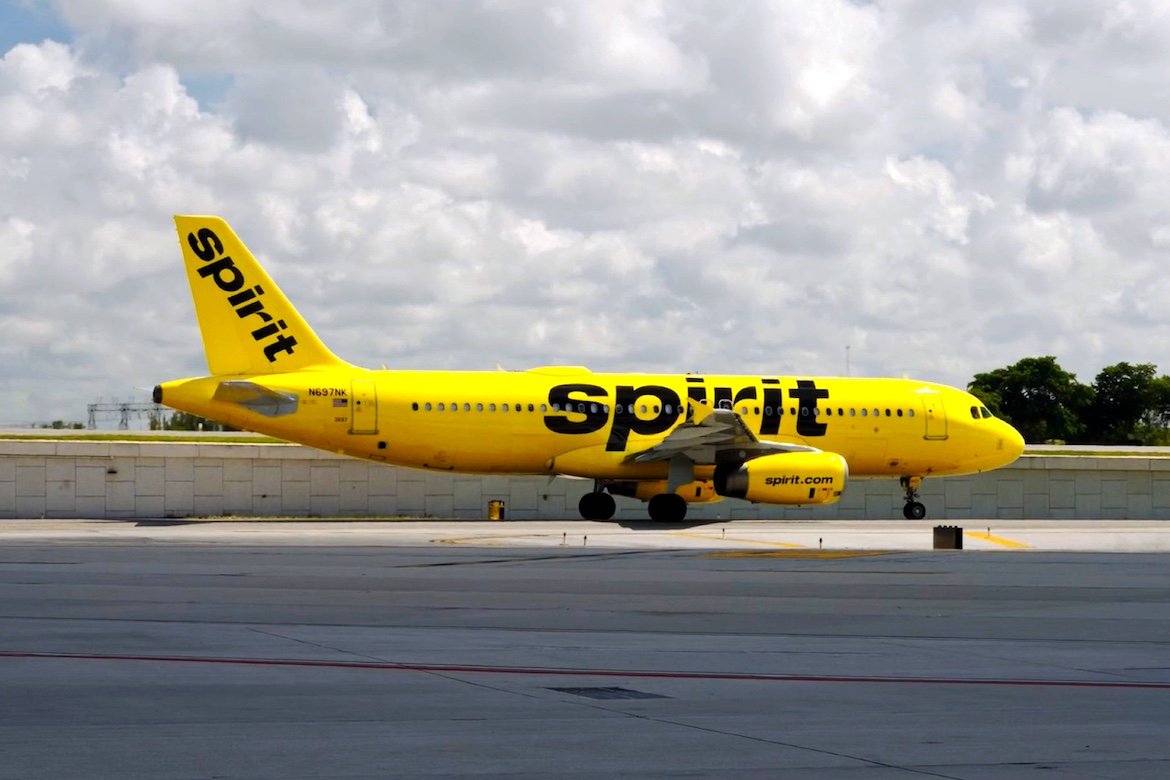
Spirit Airlines moves forward with restructuring and new financing to stabilize operations amid bankruptcy proceedings. Photo: Spirit Airlines
Spirit Airlines has secured a $475 million cash infusion from existing bondholders as part of its ongoing Chapter 11 restructuring process. The financing arrangement, approved by the U.S. Bankruptcy Court for the Southern District of New York, represents a significant milestone in the carrier’s efforts to stabilize its finances and restructure operations following months of financial turbulence.
The newly approved funds will be distributed in three tranches, with the first $200 million available immediately, ensuring Spirit maintains operational continuity while implementing its restructuring plan. This move is designed to provide the airline with liquidity to cover expenses, support employees, and sustain regular flight operations during bankruptcy proceedings.
In addition to the financial injection, Spirit has reached a three-way agreement with Airbus and aircraft lessor AerCap to reshape its fleet strategy. Under the new arrangement, the airline will cancel an order for 52 Airbus A320 series planes, along with purchase options for 10 additional aircraft. This decision marks a shift toward reducing future financial commitments while focusing on optimizing the fleet for more sustainable operations.
The agreement also resolves previous disputes between Spirit and AerCap, which had declared the airline in default of a lease agreement covering 36 undelivered Airbus planes, triggering termination fees of more than $75 million. Under the court-approved deal, Spirit will forfeit rights to those 36 aircraft but will enter new lease agreements for 30 planes scheduled for delivery between 2027 and 2029.
As part of the restructuring, Spirit will return 27 AerCap-owned planes from its current fleet, further downsizing its operations to improve financial health. In return, AerCap will pay Spirit $150 million while maintaining the right to file an unsecured claim of $572 million against the airline.
Spirit’s CEO Dave Davis described the agreement as “a significant milestone in our restructuring,” noting that the deal “represents continued progress toward securing a successful future for Spirit.”
The carrier is also pursuing a broader fleet reduction plan. According to recent court filings, Spirit intends to return 87 leased aircraft, leaving it with around 148 active planes and 47 parked. This downsizing aims to streamline operations, reduce costs, and position the company for recovery once the restructuring is complete.
We previously reported on Spirit Airlines’ decision to furlough hundreds of flight attendants, a move that reflected the airline’s efforts to manage costs amid financial uncertainty. The new financing agreement, combined with strategic fleet adjustments, indicates that Spirit is taking decisive steps toward stability after months of turbulence.
While challenges remain, Spirit’s restructuring plan shows clear intent to restore confidence among passengers, creditors, and investors. With fresh financing and a leaner fleet strategy, the low-cost carrier hopes to navigate its current crisis and rebuild for a more sustainable future in the U.S. aviation market.
A taste of 1960s London is coming to Disneyland Resort as Gordon Ramsay prepares to open ‘The Carnaby,’ a new British gastropub in Downtown Disney.
By Yuliya Karotkaya
Published:
Updated:
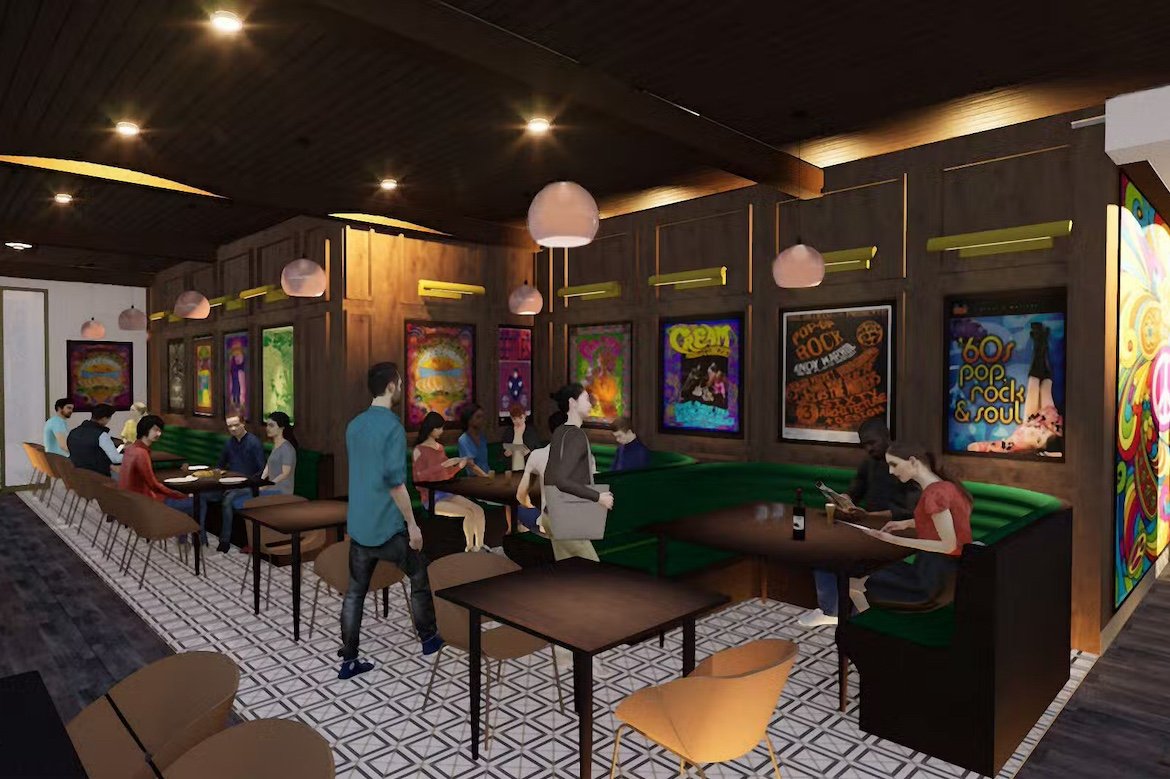
'The Carnaby' will bring the spirit of 1960s London to Disneyland Resort’s Downtown Disney District. Photo: Disneyland Resort
Disneyland Resort is about to get a bold new flavor as world-renowned chef Gordon Ramsay prepares to open his first restaurant within the park’s entertainment and dining hub, Downtown Disney District. His new venture, “The Carnaby,” promises to transport guests straight to the swinging streets of 1960s London – complete with British rock, retro design, and a menu celebrating Ramsay’s signature flair for comfort classics.
Perched atop the Earl of Sandwich location, The Carnaby will immerse diners in the era of mod fashion, music, and cool Britannia energy. The restaurant’s interiors are inspired by London’s vibrant Carnaby Street scene, a symbol of youth culture and creative freedom in the sixties. With two spacious outdoor terraces, cozy booths, and a lively bar area, it’s designed as much for atmosphere as for cuisine.
Adding to the nostalgia, live music on select evenings will bring a “British Invasion” soundtrack to life – from the Beatles to the Rolling Stones – ensuring an authentic London vibe from day to night. Ramsay says the restaurant’s goal is to “bring those cool vibes to The Carnaby” and celebrate a time when the British capital was the center of global style and entertainment.
Classic British Fare with Ramsay’s Signature Twist
As expected, food will be at the heart of the experience. Chef Ramsay’s menu will highlight British favorites elevated with his signature touch, including Beef Wellington, crispy fish and chips, and indulgent sticky toffee pudding – dishes that have become synonymous with Ramsay’s international restaurants.
Guests can expect refined versions of pub classics prepared with premium ingredients and contemporary presentation. Alongside the food, a selection of creative cocktails and British ales will complement the menu, adding to the authentic gastropub feel.
Ramsay describes The Carnaby as a place where guests can “enjoy stunning interiors, incredible food, and great music,” whether for a date night or a casual dinner with family and friends. The project also marks another step in Disneyland Resort’s ongoing transformation of Downtown Disney, which continues to introduce new dining experiences to appeal to both locals and international visitors.
When The Carnaby opens its doors, it will offer something distinctly new for Anaheim – a piece of London nostalgia wrapped in Disney magic. Combining Ramsay’s bold culinary vision with the energy of 1960s Britain, it’s set to become one of the most anticipated restaurant openings of 2025.
Expedia Group has unveiled ‘Comet,’ a new AI-powered travel assistant developed in partnership with Perplexity, designed to help travelers plan trips faster and more intuitively.
By Yuliya Karotkaya
Published:
Updated:
Expedia Group’s new AI assistant “Comet,” powered by Perplexity, brings a smarter and more conversational approach to trip planning. Photo: Expedia Group
Expedia Group has unveiled Comet, an innovative AI travel browser created in partnership with Perplexity, designed to transform how travelers research and book their trips. The new tool integrates natural language search, itinerary building, and booking capabilities into a single, fluid experience.
Instead of juggling dozens of tabs and comparing prices across multiple sites, travelers can now ask Comet a simple question like, “Where can I go for a warm beach vacation under $1,000 in December?” and receive personalized, bookable recommendations instantly.
As part of its rollout, Expedia is rewarding users who try Comet with Silver status in its OneKey loyalty program – a rare move that highlights how important this new platform is to the company’s future strategy. The collaboration brings together Perplexity’s real-time AI technology and Expedia’s global travel inventory, combining inspiration, planning, and booking into one seamless interface.
A Smarter, Conversational Way to Plan Trips
Comet differs from traditional travel search engines by acting as a conversational assistant rather than a filter-based database. Travelers can explore destinations, trends, and personalized itineraries through natural dialogue. The platform’s “Travel” section features trending destinations and curated suggestions while maintaining direct access to flights, hotels, and experiences within Expedia’s system.
The goal is to make travel discovery more intuitive and enjoyable. Instead of forcing users to think in search terms, Comet interprets open-ended ideas – such as “best places in Europe for food lovers” or “quiet getaways near the ocean” – and delivers relevant, actionable results. This kind of conversational engagement represents the next evolution of trip planning, one that blurs the line between research and booking.
Expedia has already incorporated AI features across its brands, including Vrbo and Hotels.com, but Comet marks a leap forward: it’s not just a search tool, it’s an AI-powered browser designed to guide travelers from the first spark of inspiration all the way through to final booking.
The Potential and the Path Ahead
Comet’s introduction comes at a time when travelers are demanding more personalized, effortless planning experiences. By combining powerful AI search with the credibility and convenience of Expedia’s booking platform, the company is positioning itself at the forefront of a rapidly evolving travel technology landscape. For consumers, the benefits are clear – faster planning, smarter recommendations, and integrated loyalty rewards that enhance value over time.
However, innovation of this kind also comes with challenges. Merging conversational AI with real-time booking systems is technically complex and requires constant accuracy in pricing, availability, and customer data. Building user trust will be crucial; travelers must feel confident that the AI’s suggestions are both relevant and transparent. Expedia will need to balance automation with user control, allowing travelers to fine-tune their itineraries and decisions rather than surrender them entirely to algorithms.
On a broader scale, Comet represents how major online travel agencies are redefining their role. Rather than functioning as static marketplaces, they are evolving into interactive platforms that anticipate user needs. This could reshape how travelers approach trip planning altogether – moving from endless comparison browsing toward guided, AI-driven journeys that feel more personal and efficient.
As Comet expands beyond desktop and eventually arrives on mobile, its success will depend on how effectively Expedia and Perplexity can deliver both innovation and reliability. If the technology fulfills its promise, it could set a new standard for how travelers discover the world – one conversation at a time.
Universal Orlando Resort has unveiled the start date and full lineup for its 2025 Holiday Celebration, featuring new festivities at Epic Universe and returning fan favorites across the parks.
By Yuliya Karotkaya
Published:
Updated:
Universal Orlando Resort will bring festive magic to life across its parks during the 2025 holiday season. Photo: Universal Orlando Resort
Universal Orlando Resort is gearing up for its most spectacular holiday season yet, unveiling the official dates and lineup for the 2025 Holiday Celebration, set to run from November 22, 2025, through January 5, 2026.
For the first time, the festivities will extend across all Universal Orlando parks, including the highly anticipated Epic Universe, which will join the seasonal celebration with its own lineup of events and attractions.
Visitors can look forward to a dazzling combination of returning favorites and new experiences, designed to deliver unforgettable holiday memories. From twinkling decorations and themed parades to unique dining experiences and immersive entertainment, the 2025 season promises to bring even more holiday spirit to Orlando.
Epic Universe Joins the Celebration
A major highlight this year is the addition of Epic Universe to Universal’s festive lineup. This marks the park’s first participation in the resort-wide celebration, signaling its integration into the broader Universal Orlando experience. Each of the park’s themed lands will embrace the holidays in its own way, offering distinctive decor, live shows, and seasonal food offerings.
While full details have yet to be revealed, early teasers suggest fans can expect spectacular holiday overlays in the Wizarding World of Harry Potter – Ministry of Magic, as well as festive experiences in new areas like Super Nintendo World and How to Train Your Dragon – Isle of Berk. The expansion reflects Universal’s ambition to elevate its winter offerings and make the resort a must-visit holiday destination for travelers from around the world.
Holiday Magic Across the Parks
Classic favorites are also making their return, including Universal’s Holiday Parade featuring Macy’s, complete with giant balloons, beloved characters, and festive floats. At Islands of Adventure, the Grinchmas Who-liday Spectacular will once again delight guests with its heartwarming retelling of Dr. Seuss’s holiday tale. Seasonal concerts, snow-filled streets in Hogsmeade, and limited-edition treats will round out the celebration across the resort.
This year’s celebration also comes at a time when theme parks are embracing new technology to enhance storytelling and guest experiences. We recently covered how Disney is pioneering next-generation audio-animatronics, creating more lifelike and emotionally expressive characters in its attractions. Universal’s latest offerings, while different in approach, share the same goal: pushing the boundaries of immersive entertainment to keep visitors coming back year after year.
By combining innovative park design with beloved holiday traditions, Universal Orlando’s 2025 Holiday Celebration promises to set a new standard for festive fun in Florida. With the debut of Epic Universe and a renewed focus on guest experience, this season is shaping up to be the most magical one yet for fans of the Universal brand and Orlando’s ever-growing theme park scene.
Indian travel platform Ixigo secures $146 million in funding from Prosus, aiming to expand its AI capabilities and strengthen its position in the competitive online travel market.
By Yuliya Karotkaya
Published:
Updated:
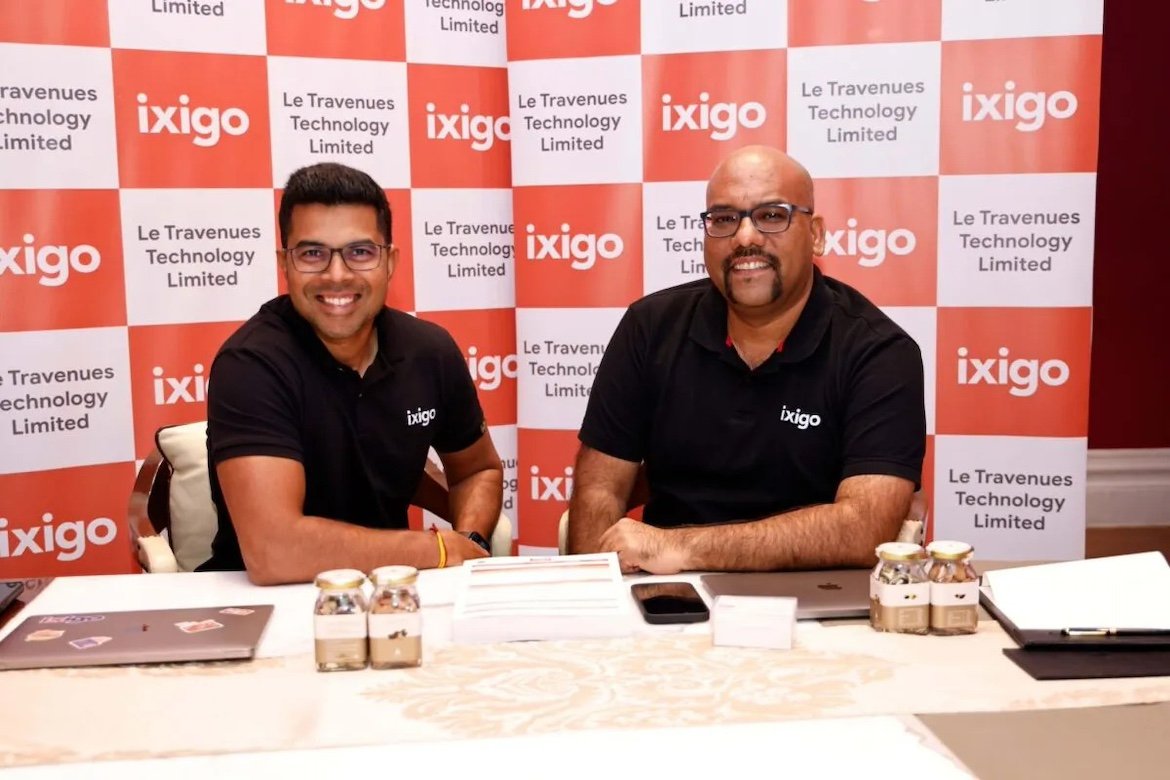
Ixigo’s latest investment from Prosus aims to enhance AI-driven travel solutions and expand its user base across India. Photo: Ixigo
India’s leading online travel platform Ixigo has secured $146 million in funding from Prosus, marking one of the most significant investments in India’s travel tech sector this year. The move underscores the growing confidence in artificial intelligence (AI)-powered travel platforms and highlights Ixigo’s ambition to further consolidate its role as a dominant player in India’s rapidly evolving digital travel landscape.
Prosus, a global consumer internet group and major investor in technology-driven businesses, acquired approximately a 10% stake in Ixigo as part of this funding round. The deal values the company at over $1.4 billion and represents a major milestone for Ixigo, which has steadily expanded its footprint through affordable and user-friendly solutions for flights, trains, and buses.
Founded in 2007 by Aloke Bajpai and Rajnish Kumar, Ixigo began as a small travel search engine and has since evolved into one of India’s most trusted travel booking platforms. The company’s success has been fueled by its strong focus on affordability, regional accessibility, and, more recently, the integration of AI-powered tools that help travelers plan, book, and manage trips more efficiently.
The new investment will allow Ixigo to deepen its focus on AI-driven personalization and predictive analytics, enhancing everything from dynamic pricing to travel assistance. The company has already introduced intelligent features such as fare prediction, delay alerts, and smart itinerary suggestions that adapt to real-time conditions. With additional capital from Prosus, Ixigo aims to push this innovation further, integrating advanced machine learning to improve decision-making and streamline user experiences across platforms.
The timing of the funding is particularly significant as India’s travel sector continues to recover and modernize after years of turbulence. With more consumers booking trips online and expecting seamless, customized experiences, AI has become a cornerstone of the industry’s future growth. Ixigo’s model, which focuses on serving both urban and regional markets, positions it to capture a diverse segment of India’s expanding travel audience.
For Prosus, the investment represents a strategic move into India’s booming digital economy and aligns with its broader interest in high-growth consumer internet businesses. The partnership is expected to provide Ixigo not only with capital but also with access to a global network of technology expertise, potentially accelerating its expansion beyond India in the future.
Ixigo’s leadership described the deal as a major validation of its long-term vision to make travel smarter and more accessible. With its growing reliance on AI, localized content, and customer-centric innovation, Ixigo continues to redefine how travelers in India – and eventually beyond – plan their journeys. The partnership with Prosus marks a new chapter in the platform’s evolution, positioning it at the forefront of the next wave of AI-led transformation in the global travel tech industry.
United Airlines has announced new summer 2026 routes connecting U.S. cities with destinations in Croatia, Scotland, Italy, and Spain, expanding its transatlantic network for leisure travelers.
By Yuliya Karotkaya
Published:
Updated:
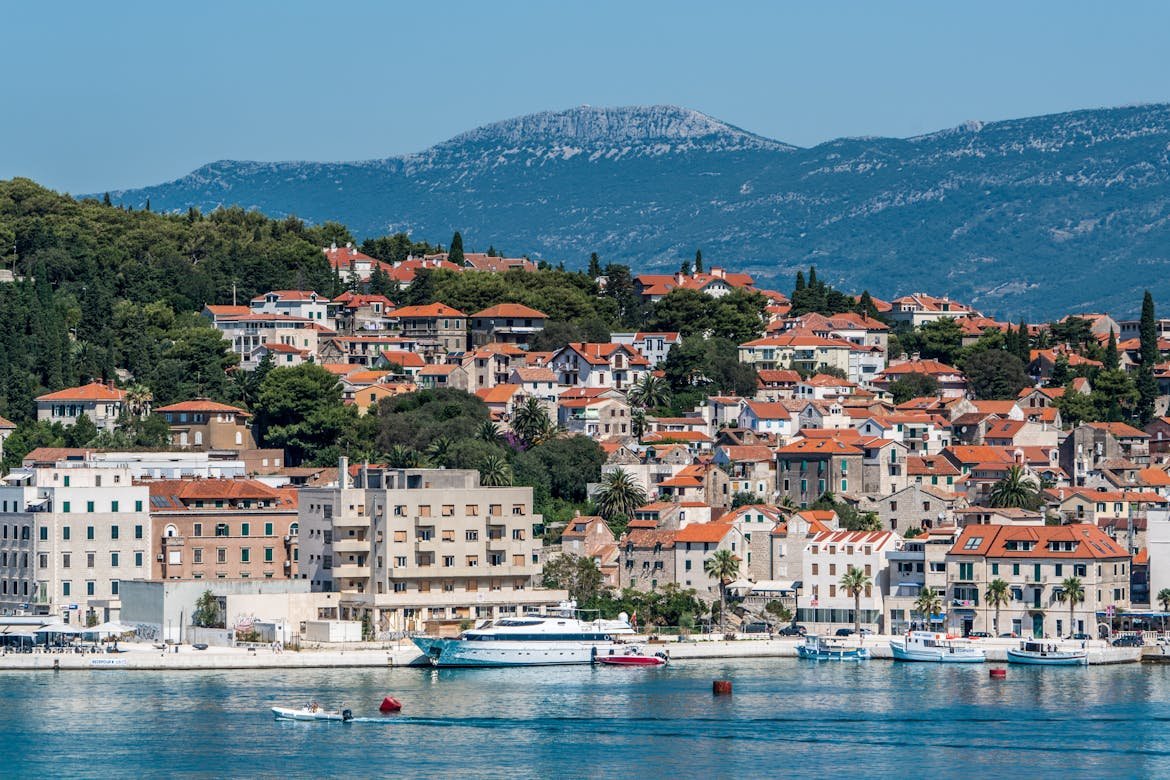
United Airlines will connect U.S. travelers to new destinations across Europe, including Split, Croatia. Photo: Pixabay / Pexels
United Airlines has announced a major expansion of its transatlantic network for summer 2026, unveiling new routes from the United States to Croatia, Scotland, Italy, and Spain. The move reinforces the airline’s position as one of the leading U.S. carriers for travel to Europe, offering passengers more non-stop access to some of the continent’s most sought-after summer destinations.
The airline will launch flights from Newark Liberty International Airport to Dubrovnik, Croatia, providing a new direct connection to one of the Adriatic’s most popular coastal cities. Dubrovnik, often called the “Pearl of the Adriatic,” has seen growing demand from American travelers drawn by its historic Old Town and stunning seaside views.
This new route will complement United’s broader European offerings, making it easier for travelers to explore southern Europe’s emerging hotspots.
In Scotland, United will add a new route from Chicago O’Hare International Airport to Edinburgh, expanding its service beyond the existing New York and Washington connections. The route caters to both leisure travelers and those visiting family, tapping into the strong cultural ties between the U.S. and Scotland. The new service is expected to provide a convenient gateway to the Scottish Highlands, one of the UK’s fastest-growing tourism regions.
Meanwhile, in Italy, United will increase its presence with new flights from Newark to Palermo, Sicily, adding to its already extensive network that includes Rome, Milan, and Naples. Palermo, with its mix of ancient architecture, coastal charm, and vibrant food culture, is gaining international recognition as one of Italy’s top emerging destinations. The route underscores United’s strategy of connecting travelers not only to major hubs but also to smaller cities rich in cultural and leisure appeal.
In addition to these routes, United is introducing service to Malaga, Spain, further strengthening its Mediterranean coverage. With beaches, historic landmarks, and easy access to the Andalusian countryside, Malaga offers a compelling alternative to more crowded Spanish destinations like Barcelona and Madrid.
United Airlines’ new summer 2026 routes are part of a broader strategy to capture increasing demand for international travel. As travelers continue to prioritize cultural experiences and destination diversity, the airline is positioning itself to meet that demand with greater flexibility and choice.
The expansion also highlights United’s focus on strengthening tourism ties between the U.S. and southern Europe. By offering direct flights to destinations previously underserved by major U.S. carriers, the airline aims to make European travel more accessible while boosting local economies that depend heavily on tourism.
With bookings expected to open in early 2025, United Airlines’ summer 2026 network promises to make exploring Europe easier than ever – whether travelers are seeking the beaches of Croatia, the castles of Scotland, or the coastal beauty of southern Italy.
The Michelin Guide has unveiled its first-ever global ‘Keys’ selection for hotels, setting a new international benchmark for hospitality excellence and guest experience.
By Yuliya Karotkaya
Published:
Updated:
The Michelin Guide introduces its first global hotel 'Keys' awards, recognizing the world’s top stays for service, design, and authenticity. Photo: Jametlene Reskp / Unsplash
The Michelin Guide, known for defining excellence in dining, is expanding its reach with a groundbreaking move into the world of hotels. The organization has officially launched the Michelin Keys, a new global rating system designed to recognize the best hotels across more than 120 countries.
The initiative marks the first time Michelin has created a unified, worldwide framework for hotel recognition – similar in spirit to its iconic stars awarded to restaurants.
This new program aims to offer travelers a trusted benchmark for quality, design, and service in accommodations worldwide. Each selected property can earn one, two, or three “Keys,” depending on its level of distinction, with Michelin emphasizing not just luxury but also authenticity, sustainability, and the overall guest experience.
Setting a New Global Standard
Michelin’s move reflects the evolution of travel itself, where discerning guests are seeking meaningful, memorable stays that go beyond traditional five-star luxury. The Michelin Keys evaluate hotels on several criteria, including hospitality, architecture, comfort, and connection to the local environment. A one-Key property offers a standout stay, two Keys recognize exceptional excellence, and three Keys are reserved for the most extraordinary experiences.
The system’s global rollout follows several pilot programs launched earlier this year in destinations such as France, Japan, and the United States. With the success of these regional tests, the Michelin Guide now plans to extend the program to all major markets, from Europe and Asia to the Americas and Africa.
At its core, Michelin’s expansion seeks to bring the same credibility to hotels that its restaurant ratings have held for over a century. However, the move also comes at a time when travelers and industry professionals are experiencing what some experts describe as “award fatigue.” As numerous platforms and publications hand out accolades, the Michelin Guide faces the challenge of standing out while maintaining the integrity and trust associated with its brand.
Balancing Tradition and Modern Hospitality
Despite the skepticism, industry observers believe Michelin’s long-standing reputation for rigorous evaluation gives it an advantage. The organization insists that the Keys system is based on in-person visits by anonymous inspectors who evaluate each hotel under consistent global standards. This human-centered approach contrasts with the algorithmic or user-review-based systems that dominate much of today’s online travel landscape.
The timing of the launch also reflects broader trends in luxury travel. Guests increasingly value experience over extravagance, seeking authenticity, sustainability, and emotional connection. Michelin’s inclusion of boutique hotels, eco-lodges, and heritage properties demonstrates its commitment to embracing a wider definition of excellence.
For travelers, the new Keys represent an evolution in how quality hospitality is recognized and communicated. For hotels, being awarded a Michelin Key may soon carry the same prestige that chefs and restaurateurs have long associated with Michelin Stars.
As the first-ever global Keys selection rolls out, the Michelin Guide is not just expanding its brand – it’s redefining the standards of modern hospitality, setting the stage for a new era in how travelers discover and experience the world’s most remarkable hotels.
Lionel Messi’s MIM Hotels will now be managed by Melia Collection, bringing boutique hospitality together with global expertise.
By Yuliya Karotkaya
Published:
Updated:
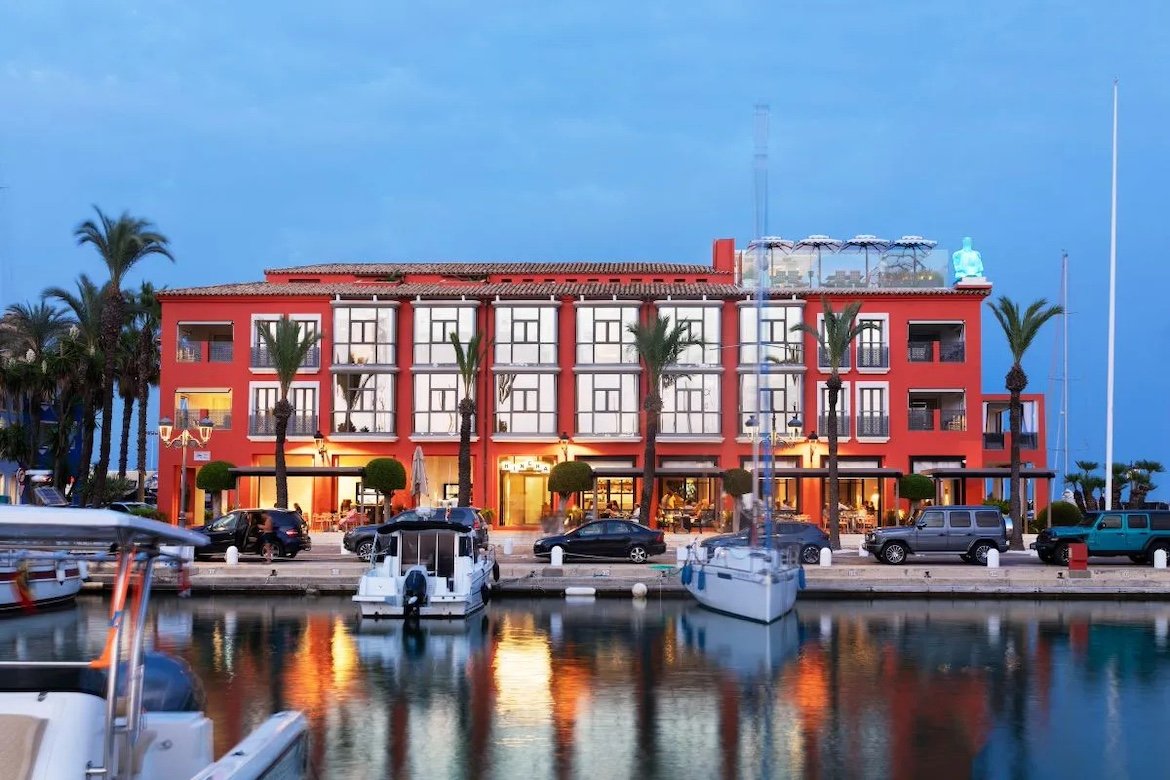
Lionel Messi’s MIM Hotels joins forces with Melia Collection to expand its boutique hospitality presence. Photo: Melia Hotels
Lionel Messi is making headlines off the pitch with a major move in hospitality. His boutique hotel group, MIM Hotels, has entered into a new partnership with Melia Collection, one of Spain’s most established global hotel brands. This collaboration brings together Messi’s growing lifestyle-focused brand with Melia’s deep experience in hotel management and international expansion.
MIM Hotels, which already has properties in several prime locations across Spain and Andorra, has built a reputation for boutique stays that emphasize design, sustainability, and local culture. Now, with Melia Collection stepping in to manage operations, the brand is expected to gain a stronger global presence while maintaining the unique identity that has set it apart.
Expanding the Reach of Boutique Hospitality
The partnership represents a significant opportunity for both sides. For MIM Hotels, backed by the international fame of Messi, the collaboration offers the infrastructure and expertise of Melia Collection to scale the business. For Melia, the deal brings a fresh lifestyle brand with high visibility, appealing to younger travelers who admire Messi’s influence both on and off the field.
MIM Hotels currently operates properties in Sitges, Ibiza, Mallorca, Baqueira, and Andorra. Each location reflects a commitment to boutique charm and a personalized guest experience. With Melia Collection now managing these hotels, there are expectations that the group will not only enhance operational efficiency but also explore future expansion into new European and global destinations.
The partnership also reflects a broader trend in hospitality. Boutique hotels, once considered niche players, are increasingly partnering with larger groups to balance individuality with global reach. In this case, MIM Hotels keeps its identity while benefiting from the resources and network of one of Spain’s most experienced hospitality companies.
A Lifestyle Brand with Global Ambitions
For Messi, this venture into hospitality has become more than just an investment – it is a growing part of his personal brand. MIM Hotels emphasizes sustainability, stylish design, and a lifestyle-oriented approach that resonates with travelers seeking authenticity. By aligning with Melia Collection, Messi ensures that his hotels can maintain these values while attracting a broader international audience.
Industry analysts see the partnership as a smart move for both parties. Messi’s star power adds cultural relevance to the hotels, while Melia provides operational expertise and the ability to connect the boutique brand with its global booking systems and loyalty programs. Guests can expect the same boutique atmosphere they love, but with the added reliability of a major hospitality group behind it.
As MIM Hotels steps into this new chapter, the partnership with Melia Collection is poised to redefine its growth path. The fusion of boutique hospitality with international scale signals that the brand is ready to reach beyond Spain and Andorra, capturing the attention of travelers across Europe and beyond.
For fans of both football and travel, the collaboration highlights Messi’s expanding influence, proving that his vision for excellence extends well beyond the stadium.
Join our list to receive latest Blockchain, Crypto & Fintech news:
WordPress database error: [Table 'u752143311_aXVuj.wp_coingecko_coins' doesn't exist]
SELECT coins.*, meta.post_id as post_id
FROM `wp_coingecko_coins` coins
INNER JOIN wp_postmeta meta ON (meta.meta_key = 'wpcf-coin-main-tag' AND meta.meta_value = coins.slug )
ORDER BY market_cap_usd
DESC LIMIT 9