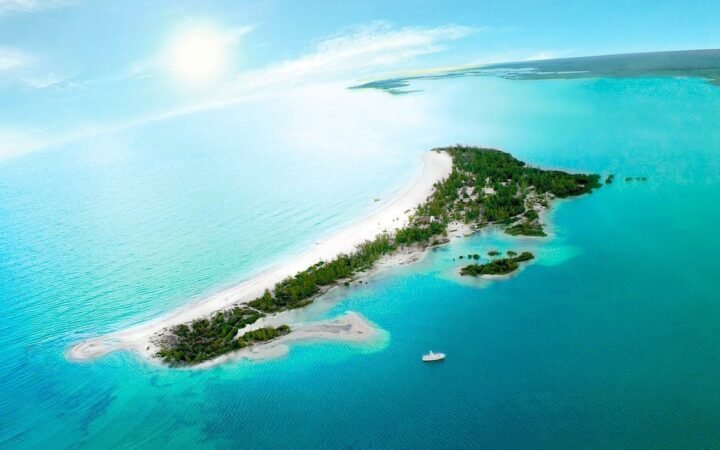
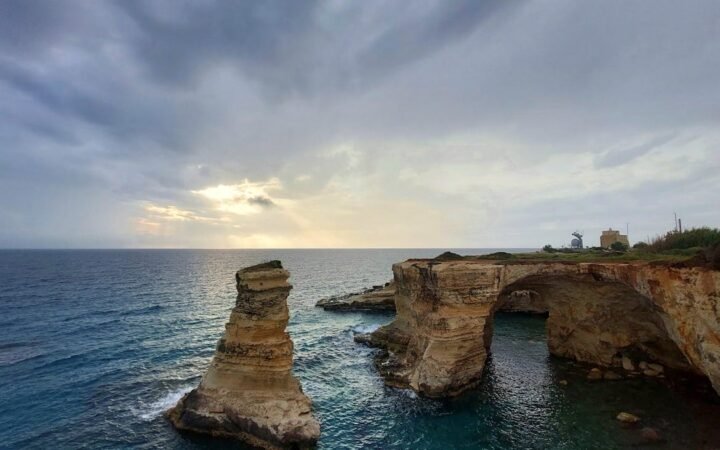
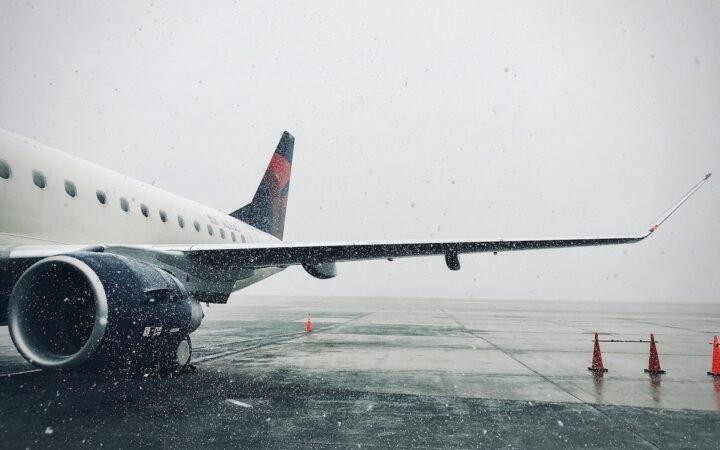
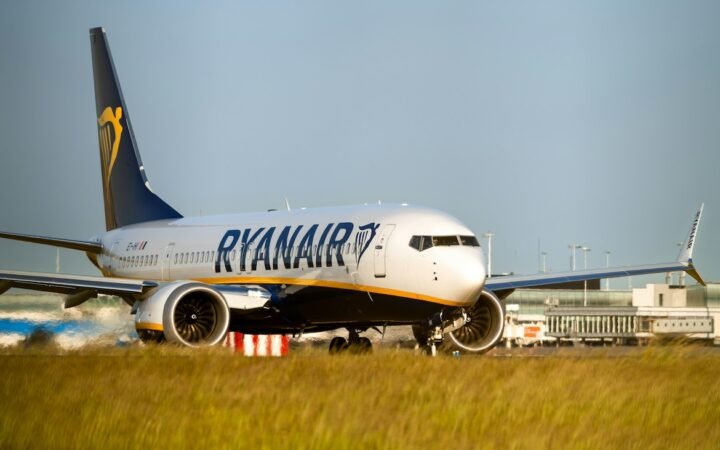
European hot spots including Italy, Spain, and Greece are rolling out aggressive anti-overtourism measures – ranging from reservation-only beaches and short-term rental bans to cruise caps and digital border systems – to protect local life and heritage amid surging visitor numbers.
By Yuliya Karotkaya
Published:
Updated:
Europe’s top destinations introduce sweeping overtourism rules and new digital entry systems, reshaping how visitors experience the continent. Photo: Jonas Von Werne / Pexels
Europe’s beloved destinations are implementing serious changes to prevent overtourism from overwhelming their communities and ecosystems. In Sardinia, iconic beaches like La Pelosa, Cala Goloritzé, and Cala Luna now require reservations through official apps, with daily limits enforced to preserve fragile shorelines and reduce overcrowding. The results are already visible – lower visitor numbers translate into healthier ecosystems and a smoother experience for those with confirmed access, though spontaneous visits are now largely off the table.
Meanwhile, Spain is cracking down on the housing side of tourism. Cities like Barcelona and Palma de Mallorca are phasing out short-term rental licenses by 2028 and shutting down thousands of unlicensed listings. The aim is to restore balance to housing markets and curb the phenomenon of neighborhoods turning into tourist-only zones. Vacationers are being nudged toward licensed hotels and regulated stays – something to keep in mind when planning those last-minute bookings.
Protecting Fragile Destinations: Cruise Caps and Authorised Access
Greece has taken visible action too, especially for its overrun islands. Santorini and Mykonos now operate under cruise ship caps, with an additional €20 passenger fee going toward infrastructure support. The result? Fewer crowds during peak periods, though travelers should verify cruise itineraries – less access could mean rerouted ports or rescheduled visits.
Italy’s Sardinia, along with cruise-era regulations, is also introducing penalties for antisocial behavior across several cities. Tourists caught sitting on the Spanish Steps in Rome might be fined up to €400, while public drinking bans and dress code rules are being enforced in Ibiza, Mallorca, and historic centers throughout the continent. These rules aren’t about stopping fun – they’re meant to preserve public spaces and cultural landmarks for everyone.
Europe’s Digital Border Overhaul: EES and ETIAS Take Shape
Behind the scenes, the EU is pressing ahead with its digital transformation of border control. Starting in October, the new Entry/Exit System (EES) will replace manual stamps with automated biometric checks – collecting fingerprints and facial data alongside travel details. Travelers will need proof of accommodation, health insurance, and a return ticket to pass through smoothly.
Shortly after, the ETIAS (a mandatory travel authorisation akin to the U.S. ESTA) will launch. It offers three-year validity at a €20 flat rate and streamlines entry for visa-exempt visitors. Although rollouts were delayed, EU officials confirm that EES and ETIAS are coming soon as standard requirements. Travelers must prepare in advance – failing to comply may result in delays, denied boarding, or extended lines.
Europe’s approach to overtourism is now multifaceted: combining limits on access, legal enforcement, and digital monitoring systems. These measures raise the bar for travelers – requiring more planning, compliance, and respect – but they also aim to safeguard destinations and offer a more sustainable, meaningful travel experience. For those willing to adapt, the reward may be escaping the crowds and connecting more deeply with local culture and nature.
Tour operator Trafalgar has taken a major step into river cruising, joining Cruise Lines International Association (CLIA) UK & Ireland and preparing for the debut of its first two river ships – Trafalgar Reverie and Trafalgar Verity – in 2026.
By Yuliya Karotkaya
Published:
Updated:
Trafalgar joins CLIA as it prepares to launch its first two river cruise ships - bringing guided touring to the waterways of Europe in 2026. Photo: Cruise Lines International Association
Trafalgar, long known for its immersive guided bus and land-based tours, has announced its formal entry into river cruising. By joining Cruise Lines International Association (CLIA) UK & Ireland as a river cruise operator member, Trafalgar gains access to a deep reservoir of industry support – training, trade events, marketing toolkits, and specialist webinars – to ensure a strong and informed debut. The move reflects more than brand expansion – it’s a strategic pivot that leverages CLIA’s expertise and signals Trafalgar’s commitment to delivering high-quality river cruise experiences aligned with its tour-focused heritage.
Launching New Vessels for the Rhine and Danube
Trafalgar’s river cruise debut will feature two purpose-built vessels – Trafalgar Reverie and Trafalgar Verity – each accommodating 128 guests. These ships will launch in April 2026, navigating Europe’s iconic waterways: the Rhine and the Danube. Designed to resemble the guided touring model Trafalgar is known for, these journeys aim to blend exploration with comfort, giving guests access to riverside towns and cultural treasures while enjoying the guidance and storytelling that define Trafalgar’s tours.
Trafalgar leaders emphasize their confidence in this move. The company’s Managing Director for the UK and Ireland described joining CLIA as a “thrilling new chapter,” citing the river cruise sector’s consistent demand growth and promising outlook. By working with travel agents supported by CLIA’s network and resources, Trafalgar sees a clear path to building market awareness and delivering consistent experiences.
Bridging Touring Expertise with River Cruise Elegance
This expansion marries Trafalgar’s legacy with a format beloved by luxury and cultural travel seekers. River cruises offer slow-travel rhythm, curated port stops, and access to hidden corners – perfect for guests who appreciate context, heritage, and local immersion.
Retention of guiding-style services – a Trafalgar signature – on board promises differentiated experiences versus traditional river cruise lines. With CLIA backing, the operator plans to harness best practices in ship operations, sustainability, and market positioning. This positions Trafalgar well to stand out amid crowded itineraries and rising guest appetite for high-touch but relaxed travel options.
As the 2026 launch approaches, the river cruise market awaits how Trafalgar’s established touring expertise will humanize European waterways – bringing walking tours, local host insights, and curated cultural encounters into the onboard environment.
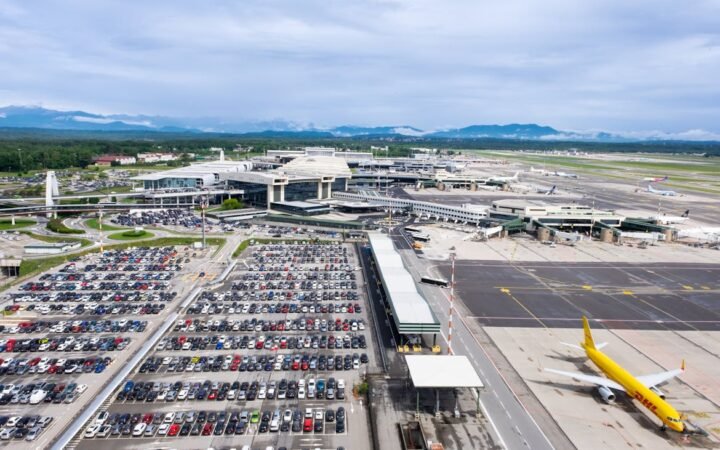
Qatar Airways will relocate its New York operations to the state-of-the-art New Terminal One at JFK in 2026, marking the opening of its first-ever U.S. airport lounge – a 15,000 sq ft premium facility offering direct gate access, VIP check-in, and world-class amenities.
By Yuliya Karotkaya
Published:
Updated:
Qatar Airways will open its first-ever U.S. lounge - a 15,000 sq ft Business Class facility - at New York’s JFK New Terminal One in 2026. Photo: John F. Kennedy International Airport
Qatar Airways is making a significant upgrade at New York’s JFK Airport. In 2026, the airline will move its New York operations from Terminal 8 to the much-anticipated New Terminal One. Along with this relocation comes the launch of its entirely new 15,000-square-foot U.S. airport lounge, the airline’s first dedicated lounge in the United States.
The move highlights both Qatar’s commitment to premium services and its strategic emphasis on New York as a vital hub in its global network. The revitalized terminal and lounge aim to deliver seamless customer journeys with a touch of Doha-based sophistication at every point of contact. The new Terminal One is a marquee element of JFK’s $19 billion modernization project.
A Lounge Like No Other: Amenities Redefined
Qatar’s new U.S. lounge is being crafted to set a new standard for airport hospitality. With direct access to boarding gates, the facility promises efficiency and exclusivity for premium travelers. Expect VIP check-in services to streamline entry, along with relaxation zones for unwinding, seller-curated dining experiences, and a selection of premium food and beverage options.
The facility will also accommodate cultural and lifestyle needs with built-in prayer rooms, children’s play areas, and duty-free shopping, all designed under one roof. The airline’s CEO, Engr. Badr Mohammed Al-Meer, emphasized that this lounge will mirror Qatar’s award-winning onboard service starting the moment travelers enter the terminal. Having multiple lounges already in cities like London, Paris, Singapore, Beirut, and Bangkok, the JFK lounge will become Qatar’s sixth international facility outside Doha, further developing the brand’s global premium footprint.
Terminal One: A Game-Changing Gateway for New York
The relocation to New Terminal One positions Qatar Airways within a modern, light-filled terminal that elevates the New York travel experience. Designed to become JFK’s largest international terminal, the new facility is expected to open in phases starting in 2026 and fully complete by 2030. Its sweeping architecture, incorporated retail options, and streamlined ground transportation system will support a better travel flow – reflecting the airport’s development into a global gateway.
Qatar’s move also aligns with the terminal’s goal to become a Skytrax top-ranked experience. Importantly, it invites broader collaboration with global carriers, offering premium travelers cohesive services across the terminal. While currently the airline operates from Terminal 8, this shift allows for improved services – but connectivity to other terminals may become more complex. Despite this, Qatar seems confident that the long-term gains in luxury and brand visibility outweigh the short-term inconvenience for connecting passengers.
Soho House is set to go private in a $2.7 billion takeover by MCR Hotels, delivering a 17.8% premium to shareholders. Actor Ashton Kutcher will join the board, while founder Nick Jones and Yucaipa retain majority control.
By Yuliya Karotkaya
Published:
Updated:
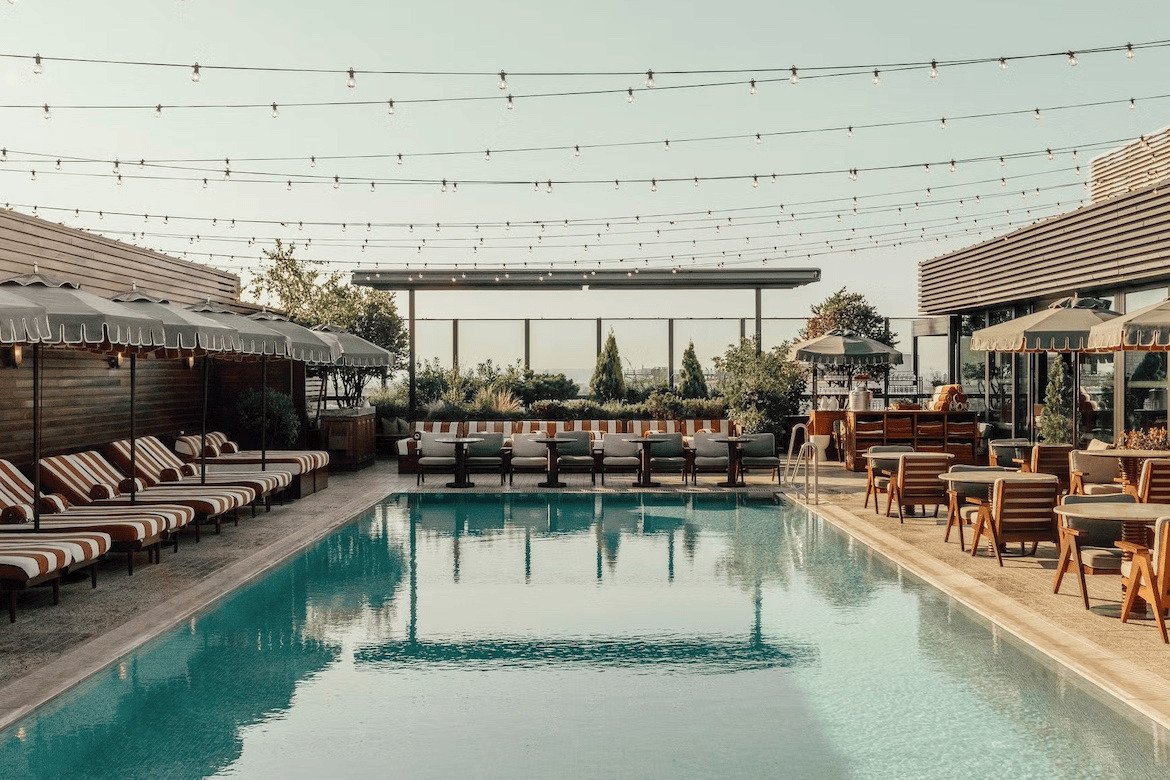
Soho House will go private in a $2.7 billion deal led by MCR Hotels, with Ashton Kutcher joining the board as the company refocuses on long-term growth. Photo: Soho House
Soho House has announced plans to go private in a $2.7 billion acquisition organized by MCR Hotels. The deal will offer shareholders $9 per share, a 17.8% premium over the company’s recent closing price, and has already caused shares to jump sharply in early trading. Once completed, the move will transition Soho House from a public company to a privately held one – solidifying decisions under closer control and away from the scrutiny of quarterly earnings cycles.
New Leadership & Strategic Direction Post-Privatization
Key changes accompany this acquisition. Actor and tech entrepreneur Ashton Kutcher will take a seat on the board, bringing visibility and digital insight. At the same time, Neil Thomson has been named Chief Financial Officer, stepping in for outgoing executive Thomas Allen. Notably, founder Nick Jones and investor Ron Burkle’s firm Yucaipa will retain approximately three-quarters of the company’s ownership, maintaining influence over strategic direction. Funding for the deal includes significant support – roughly $850 million – from affiliates of Apollo Global Management, using a structured combination of debt and equity financing.
Looking Beyond the Public Markets
Soho House’s leadership sees this privatization as a chance to refocus the brand away from the volatility of public trading. Over the past few years, rapid expansion across Europe, North America, and Asia diluted its exclusive image, while changing consumer spending habits have weighed on revenue. One financial strategist noted that celebrity branding and aggressive growth alone won’t sustain a lasting future without sharper strategic direction. By going private, Soho House can reposition itself, fast-track investments, and realign with its membership ethos – free from the pressures of earnings season.
Supporters of the deal include hedge fund manager Daniel Loeb, whose firm holds nearly 10% of ownership. Loeb praised the move and emphasized his confidence in the firm’s leadership, while Apollo leaders suggested Hybrid financing – a mix of equity and debt – allows them to invest in situations that would otherwise fall outside their standard underwriting. The deal exemplifies the broader appeal of private ownership in times of economic uncertainty – where long-term vision can outweigh short-term stock market performance.
Norwich Castle’s medieval keep has reopened as the ‘People’s Palace’ following a five-year, £27.5 million restoration, now welcoming visitors to all five floors for the first time in its 900-year history.
By Yuliya Karotkaya
Published:
Updated:
Norwich Castle’s light-filled atrium and restored exterior highlight its majestic Norman architecture revitalized for modern visitors. Photo: Norfolk Museums Service
Norwich Castle Keep has reopened to the public after an extensive five-year renovation project, welcoming visitors into every level of its 900-year-old structure for the first time in history. Rebranded as the “People’s Palace,” the keep now stands as one of the most accessible Norman castles in the UK, marrying ancient grandeur with contemporary inclusivity and immersive storytelling.
A Royal Palace Reborn: Restoration and Accessibility
The project, known as “Royal Palace Reborn,” received significant support – including a £13 million grant from the National Lottery Heritage Fund and £12 million from Norfolk County Council. These funds enabled the complete refurbishment of the castle’s interior and infrastructure, restoring original floors, rooms, and royal chambers with meticulous attention to historical detail. Architects restored the iconic Caen limestone façade, while engineers ensured the stability and preservation of its medieval structure.
A dramatic and thoughtful addition is the light-filled glass atrium constructed next to the Keep, which opened to the public in 2024 and now serves as an inviting entrance that leads directly into the heart of the castle. For the first time, visitors can access all five floors – basement to battlements – effortlessly thanks to a newly installed lift, making the site step-free throughout. This renovation makes Norwich Castle Keep the most accessible medieval keep in the country.
Immersion, Discovery, and Storytelling Across Generations
Inside, the renovation embraces multisensory experiences. The Great Hall features dynamic audio-visual projections that bring medieval life to life through rich visuals and soundscapes. Visitors can engage with tactile maps and sensory installations that allow them to feel, hear, and touch elements of the past – like stepping into a Norman throne or accessing immersive medieval scenes.
A standout feature is the Gallery of Medieval Life, curated in partnership with the British Museum. This space showcases over 900 artifacts, including more than 50 loans from the museum, which collectively tell stories from across medieval society: from artisans and clergy to noble families. Beyond objects, the gallery invites engagement with personal stories – character panels highlight real individuals who once lived in or around the keep during its original royal heyday.
Additional design enhancements include a café, gift shop, and public facilities such as updated restrooms and learning spaces – creating a more comfortable and engaging experience for families, school groups, and tourists. The restored battlements now offer sweeping views across the rooftops and spires of Norwich, providing a literal and metaphorical high point to the visit.
Visitors are also greeted by unique local craftsmanship. The Norwich Friends’ Tapestry – a stunning, volunteer-created textile masterpiece – depicts regional historical events and hangs in the King’s Chamber, weaving community pride into the castle’s narrative.
Tokyo has topped the 2025 Work from Anywhere Barometer, earning its spot as the world’s most ideal city for blending work and travel – thanks to its high-speed internet, transport, safety, culture, and new digital nomad visa.
By Yuliya Karotkaya
Published:
Updated:
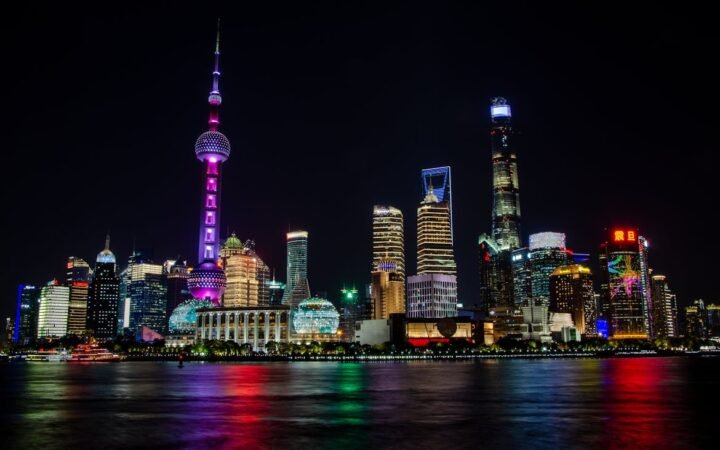
Tokyo claims the top spot as the world’s leading 'workation' hub in 2025, praised for its infrastructure, culture, safety, and digital nomad visa. Photo: Nick Kwan / Pexels
Tokyo has officially been crowned the number one global destination for “workations” in 2025, according to the latest ranking by the International Workplace Group (IWG). Evaluating 40 cities around the world, the Work from Anywhere Barometer assessed a mix of 12 factors – from broadband speed and transport efficiency to cultural richness, safety, cost, and even proximity to nature. Tokyo excelled across the board, scoring an impressive 91 out of 120.
The city was particularly praised for its blazing-fast internet access, world-class transport infrastructure, ultra-high safety standards, and vibrant cultural scene. On top of this, Tokyo benefits from Japan’s newly launched digital nomad visa, which allows professionals to live and work in the country for up to 12 months, making the city not just viable – but highly attractive – for remote workers craving structure with adventure.
Why Tokyo Tops the Workation Charts
What sets Tokyo apart is its holistic offering that balances professional productivity with lifestyle fulfillment. For many remote workers, the idea of working amidst neon-lit streets, culture-rich neighborhoods, and efficient transit systems is a draw – and Tokyo delivers. The city’s infrastructure supports seamless remote work, while its cultural vibrancy ensures downtime is far from dull. Additionally, Tokyo’s access to nearby natural escapes – from serene mountains to coastal areas – rewards explorers with weekend adventures just a short train ride away.
According to IWG’s data, hybrid work isn’t just trendy – it’s impactful. About 60% of remote-capable workers surveyed said they’re more likely now to extend a holiday by working remotely, compared to just a year ago. Equally telling, 86% identified availability of flexible workspace as a major priority when choosing destinations, reinforcing the importance of infrastructure.
Several cities cracked the top 10 list alongside Tokyo – Rio de Janeiro claimed second place, followed by Budapest, Seoul, Barcelona, Beijing, Lisbon, Rome, Paris, and Valletta. Each offers its own set of strengths: from cultural allure to visa-friendliness and digital infrastructure. Yet none matched Tokyo’s consistency across all crucial dimensions.
Beyond celebrating productivity gains, the ranking signals a broader shift: work and life don’t need to be mutually exclusive. This emerging travel model – working while exploring – caters to a generation that values experience without sacrificing career momentum. As technology continues to decouple work from place, cities that combine digital readiness, livability, and cultural capital will thrive.
Tokyo’s top ranking in 2025 not only confirms its suitability for modern, mobile professionals – it sets an aspirational benchmark for cities seeking to become true global work-leisure hubs.
Seabourn reveals a sweeping collection of ocean and expedition voyages for 2027-2028, featuring 111 departures across 72 itineraries – spanning 369 destinations in 71 countries. Highlights include a Pole‑to‑Pole Grand Expedition, a solar eclipse cruise, and remote wilderness adventures.
By Yuliya Karotkaya
Published:
Updated:
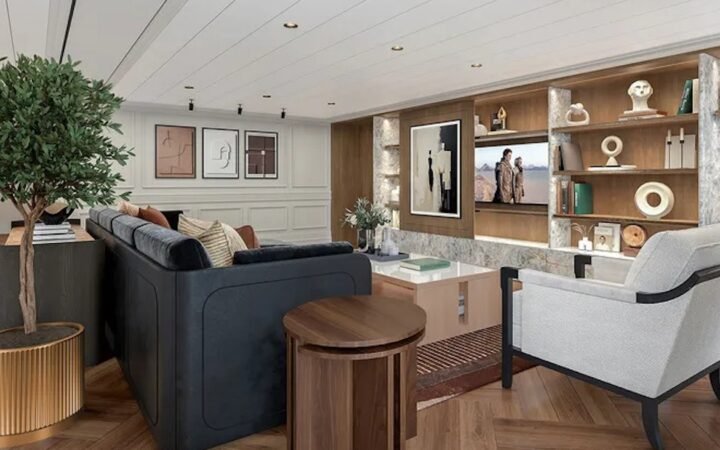
Seabourn’s 2027–2028 season features 111 departures across 72 immersive itineraries - highlighted by solar eclipse voyages and a record-breaking Pole‑to‑Pole Grand Expedition. Photo: Seabourn
Seabourn has unveiled its most ambitious season yet for 2027–2028, combining ultra-luxury ocean cruises with bold expeditions to the planet’s most remote destinations. The new program includes 111 departures across 72 unique itineraries, spanning 369 destinations in 71 countries across all seven continents. Whether seeking arctic wilderness or access to hidden coastal ports, Seabourn’s curated voyages promise once-in-a-lifetime experiences, all delivered with signature comfort and thoughtful design.
The Heart of the Expedition: Pole‑to‑Pole and Polar Extremes
At the apex of Seabourn’s expedition offerings is the newly introduced Pole‑to‑Pole Grand Expedition, a 94-day voyage stretching from the High Arctic down to Antarctica. Travelers aboard Seabourn Venture will traverse 147 degrees of latitude – witnessing the stark beauty of Arctic ice, navigating the Northwest Passage, and reaching the southernmost fringes of Earth. Along the route, expect immersive Zodiac excursions, expert-led nature walks, and culturally rich storytelling.
The Antarctic season features 19 departures lasting 10 to 25 days via Seabourn Pursuit and Venture. Guests begin with a pre-cruise night in Buenos Aires before flying to Ushuaia. Throughout early to late season, voyages offer penguin interactions, possible landings on the frozen sea, dramatic iceberg views, and serene midnight sun – or champagne toast – experiences like “Caviar on the Ice.”
Ocean Cruises with a Cultural Twist: Eclipse Voyages and Mediterranean Artistry
Seabourn’s ocean fleet delivers equally compelling experiences. A standout 14-day Mediterranean cruise aboard Seabourn Ovation departs Monte Carlo in July 2027, sailing toward Dubrovnik under the path of the August 2 solar eclipse – providing a rare, unobstructed viewing opportunity at sea. Voyagers can enjoy curated activities like “Shopping with the Chef” excursions and a relaxing “Marina Day” with onboard water sports at select stops.
Elsewhere, Seabourn Ovation will conduct 127 varied departures throughout the Mediterranean between April and November, calling at 77 ports across 17 countries – including new maiden calls in Volos, Greece, and Bari, Italy. Meanwhile, Seabourn Quest will explore Northern Europe – taking in Norway’s fjords, Icelandic wonders, and cultural highlights across the UK and Baltics in 10 departures to 60 destinations.
Thoughtfully Designed Journeys Across Continents
The full spectrum of Seabourn’s 2027–2028 season connects guests with corners of the world often inaccessible on typical cruise itineraries. Through 28 expedition routes in 39 countries, Seabourn Pursuit and Venture will cover eight to 94-day journeys across the Arctic, Kimberley coast, South Pacific, and more.
In Australia, the Kimberley region awaits with its dramatic landscapes, waterfalls, mangroves, and snorkeling at biodiverse reefs. Guests can also explore Easter Island, Papua New Guinea, and Vanuatu. Across the season, expedition teams of scientists, naturalists, and photographers guide every moment, fostering both enriched insight and added warmth to these journeys.
Amid these offerings, culinary storytelling plays a role too. Local chefs guide immersive cultural experiences – sampling markets and producing onboard menus – blending regional flavors with luxury hospitality. This dazzling 2027–2028 lineup aims not only to deliver travel, but to craft life-enhancing, deeply meaningful encounters across all continents.
Google has launched a new AI-driven feature within Google Flights, called ‘Flight Deals,’ which lets users describe their ideal trip in natural language and instantly receives curated flight suggestions based on real-time fares.
By Yuliya Karotkaya
Published:
Updated:
Google’s new AI-powered 'Flight Deals' tool transforms how travelers search - letting users describe trips naturally and get real-time flight deals instantly. Photo: Google
Google has quietly introduced an AI-powered feature called Flight Deals within Google Flights, reshaping the way travelers can search for flights. Instead of manually entering destinations, dates, and filters, users can now describe the kind of trip they want in everyday language – and Google’s AI will do the rest.
Rolled out in beta in mid-August 2025, Flight Deals is designed for flexible travelers who are less focused on flying to a specific city on set dates and more interested in discovering affordable, interesting experiences. The feature is currently available to signed-in users in the United States, Canada, and India, and can be accessed directly from the Google Flights menu.
How Flight Deals Works
The key difference between Flight Deals and standard Google Flights search is its conversational approach. Rather than filling out dropdown menus, users can enter prompts such as “a week-long beach trip in September,” “ski vacation with nonstop flights,” or even more abstract ideas like “a city with great food and culture in spring.”
Google’s Gemini AI interprets the request and pulls results from Google Flights’ database of airlines and booking partners. Each result highlights not just the price but also whether it’s a “deal” compared to historical fares. According to Google, a flight is labeled a deal when it’s significantly cheaper – often around 20% lower – than the median price typically offered on that route.
Results are organized by percentage savings, with the biggest discounts appearing at the top of the list. If two flights offer the same savings, the cheaper fare is prioritized, while non-discounted options are sorted by lowest price. This gives travelers a quick way to spot where the real bargains are hiding.
Benefits and Limitations
One of the most appealing aspects of Flight Deals is its discovery factor. Instead of limiting yourself to the same handful of destinations, the AI may suggest less obvious but exciting options. For instance, a search for a hiking trip could surface affordable flights to Cluj-Napoca or Ljubljana, while a snorkeling-themed request might bring up Cozumel or Nassau. This emphasis on inspiration makes the tool feel closer to an AI-powered travel agent than a simple booking platform.
The convenience of conversational search is another advantage. By reducing the number of filters and forms, the tool feels more intuitive—closer to describing a trip to a friend than filling out an airline booking form.
However, there are some clear limitations. As of now, the tool doesn’t support multi-city itineraries, trips scheduled far into the future, or group bookings larger than four travelers. It also struggles with overly broad or highly specific queries. For example, a request for “tropical weekend trip less than five hours from Orlando” produced limited results like Miami or Key West, while “cherry blossoms in Japan” returned no deals at all.
Despite these drawbacks, Flight Deals is a promising addition to Google Flights. It won’t always guarantee the absolute lowest fare, but it excels at helping travelers uncover unexpected opportunities at competitive prices. For those open to flexible travel plans, it may become one of the most useful AI-powered tools to plan a memorable trip.
Carnival Cruise Line has opened bookings for its newest Excel-class ship, Carnival Festivale, debuting in 2027 with immersive music-themed zones and adventure-packed itineraries across the Caribbean.
By Yuliya Karotkaya
Published:
Updated:
Reservations are now open for Carnival Festivale - Carnival’s music-themed, Excel-class ship debuting in 2027 with immersive zones and Caribbean cruises. Photo: Ivan Z Photography / Pexels
Carnival Cruise Line has officially opened reservations for its newest vessel, Carnival Festivale, slated to debut in 2027. The ship, part of the popular Excel-class fleet, brings thrills, music, and family fun to the high seas, starting with a transatlantic maiden voyage and followed by a lineup of Caribbean itineraries. With immersive design and entertainment at its core, Festivale is meant to be the ultimate floating festival for guests of all ages.
Music at Sea: Unique Entertainment Zones and Family Fun
This isn’t your typical cruise ship – it’s a celebration built around the universal language of music. From the moment guests step into the ship’s Grand Central atrium, they’ll be immersed in a dynamic musical environment featuring three themed zones:
Studio 724: An interactive audio-visual experience, combining lights, animation, and sound that respond to the music in real-time. It houses vibrant venues like The Spark—an intimate singer-songwriter-inspired bar – and the iconic Alchemy Bar, Piano Bar 88, Mix Bar, and Limelight Lounge.
The Festival: A multi-deck promenade inspired by outdoor music festivals. Expect vibrant lights, festival-fare food stalls like Pizza Palooza and Rhythm & Rolls Deli, and specialty drinks at Festival Grounds Coffee & Bar.
Sunsation Point: Spanning three decks, this family-focused zone boasts Carnival WaterWorks Ultra – Carnival’s biggest waterpark yet – featuring thrilling slides, a baby splash pad, arcade-style games, mini-golf, an adventure course, and nighttime waterpark events with DJs.
These zones blend carnival flair with onboard comfort, offering moments of spectacle, relaxation, and shared fun – designed to spark connection and nostalgia for guests of every generation.
Following its transatlantic launch from Southampton, Festivale will sail to Port Canaveral and embark on a variety of exciting itineraries. Travelers can choose from four-day Bahamian escapes, encompassing experiences at Carnival’s private beach destinations, or opt for six- and eight-day cruises exploring the Eastern and Southern Caribbean. Ports of call include favorites like Amber Cove, San Juan, St. Thomas, St. Maarten, Aruba, Bonaire, Curaçao, and Carnival’s exclusive Celebration Key and Half Moon Cay. A highlight among festive departures: a special New Year’s cruise beginning December 27, 2027.
With its blend of music, immersive zones, and family fun integrated into itinerary design, Carnival Festivale delivers a one-of-a-kind travel experience for guests seeking entertainment, relaxation, and adventure in equal measure.
G Adventures has unveiled a new travel experience designed specifically for those aged 18–30, blending immersive cultural encounters, small-group journeys, sustainable practices, and affordable access to off-the-beaten-path destinations worldwide.
By Yuliya Karotkaya
Published:
Updated:
G Adventures rolls out a travel collection specially for 18-30-year-olds, combining adventure, sustainability, and social impact in small-group global experiences. Photo: RDNE Stock project / Pexels
G Adventures is expanding its portfolio with a dynamic new offering crafted for the 18-to-30 crowd – an age group eager for authentic cultural encounters, adventure, and meaningful connections. This fresh travel style responds to an overlooked segment in group travel: travelers who are mobile, socially-minded, and ready to explore beyond the mainstream checklist.
A Travel Experience Sculpted for the Young Adventurer
This new collection by G Adventures is not a typical tour – it’s a bold invitation to young adults seeking growth, impact, and transformation while traversing the globe. Imagine exploring trekking trails in Nepal, practicing yoga in Bali, volunteering at conservation sites in Costa Rica, or collaborating with community artisans in Morocco – all in small groups, under the guidance of expert local leaders.
The essence of the program is choice and flexibility: travelers can select from categories like Wellness & Balance, Sustainability & Legacy, Digital & Nomadic Lifestyles, and Urban Immersion. Each category offers curated trips that balance affordability and relevance. This means youth travelers can enjoy immersive cultural experiences, social impact activities, wellness practices, or digital connectivity – without breaking the bank.
To ensure value and accessibility, G Adventures incorporates flexible departure dates, various budget tiers, and real-time group transparency. Participants can view group composition early, plan their departures with peers or solo, and book with confidence knowing these are tailored for their interests and budgets.
Behind the scenes, the program is built on G Adventures’ longstanding partnerships with local communities and NGOs. This ensures trips aren’t just sightseeing tours – they support community economic resilience, environmental stewardship, and authentic cultural exchange. Whether helping plant coral in the Maldives or co-creating a mural with urban youth in Peru, travelers contribute to outcomes that echo beyond the journey.
With this launch, G Adventures is addressing evolving travel habits – where young adults prioritize experiences over luxury, meaning over simplicity, and purpose alongside exploration. It’s a travel initiative that respects autonomy, inspires curiosity, and aligns with modern travel ethics. As this demographic continues seeking connections, growth, and makes of travel as personal storytelling – G Adventures meets them where they are, outfitted for experience, change, and discovery.
Lithuania has awarded €235 million in contracts to kick off construction on key sections of the Rail Baltica corridor and inked a €38 million design contract for the southern segment toward Poland – marking significant progress in continental rail integration.
By Yuliya Karotkaya
Published:
Updated:
Lithuania steps forward in building Rail Baltica with major civil works and design contracts that will connect Kaunas to the Poland border as part of the European high-speed rail network. Photo: Rail Baltica AS
Lithuania is accelerating its portion of the Rail Baltica project with a series of major construction and design agreements. The national rail infrastructure operator has signed three civil works and track contracts worth €235 million, covering nearly 19 kilometers near Kaunas. At the same time, a €38.3 million deal was awarded for the design and supervision of the 96-kilometer stretch from the Poland–Lithuania border to Kaunas. Together, these steps are expected to bring construction readiness for almost half of the main corridor by the end of 2025, moving closer to the goal of seamless high-speed rail travel linking the Baltic States with the rest of Europe.
Building Infrastructure: Earthworks and Track Laying
The civil works packages focus on creating rail embankments and essential support structures in challenging terrain southwest of Kaunas. One contract, valued at €97.8 million, covers an 8.5-kilometer section that includes both embankment works and engineering structures, with completion scheduled for early 2028. Another package, worth €123.5 million, targets a 10.4-kilometer section with similar infrastructure goals and the same completion horizon. Additional work on a 12.1-kilometer stretch between Šeta and Ramygala will prepare the corridor for future track installation.
Track laying is also advancing. A 10-kilometer section between Šveicarija and Žeimiai is being prepared, with nearly 9 kilometers of track expected to be operational by the end of this year. Project leaders note that early procurement of materials and strategic planning have been key to keeping the timetable on track.
Linking to the West: Toward Synchronized High-Speed Transit
The design contract awarded to Deutsche Bahn’s engineering division covers the electrified double-track railway from the Poland border through Marijampolė to Kaunas. This 96-kilometer segment is considered the “gateway to the West,” connecting Lithuania’s network directly to Poland’s upgraded standard-gauge rail lines. It will integrate passenger and freight services, modern signaling, and provisions for military mobility.
Once completed, this section will form a vital link in the Rail Baltica corridor, enabling faster, more efficient travel and strengthening economic and cultural ties between the Baltics and Western Europe. Officials see it not only as a transport project but also as a long-term investment in regional connectivity, sustainability, and resilience.
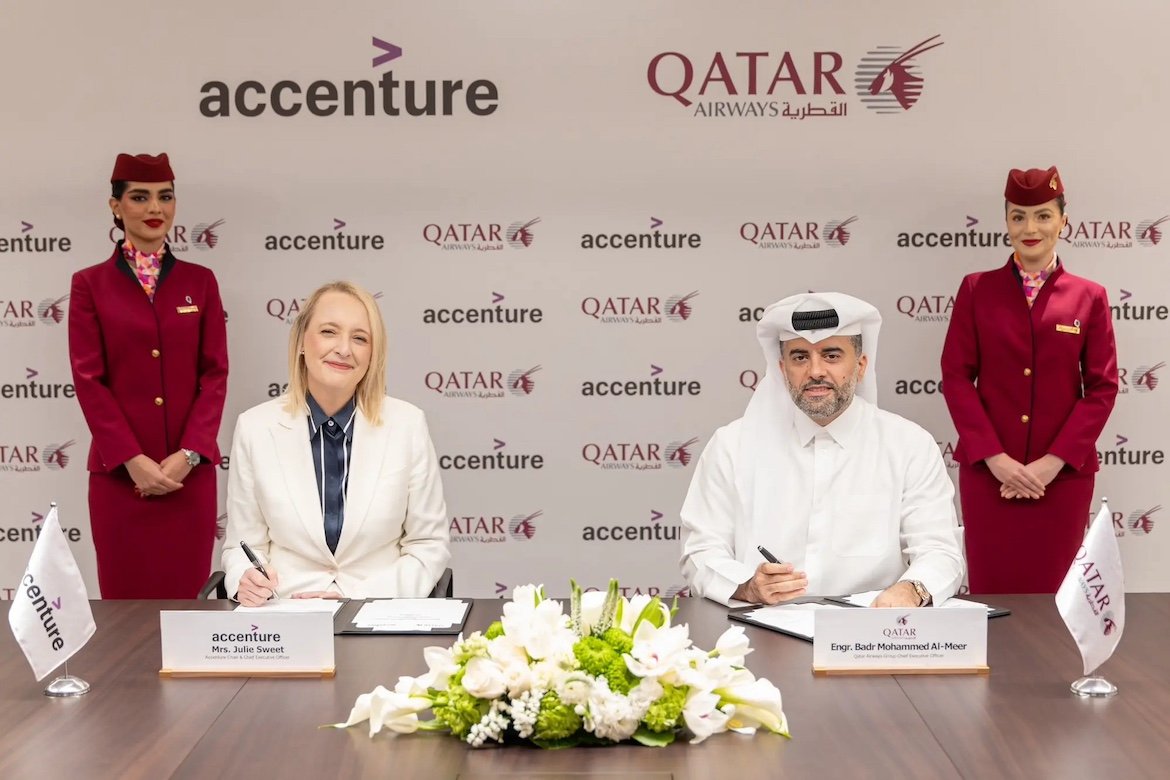
Qatar Airways and Accenture have established ‘AI Skyways,’ a comprehensive AI-powered platform to elevate customer experience, streamline operations, and drive sustainability with data-driven decisions and ethical AI frameworks.
By Yuliya Karotkaya
Published:
Updated:
Qatar Airways and Accenture unveil AI Skyways, an AI-powered collaboration set to enhance flight operations, maintenance, and passenger experience with real-time data and ethical AI oversight. Photo: Qatar Airways
Qatar Airways and Accenture have joined forces to launch AI Skyways, a pioneering AI initiative that aims to transform aviation across customer service, operations, maintenance, and sustainability. Qatar Airways – recently recognized again as the world’s top airline – is positioning itself as an innovator, moving toward a Digital-First model in which AI-driven insights inform decisions at every level of the business.
Streamlining Operations and Enhancing Passenger Experience
At its core, AI Skyways focuses on integrating AI-powered tools across operational workflows. This includes optimizing flight schedules, enabling predictive maintenance by identifying aircraft issues before delays occur, and dynamically managing crew and fleet resources. For passengers, the benefits translate into shorter wait times, fewer disruptions, and more personalized interactions across booking, in-flight, and post-flight support.
A crucial component is the newly established “Value Realization Office,” which not only evaluates expected ROI for each AI deployment but also ensures responsible oversight. By gathering real-time operational data and tracking outcomes, the initiative maintains a feedback loop – enabling continuous refinement of AI tools and ethical guardrails.
Ethics, Resilience, and Future-Proofing Aviation
Qatar Airways and Accenture are emphasizing responsible AI as a cornerstone of the project: ensuring data privacy, avoiding bias, and maintaining transparent governance throughout every phase of deployment. This includes safeguarding customer trust and complying with evolving regulatory standards in data use.
Looking ahead, AI Skyways serves as a platform for innovation and resilience – enabling Qatar Airways to adapt to shifts in passenger expectations, market dynamics, and environmental mandates. By building AI infrastructure that can be scaled and iterated over time, the airline is reinforcing its long-term competitiveness in a volatile industry.
In response to mounting food waste, Turkey is reviewing a proposal to replace the all-inclusive hotel model with an à la carte format. The government calls for legislative reform, but industry insiders argue the shift may remain largely symbolic unless hotels choose to adapt voluntarily.
By Yuliya Karotkaya
Published:
Updated:
Turkey contemplates replacing the all-inclusive system in hotels with an à la carte model aimed at reducing food waste - though implementation remains uncertain. Photo: Zak Chapman / Pexels
Turkey is stepping into a potentially transformative moment for its hospitality industry as authorities consider sweeping changes to the all-inclusive hotel model. Spearheaded by the Presidential Council on Agricultural and Food Policy, a proposal is being drafted to replace open-buffet formats and unlimited meal plans with a la carte offerings. The objective is simple yet ambitious – reduce the staggering levels of food waste the country sees annually.
Tackling Food Waste with Policy Proposals
Food waste has become a national concern. According to the Waste Prevention Fund, approximately 23 million tonnes of food are discarded in Turkey each year, with nearly 35% of fresh vegetables and fruits never making it to the plate. Bread is a particularly distressing statistic: around 4.4 billion loaves are wasted annually. Officials argue that unrestrained buffet formats encourage over-serving and plate waste.
To address this, the proposed legislation aims to restrict buffets and promote à la carte ordering instead. Guests would pay for only what they consume, hoping to incentivize mindful dining. A corollary change under discussion would also remove rigid per-person meal requirements – for example, allowing three guests to share a two-person breakfast, avoiding unnecessary food waste.
Industry Skepticism and Practical Barriers
Despite the environmental rationale, tourism operators are doubtful about the feasibility of mandated change. Experts note that the all-inclusive model has become deeply integrated into booking packages and hotel pricing structures. In fact, without hotel management voluntarily changing the model, any government-imposed regulation may simply drive providers to cluster the charges under new names – keeping the status quo in practice.
Legal experts point out that the government lacks direct authority over hotel service models unless explicitly outlined in tourism or consumer legislation. Until such frameworks are in place, enforcement remains unlikely. Many insiders suggest the proposed reforms are as much about raising awareness around sustainability as they are about immediate action.
A Glimpse Toward a Sustainable Hospitality Future?
While the reforms may face resistance or slow adoption, the move signals growing recognition of sustainability in tourism. Even a partial shift to à la carte options could introduce flexibility for guests and nudge hotels toward waste-conscious practices like portion control and better inventory management.
Some industry visionaries propose hybrid models – where guests can choose between full board, partial board, or à la carte meals, all priced transparently. Such flexibility could appeal to diverse traveler preferences while minimizing excess.
Whether this proposal evolves into enforced policy or becomes a voluntary best practice, the attention it brings to food waste in hospitality may be its most impactful outcome. At minimum, it sets the stage for a more accountable, mindful era in travel experiences.
TCS World Travel unveils its most ambitious itinerary yet: a 29-day private jet journey spanning all seven continents from late December 2026, visiting 12 iconic destinations including Antarctica, Machu Picchu, Angkor Wat, and the Great Barrier Reef.
In late 2026, TCS World Travel will launch its most ambitious private jet expedition yet: Seven Continents by Private Jet. Spanning 29 days and 12 unforgettable destinations, this all-inclusive journey runs from December 27, 2026, to January 24, 2027.
Travelers will visit sites like Machu Picchu, Easter Island, Angkor Wat, and the Great Barrier Reef – culminating in Antarctica before returning to civilization in Cairo and London. This unprecedented itinerary builds on TCS’s long history of around-the-world luxury travel and sets a new benchmark for global adventure.
A Bucket-List Journey Like No Other
This expedition is not just another globe-trotting trip – it’s a curated, bucket-list fulfillment experience. Starting in Miami, guests will journey through South America’s Machu Picchu and Easter Island, sail across the Pacific to Tahiti and Australia’s coral paradise, then onward through Asia to Cambodia and India.
The route continues through Africa’s Zanzibar and Cape Town before the spectacular adventure culminates with an expedition-day to Antarctica. Afterward, travelers witness the wildlife in Kenya’s Maasai Mara, immerse in Egypt’s ancient wonders, and toast the journey’s end in London.
TCS’s collaboration with White Desert enables the rare opportunity to land on a blue-ice runway deep within Antarctica’s interior – offering daylight walks through ice tunnels amid perpetual summer sun.
TCS enhances each stop with stays in luxury resorts from brands like &Beyond, One&Only, and Raffles, while the entire trip is delivered onboard a custom Airbus A321 with flatbed leather seats, a full crew including a chef and physician, and airport-to-hotel logistics fully handled by TCS.
Elevated Service and Industry-Leading Expertise
TCS World Travel’s private jet expeditions are designed to blend effortless comfort with cultural immersion. With 29 days and 15 destinations packed into a single trip, travelers are encouraged to connect deeply with the world’s most iconic places, without ever bearing the burden of planning logistics or transfers.
The all-inclusive package covers everything – from flights and curated excursions to ground transportation, meals, enrichment programming, and optional suite upgrades, turning an intrepid journey into a graceful life experience.
The aircraft itself is among the most spacious and capable in its class, supporting efficient air routes and premium comfort. Expert guides and local access create immersive moments, whether enjoying a Maasai village sunrise in Kenya or savoring local delicacies in India.
As TCS continues to expand its private jet offerings, this new itinerary sits at the pinnacle of experiential travel, channeling a century of exploration into a seamless, once-in-a-lifetime adventure.
Just months after emerging from bankruptcy, Spirit Airlines has issued a dire warning that it may not survive another 12 months without additional funding, as weak demand, shrinking liquidity, and rising costs threaten its viability.
By Yuliya Karotkaya
Published:
Spirit Airlines issues a stark 'going-concern' warning as it warns of potential shutdown without additional funding. Photo: Stanley I Vaughn III / Pexels
Just five months after exiting Chapter 11, Spirit Airlines has issued a stark warning: without a fresh infusion of capital, the airline may not survive the next 12 months. In a troubling SEC filing, the ultra-low-cost carrier cited weak domestic leisure travel demand, intense competition, and dwindling cash reserves. This at-risk declaration has rattled investors and raised serious questions about Spirit’s future stability.
Mounting Financial Pressures and Liquidity Struggles
Spirit reported a net Q2 loss of $245.8 million on revenues of roughly $1.02 billion, representing a 20% year-over-year drop. Its cash balance stands at just $560 million – barely a buffer for ongoing expenses and debt obligations. The company’s “substantial doubt” statement signals that it may soon fail to meet both liquidity covenants and credit card processing agreements, potentially triggering contract stress.
To raise funds quickly, Spirit is pursuing an array of measures: selling assets like aircraft or real estate, monetizing excess airport gates, and launching a Premium Economy product along with pilot furloughs. However, analysts warn these actions may not be enough. With airfares rising only slightly, Spirit remains uniquely vulnerable among airlines due to its focus on low-cost domestic leisure travel – an area with cooling demand.
Industry Impacts and What’s Next
Spirit’s troubles are reverberating through the airline sector. Its warning spurred a 30–45% dive in stock value, even as other carriers benefited from decreased competition and a recent 4% surge in fare inflation. Budget rivals like Frontier, JetBlue, and Sun Country have seen their shares trading stronger as markets anticipate customer migration if Spirit collapses.
Still, the airline itself has not closed the door on survival. With a major December deadline looming for credit card contract renewal, Spirit is racing against time to secure new capital or a potential partnership. Without funding, there’s a possibility the airline may cease operations. Travelers in the near term likely won’t notice immediate disruption – but a failure to secure liquidity would markedly alter the U.S. budget travel landscape.
Join our list to receive latest Blockchain, Crypto & Fintech news:
WordPress database error: [Table 'u752143311_aXVuj.wp_coingecko_coins' doesn't exist]
SELECT coins.*, meta.post_id as post_id
FROM `wp_coingecko_coins` coins
INNER JOIN wp_postmeta meta ON (meta.meta_key = 'wpcf-coin-main-tag' AND meta.meta_value = coins.slug )
ORDER BY market_cap_usd
DESC LIMIT 9