From AI-powered trip planning to eco-friendly escapes, these 10 travel trends are shaping how the world explores in 2025.
By Yuliya Karotkaya
Published:
Updated:
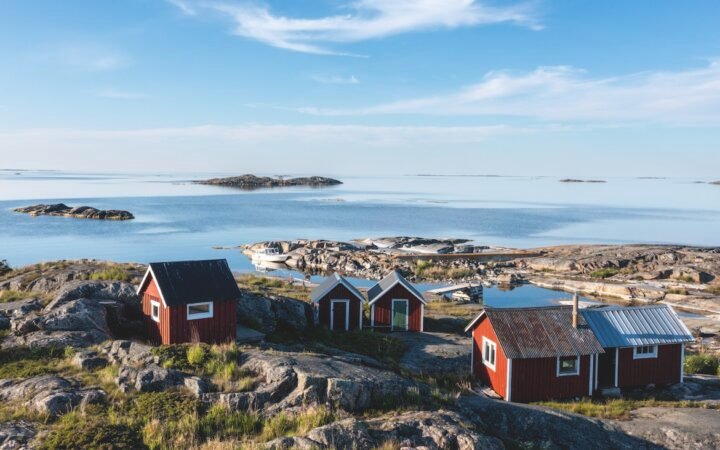
Travel in 2025 blends technology, sustainability, and immersive experiences for global explorers. Photo: Rana Sawalha / Unsplash
Travel in 2025 is undergoing a transformation driven by changing traveler values, rapid technological innovation, and a growing focus on sustainability. Today’s globetrotters are no longer satisfied with simply seeing new destinations – they want to live them. Trips are more personalized, immersive, and eco-conscious than ever. Here are ten trends shaping how we will explore the world this year.
1. AI-Powered Trip Planning
Artificial intelligence has become a game-changer in the travel industry. Instead of manually researching destinations, flights, and hotels, travelers are using AI-based apps and platforms to craft itineraries that perfectly fit their preferences, budget, and schedule. AI tools can now recommend hidden gems, predict crowds, and even adjust plans in real-time based on weather or local events. For busy travelers, this means seamless journeys that feel tailor-made without hours of preparation.
2. Sustainable and Low-Impact Travel
Eco-friendly travel is no longer a niche – it’s an expectation. Travelers are choosing destinations and services that prioritize the environment. From staying in solar-powered hotels to taking trains instead of short-haul flights, eco-conscious decisions are reshaping tourism. Protected nature reserves, low-emission transportation, and carbon offset programs are becoming essential for destinations aiming to attract the new generation of responsible travelers. Many are even willing to pay more for trips that minimize their ecological footprint.
3. Experience-First Vacations
Modern travelers are moving beyond the “checklist” mentality. Instead of racing through landmarks, they want to immerse themselves in local life. Experiences like cooking regional dishes with local chefs, joining art workshops, or participating in community-led tours are more appealing than passive sightseeing. In 2025, the focus is on creating memories rather than just collecting photos. A single cooking class or cultural festival can become the highlight of a trip.
4. Work and Travel Lifestyles
Remote work continues to influence travel behavior. Digital nomads, once a fringe community, are now mainstream. Countries like Portugal, Thailand, and Costa Rica are offering extended-stay visas for remote workers, while cities are adapting with coworking cafés and nomad-friendly infrastructure. This trend allows travelers to stay longer, explore slower, and contribute economically to local communities, all while keeping their careers on track.
5. Luxury Meets Personalization
Luxury travel in 2025 is defined by bespoke experiences rather than traditional opulence. Travelers are prioritizing privacy, personalization, and authenticity. Think private island getaways, exclusive winery tours, and curated wellness retreats that focus on personal transformation rather than just indulgence. Even five-star hotels are focusing on crafting experiences unique to each guest rather than standard luxury offerings.
6. Rise of Secondary Cities
Overcrowded tourist hotspots are prompting travelers to look for alternatives. Instead of Paris or Rome, travelers are exploring Bordeaux or Bologna, where they can enjoy authentic culture without the crowds. Airlines and rail networks are increasingly connecting these secondary cities, making them more accessible. This trend not only spreads tourism income but also gives travelers a richer sense of discovery.
7. Adventure and Wellness Fusion
Adventure travel and wellness experiences are blending in exciting ways. Hiking trips now include yoga sessions, scuba diving trips are paired with spa retreats, and cycling tours through scenic landscapes end with mindfulness workshops. This hybrid approach caters to travelers seeking both thrill and self-care, reflecting a growing desire to return from a vacation healthier and more energized than when they left.
8. Culinary Travel and Local Food Experiences
Food has always been central to travel, but in 2025, culinary exploration is a primary motivation for choosing destinations. Travelers are signing up for food tours, visiting local markets, and booking farm-to-table dining experiences. Immersive options like truffle hunting in Italy or street food tours in Bangkok allow visitors to connect with a culture through its flavors and traditions.
9. Technology-Enhanced Journeys
The integration of technology is making travel smoother than ever. From biometric check-ins at airports to AR-powered city tours, the journey is becoming as seamless as the destination experience. Smart luggage tracks itself, translation apps break down language barriers instantly, and virtual reality previews help travelers choose where to go next. These innovations are reducing stress and opening new opportunities for exploration.
10. Multi-Generational and Group Travel
Travel is increasingly about connection. Families and friends are traveling together in larger groups, planning multi-generational trips or reunion vacations. Villas, cruise cabins, and eco-lodges designed for groups are in high demand. These trips create shared memories and often focus on experiences everyone can enjoy, from guided nature walks to private cultural tours.
As 2025 unfolds, these ten trends show how travel continues to evolve toward personalization, sustainability, and meaningful connection. Whether you’re planning a solo escape, a family reunion, or a digital nomad adventure, the future of travel is about going deeper, living local, and creating unforgettable experiences.
Slovenia is preparing to launch its highly anticipated digital nomad visa, offering remote workers a chance to live and work legally in one of Europe’s greenest and most scenic countries.
By Yuliya Karotkaya
Published:
Updated:
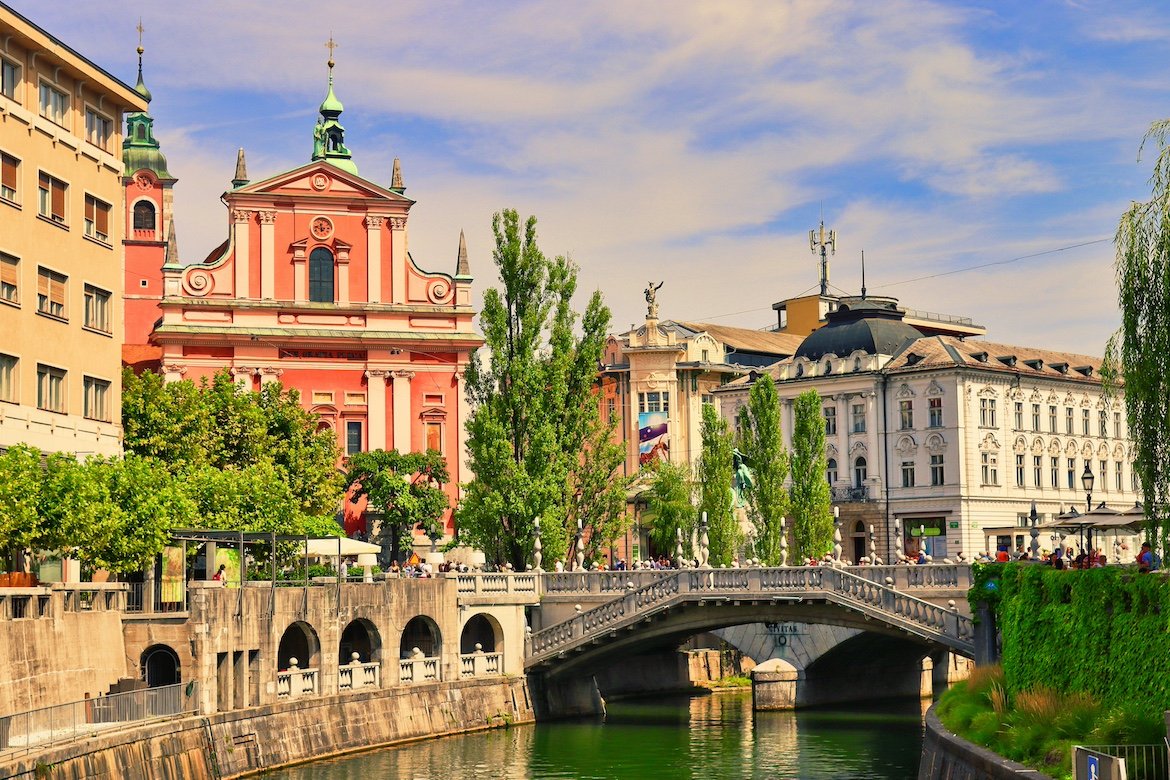
Slovenia’s natural beauty and digital infrastructure make it an ideal destination for remote workers on the new visa. Photo: detait/Unsplash
Slovenia is joining a growing list of European countries opening their doors to remote workers. The government has confirmed plans to launch a dedicated digital nomad visa later this year, aimed at attracting professionals who work online and want to base themselves in one of Europe’s most picturesque and sustainable destinations.
While an exact launch date has yet to be announced, Slovenia’s Ministry of the Interior has indicated that the visa will be available by the end of 2025. The digital nomad visa will offer a legal pathway for non-EU remote workers to stay in the country for up to one year, with the possibility of extension.
Eligibility, Requirements & Application Process
To qualify for Slovenia’s digital nomad visa, applicants must be non-EU citizens who work remotely for a company registered outside of Slovenia, or are self-employed in an online-based business. Proof of sufficient income – around €2,600 per month – is required, along with valid health insurance and a clean criminal record.
Applicants will be able to apply either through a Slovenian embassy in their home country or directly within Slovenia. According to preliminary guidance, visa holders will also be allowed to bring immediate family members with them, though additional documentation will be needed.
A New Hub for Remote Workers in Europe
Slovenia’s entry into the digital nomad visa space reflects the country’s growing appeal as a lifestyle destination. Known for its green credentials, low cost of living, high-quality healthcare, and excellent digital infrastructure, Slovenia offers the perfect balance of work and leisure for remote professionals.
With popular destinations like Ljubljana, Bled, and Piran offering fast internet, co-working spaces, and a relaxed pace of life, Slovenia is positioning itself as a new contender in Europe’s competitive remote work scene. For digital nomads craving nature, mountains, lakes, and proximity to both Central and Southern Europe, Slovenia may soon become the next go-to base.
Glasgow has become the first Scottish city to approve a visitor levy, introducing a £5-per-night tourist tax from 2027 to support local infrastructure and public services.
By Yuliya Karotkaya
Published:
Updated:
From 2027, visitors to Glasgow will pay a £5 tourist tax per night—marking Scotland’s first citywide visitor levy to support sustainable tourism and local services. Photo: Muhammed Zahid Bulut/Pexels
Glasgow has officially approved a new tourist tax, becoming the first Scottish city to implement such a levy. Beginning in spring 2027, visitors will be required to pay a £5 per night charge on all paid overnight stays. The policy applies to hotels, short-term lets like Airbnb, hostels, and guesthouses, and will be capped at 21 consecutive nights.
The move comes after the Scottish Parliament passed the Visitor Levy (Scotland) Bill, giving local authorities the power to introduce the tax. Glasgow City Council aims to use the revenue—estimated at £10–15 million annually—to reinvest in tourism infrastructure, cultural offerings, and public services that are impacted by high visitor numbers.
City officials have emphasised that the levy is not meant to deter tourism but rather to make it more sustainable and beneficial to local communities. A public consultation and stakeholder engagement process will begin later this year to finalise details before the 2027 rollout.
Tourism Sustainability Meets Economic Strategy
Glasgow, Scotland’s largest city, has long been a major cultural and conference destination, drawing millions of visitors annually. The tourist tax is being positioned as a measure that balances economic growth with local wellbeing, ensuring that tourism development doesn’t come at the expense of public infrastructure or resident satisfaction.
The levy is expected to support services such as street maintenance, public transport enhancements, and local attractions, all of which face added pressure during peak travel seasons. Glasgow’s leaders see the policy as aligning with broader European trends—similar taxes already exist in cities like Paris, Barcelona, and Amsterdam.
Mixed Reactions from Industry and Residents
While many residents and local organisations have welcomed the move, the response from the hospitality sector has been mixed. Some hotel operators are concerned about the administrative burden and competitive disadvantages, particularly in comparison with cities in England where no such levy is yet planned. However, others have expressed cautious support, noting that reinvestment into the visitor experience could drive long-term benefits.
Glasgow City Council plans to work closely with tourism stakeholders to ensure the policy is implemented fairly and transparently. The city’s approach could become a model for other Scottish regions considering similar measures in the coming years.
Jeff Bezos and Lauren Sánchez’s multi-day wedding in Venice has ignited fierce backlash over ongoing overtourism, with locals proclaiming “No Space for Bezos” amid fears the event underscores the city’s transformation into an elite playground.
By Yuliya Karotkaya
Published:
Updated:
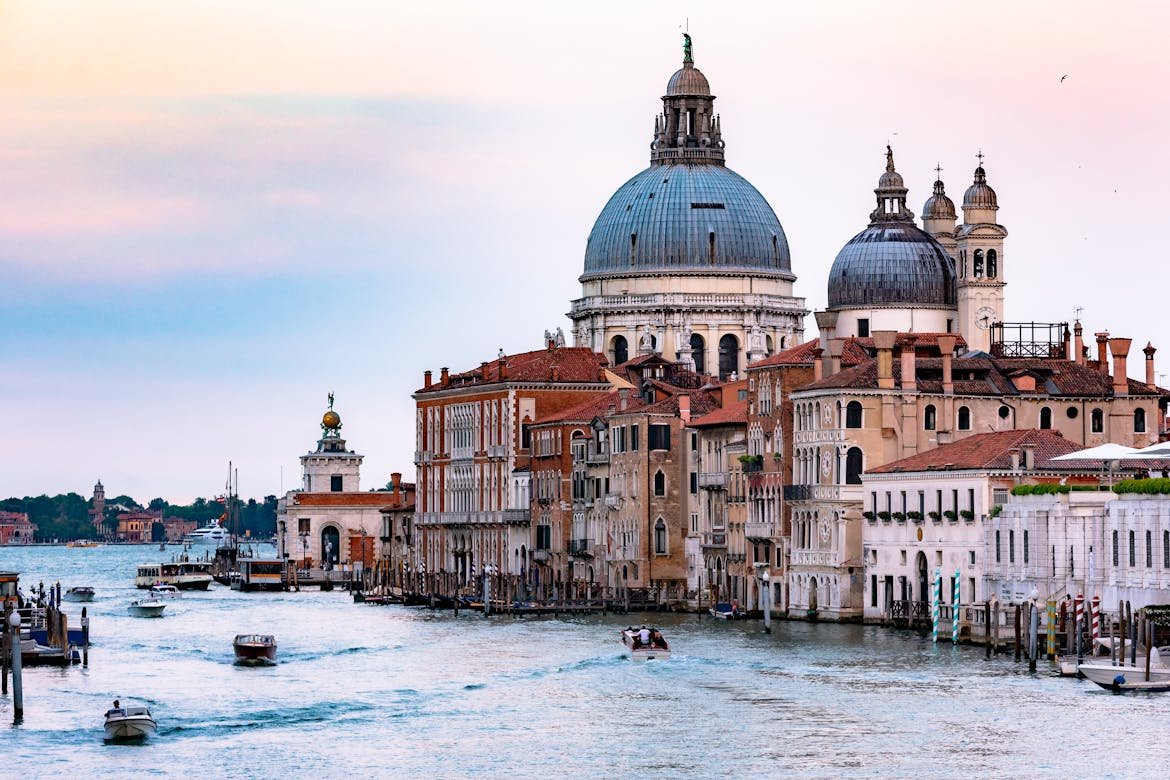
Protesters display “No Space for Bezos” banners near St. Mark’s Basilica in Venice as the city confronts the fallout from Jeff Bezos’s luxury wedding amid overtourism. Photo: Wolfgang/Pexels
Jeff Bezos and Lauren Sánchez are set to marry in Venice in late June 2025, hosting a lavish, star-studded celebration on the islands of San Giorgio Maggiore and possibly Scuola Grande della Misericordia. The couple have secured around 200 guests, including celebrities like Oprah Winfrey and Katy Perry, and are reportedly utilising high-end venues and superyachts for the festivities.
From the outset, however, the event has provoked a wave of resistance from Venetian activists. Protesters under the slogan “No Space for Bezos” have hung banners from key sites including Rialto Bridge and the bell tower of San Giorgio Maggiore.
More than symbolic gestures, they plan waterborne demonstrations to block guest arrivals in canals and alleyways. Their argument: using Venice as “a private ballroom” for the ultra-rich symbolizes deeper issues of commercialization, inflated living costs, and displacement of residents exacerbated by overtourism.
A City Caught Between Luxury and Livability
Venice is grappling with dramatic population decline—now at around 50,000—and record tourist volumes, often exceeding 4–5 million annual visitors. The influx of superyachts, upscale events, and short-term rentals has pushed living costs and rent higher, threatening the city’s cultural fabric and housing accessibility. Protesters argue that the Bezos wedding crystallises this trend—commercial displays and elite privileges, they say, have overshadowed local needs.
Yet not everyone opposes the wedding. Mayor Luigi Brugnaro and regional officials welcome the event, citing economic benefits for gondoliers, florists, hotels, and tourists—highlighting a delicate balance between heritage protection and financial gains. Organisers have pledged to minimise disruption, using 80 percent local vendors and donating to charities, while water taxi usage is said to be managed to avoid monopolisation.
What the Protests Reveal
The backlash underscores a cultural reckoning over who Venice is for. Activists argue this isn’t about the wedding per se, but about reclaiming civic space from commercialization and ensuring the city remains lived-in, not a spectacle.
Quotes like “Bezos arrogantly believes he can take over the city” and “Venice is now just an asset” reflect a growing sentiment that the city needs genuine constraints on tourism and high-end events.
Whether the protests disrupt the planned celebrations or prompt policy change, the conflict over the Bezos wedding highlights a broader urban challenge: preserving the soul of Venice amid waves of luxury tourism. The question remains—can a UNESCO‑listed city retain its essence while playing host to the world’s elite?
AAA projects a historic 72.2 million Americans will travel for the Independence Day holiday week, driven by strong consumer confidence, lower gas prices, and increased air capacity.
By Yuliya Karotkaya
Published:
Updated:
Americans are expected to take to the roads and skies in record numbers this July 4th week, with 72.2 million travellers projected nationwide. Photo: Jess Loiterton / Pexels
The American Automobile Association (AAA) forecasts a record-breaking 72.2 million Americans will travel over the week of July 4th this year—marking the highest number ever recorded for the holiday. The travel window, defined as Saturday, June 29 through Sunday, July 7, reflects a 5% increase over last year’s numbers and surpasses pre-pandemic levels for the first time.
Travel demand is being driven by robust consumer confidence, easing fuel prices, and improved airline operations. AAA notes that nearly 86% of these travellers—about 65.5 million people—will take to the roads, while air travel will also hit new heights, with 5.7 million flying over the holiday period.
This year’s extended weekend and the midweek timing of Independence Day allow more flexibility for vacation planning, prompting Americans to stretch their celebrations into a full week of travel.
Strong Travel Trends Across All Modes of Transport
Road trips remain the most popular option, buoyed by average national gas prices staying below $3.50 per gallon—a welcome relief for families and long-distance travellers. Major urban hubs such as Orlando, Seattle, Chicago, and Las Vegas are expected to be among the top destinations, with peak traffic projected during the afternoon and early evening hours of July 3 and July 7.
Airports are preparing for a surge, with domestic flight bookings up 7% from 2024. AAA’s data shows that airfare is 2% lower on average this year, largely due to expanded capacity from major carriers and stabilised fuel costs. Airports such as Atlanta, Denver, and Los Angeles anticipate their busiest Independence Day on record, while TSA screening volumes continue to set daily records.
In addition to cars and planes, approximately 4.6 million travellers will rely on alternative modes like buses, cruises, and trains—a 9% increase from last year, reflecting renewed interest in multi-modal journeys and scenic routes.
What Travellers Should Expect Over the Holiday Week
Travellers should be prepared for longer wait times, higher occupancy rates at hotels and resorts, and increased pricing on last-minute bookings. AAA recommends that those driving plan routes in advance, avoid peak departure times, and check local traffic advisories.
On the aviation side, July 3 is expected to be the busiest day for outbound flights, while July 7 will see the heaviest return travel. AAA urges travellers to arrive at airports at least two hours early for domestic flights and three hours early for international departures.
As Americans prepare to celebrate the nation’s birthday, 2025 is shaping up to be a landmark year for domestic travel. Whether by car, plane, or rail, more people than ever are embracing the spirit of independence on the move.
From bike-friendly capitals to lakeside havens, these cities lead the world in quality of life, culture, and calm. Discover the top 10 destinations ranked by the Global Liveability Index 2025.
By Yuliya Karotkaya
Published:
Updated:
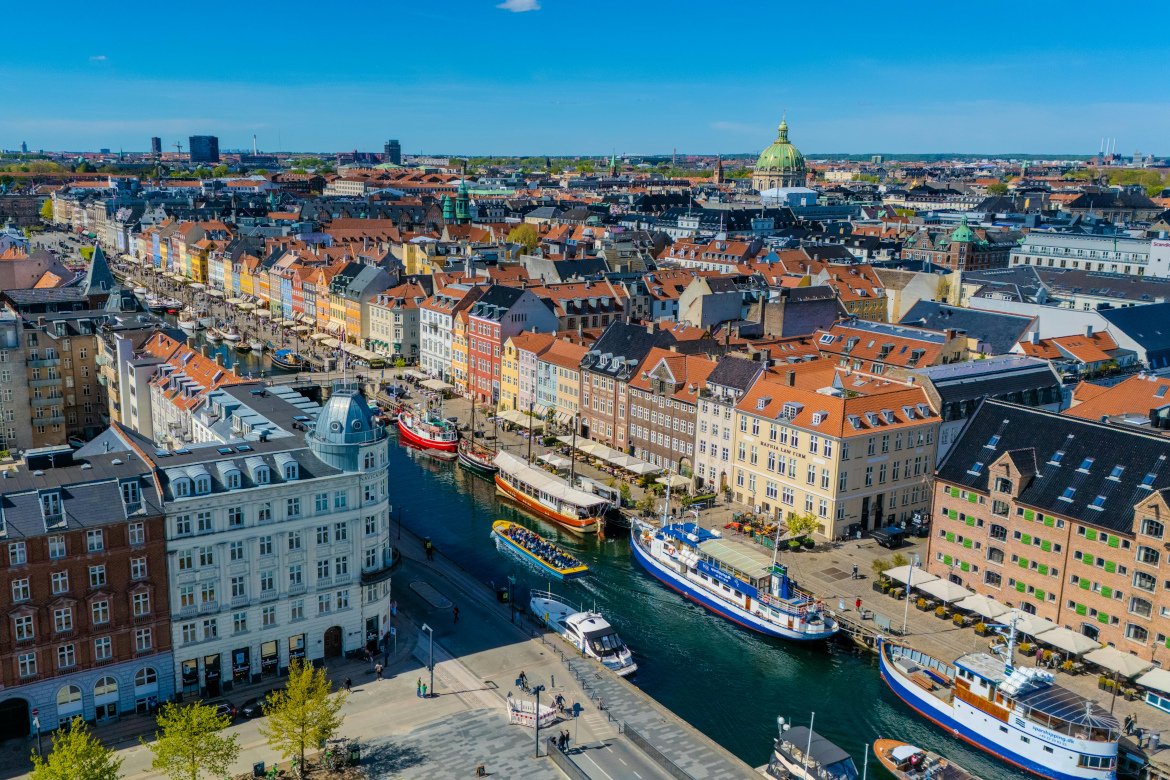
Copenhagen's historic Nyhavn district epitomises the city's blend of beauty, infrastructure, and quality of life. Photo: Mylo Kaye / Pexels
Every year, the Economist Intelligence Unit evaluates the quality of life in cities across the globe. In 2025, their Global Liveability Index ranked 173 cities using metrics like stability, healthcare, education, culture, and infrastructure. While many of the world’s most liveable cities remain familiar, this year brought a new name to the top of the list.
Here’s a look at the 10 most liveable cities in the world in 2025.
1. Copenhagen, Denmark
Overall Score: 98.0
For the first time, Denmark’s capital claims the number one spot. With perfect scores in stability, education, and infrastructure, Copenhagen blends Scandinavian elegance with real-world efficiency. Locals cycle to work along tree-lined canals, families enjoy free higher education, and everyone benefits from clean energy and low crime rates. It’s not just liveable — it’s exemplary.
2. Vienna, Austria (tie)
Overall Score: 97.8
Long the reigning champion, Vienna slips just slightly to second place. Still, the city remains a cultural jewel, with a thriving arts scene, imperial charm, and pristine public transport. Its high quality of life is rooted in history and bolstered by innovation.
2. Zurich, Switzerland (tie)
Overall Score: 97.8
Sharing the runner-up position, Zurich impresses with its lakeside tranquillity and Alpine precision. The Swiss financial hub excels in safety, education, and green spaces, consistently ranking as a high performer in liveability rankings.
4. Melbourne, Australia
Overall Score: 97.7
Melbourne’s coffee culture, creative energy, and strong healthcare system make it the most liveable city in the Southern Hemisphere. The city continues to climb back to the top after pandemic-era dips in ranking.
5. Geneva, Switzerland
Overall Score: 97.5
Nestled between lake and mountains, Geneva scores high for political stability, healthcare, and internationalism. As home to global organisations and luxury living, it offers a uniquely cosmopolitan lifestyle.
6. Sydney, Australia
Overall Score: 97.5
Australia’s harbour city maintains its spot in the top 10, thanks to world-class healthcare, beautiful beaches, and a multicultural population. Though housing costs remain high, the lifestyle remains enviable.
7. Osaka, Japan (tie)
Overall Score: 96.9
Osaka ranks as Asia’s most liveable city, combining safety, exceptional cuisine, and efficient public services. A vibrant contrast to Tokyo’s pace, Osaka is increasingly popular among expats.
7. Auckland, New Zealand (tie)
Overall Score: 96.9
Auckland’s comeback continues, boosted by clean air, outdoor access, and a laid-back urban vibe. Though small in scale, it punches above its weight in lifestyle satisfaction.
9. Adelaide, Australia
Overall Score: 96.8
Adelaide shines with affordability, festivals, and food. A quiet achiever on this list, it remains one of the best cities in Australia for balance between city life and nature.
10. Vancouver, Canada
Overall Score: 96.3
Rounding out the top 10, Vancouver offers urban vibrancy and mountain-backed serenity. It’s a magnet for outdoor lovers and tech talent alike — a true west coast gem.
Why These Cities Are More Than Just Liveable
This year’s rankings reinforce the idea that liveability isn’t just about size or fame — it’s about thoughtful urban planning, equitable access to services, and a sense of well-being. Whether it’s Copenhagen’s eco-conscious charm or Melbourne’s creative pulse, the world’s most liveable cities in 2025 each offer a compelling blueprint for a life well lived. As urban centres worldwide strive to adapt to a rapidly changing world, these top performers set the gold standard for the future of city living.
Hilton and Marriott have announced ambitious plans to expand across Africa, unveiling dozens of new properties as they position themselves to capitalise on the continent’s growing tourism and hospitality potential.
By Yuliya Karotkaya
Published:
Updated:
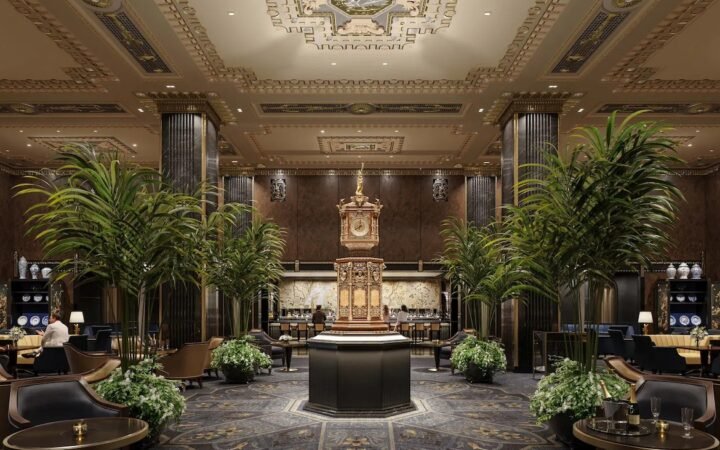
Hilton and Marriott plan to open over 100 new hotels across Africa, expanding into major hubs like Nairobi, Lagos, and Kigali to meet the continent’s growing travel demand. Photo: Harrison Macourt / Pexels
Two of the world’s leading hotel groups – Hilton and Marriott – are doubling down on Africa, announcing sweeping expansion strategies aimed at establishing the continent as a pivotal growth engine for global hospitality. The move reflects surging investment interest in Africa’s tourism and business travel sectors, buoyed by improving infrastructure, rising middle-class affluence, and increased international connectivity.
Marriott International plans to open more than 50 new hotels across the continent by 2030, with a focus on West and East Africa, including Nigeria, Kenya, and Ethiopia. Meanwhile, Hilton has revealed a pipeline of 76 properties currently under development in 28 African countries, representing more than 12,000 new rooms.
Both brands are positioning Africa not merely as an emerging market, but as a dynamic destination that is increasingly attracting both leisure travellers and corporate clients. Executives cited rapid urbanisation and economic diversification as key drivers of demand, particularly in secondary cities previously underserved by international hotel chains.
Strategic Shift Toward Localisation and Long-Term Growth
Hilton and Marriott are approaching expansion with an emphasis on localisation and long-term value creation. Rather than importing one-size-fits-all formats, the two giants are partnering with local developers and adapting to regional travel patterns and cultural preferences. This includes flexible design models, investment in workforce training, and a push toward sustainability initiatives.
Hilton’s Africa growth is anchored in both new builds and conversions of existing hotels under brands such as DoubleTree and Hilton Garden Inn. In contrast, Marriott is scaling its luxury and lifestyle presence with brands like Protea Hotels, Sheraton, and Le Méridien—many already familiar to African travellers.
Industry analysts view the expansion as a vote of confidence in Africa’s economic trajectory, especially as intra-African travel and domestic tourism continue to rise. At the same time, the investments reflect a broader strategic realignment: rather than focusing solely on saturated Western markets, global hospitality brands are chasing untapped opportunity in fast-growing regions.
Africa’s Next Chapter in Global Hospitality
The push into Africa comes at a time when international visitor arrivals are rebounding, and countries like Rwanda, Ghana, and Tanzania are aggressively marketing themselves as tourism and investment destinations. Business travel linked to resource industries, fintech, and regional conferences also fuels room demand.
Yet challenges remain. Political instability, inconsistent regulatory frameworks, and infrastructure gaps continue to pose risks. However, both Hilton and Marriott appear undeterred, signalling that Africa is integral to their global expansion strategies.
With growing airline connectivity, improved visa policies, and a youthful demographic poised to reshape travel norms, Africa may well represent the next frontier for global hospitality. For Hilton and Marriott, the continent is not just a growth market—it is becoming a centrepiece of their future portfolios.
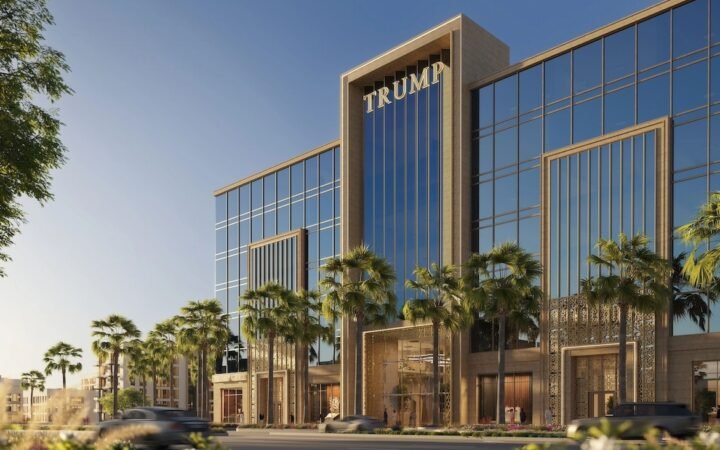
The Trump campaign is considering reinstating and expanding the U.S. travel ban to include 36 additional countries, citing security concerns and the need for tighter immigration controls.
By Yuliya Karotkaya
Published:
Updated:
Former U.S. President Donald Trump is weighing a sweeping expansion of the travel ban, potentially restricting entry from 36 more countries. Photo: The White House / Flickr
As the U.S. presidential election draws nearer, Donald Trump’s campaign is reportedly considering a dramatic expansion of the controversial U.S. travel ban. According to multiple reports citing internal memos and campaign sources, a second Trump administration could impose travel restrictions on as many as 36 additional countries, citing national security and immigration control as primary justifications.
Trump’s original travel ban during his presidency targeted several Muslim-majority nations, sparking widespread legal challenges and global condemnation. The proposed new list, however, casts a wider net — extending beyond the Middle East and including countries from Africa, Asia, Latin America, and even parts of Eastern Europe.
Wider Global Reach and Political Tensions
If enacted, the new ban would impact travellers and visa applicants from a diverse range of nations, many of which maintain significant diplomatic and economic ties with the United States.
Among the countries reportedly under consideration are: Algeria, Angola, Belarus, Bolivia, Cambodia, Cameroon, Central African Republic, Chad, Colombia, Congo, Cuba, Democratic Republic of Congo, El Salvador, Equatorial Guinea, Eritrea, Eswatini, Haiti, Honduras, Iran, Iraq, Laos, Lebanon, Libya, Mali, Nicaragua, North Korea, Pakistan, Philippines, Russia, Somalia, South Sudan, Sudan, Syria, Venezuela, Yemen, and Zimbabwe.
The proposal appears rooted in longstanding right-wing priorities: tightening border security, reducing immigration, and enhancing domestic surveillance. Sources familiar with the Trump campaign’s national security platform say the goal is to restrict entry from nations perceived to pose higher risks due to instability, weak intelligence cooperation, or anti-U.S. sentiment.
Impact on Travel, Diplomacy, and Civil Rights
The potential expansion is already drawing concern from human rights advocates, the travel industry, and legal experts. Critics argue that such a broad ban could undermine America’s standing as a global destination and spark retaliatory measures. Tourism boards, airlines, and international organisations are expected to monitor the policy’s development closely, should Trump win a second term.
The Biden administration had rolled back many of Trump’s earlier immigration policies, including dismantling parts of the original travel ban. A revived and expanded version would represent one of the starkest reversals in U.S. foreign and immigration policy in decades, potentially straining relations with dozens of nations and affecting millions of travellers.
Cordelia Cruises’ parent company, Waterways Leisure Tourism, has filed for an $84.5 million IPO to fund fleet expansion and debt repayment—marking a bold new chapter for India’s only ocean cruise operator.
By Yuliya Karotkaya
Published:
Updated:
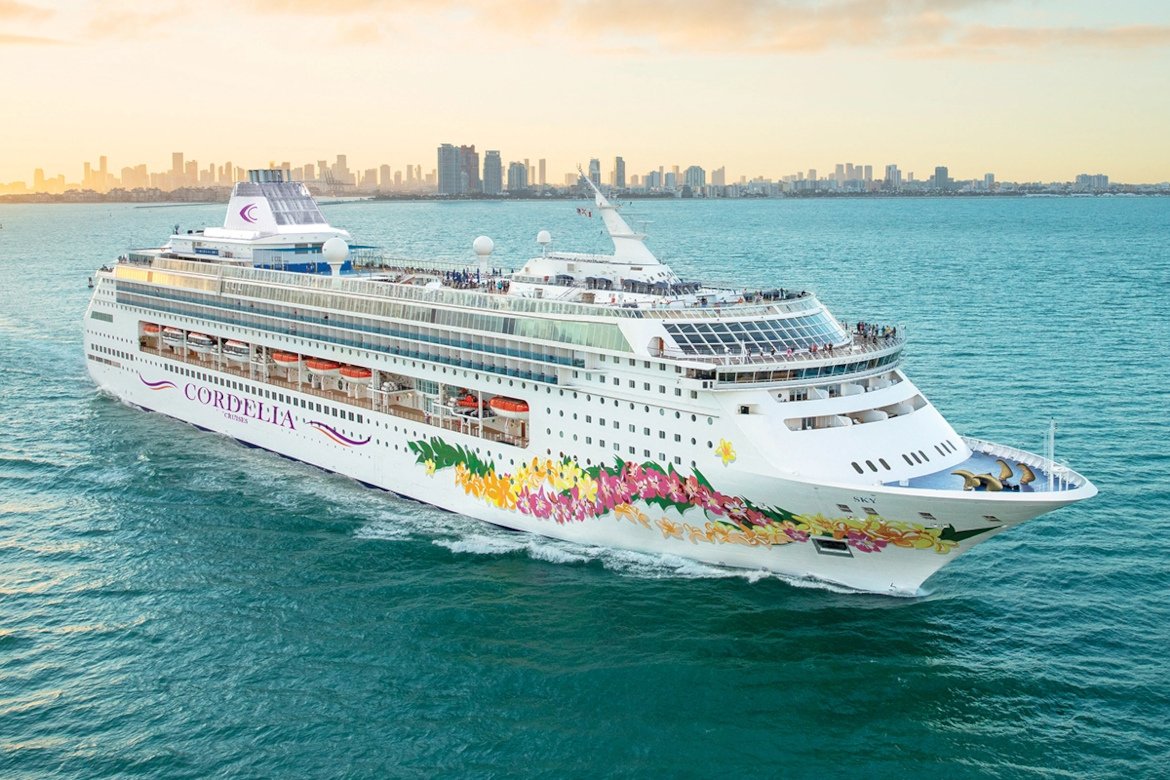
Cordelia Cruises, India’s only ocean cruise line, is preparing to scale its fleet with funds raised through a ₹727 crore IPO. Photo: Cordelia Cruises
India’s exclusive ocean cruise operator, Cordelia Cruises, is preparing to chart a new course with an initial public offering (IPO) worth ₹727 crore (approximately $84.5 million). Parent company Waterways Leisure Tourism Ltd has filed draft red herring papers with SEBI, signalling its ambition to scale operations in India’s burgeoning cruise market.
The proposed offering includes a fresh issue of equity shares amounting to ₹400 crore and an offer for sale of shares worth ₹327 crore. Proceeds will be used to enhance the Cordelia fleet, repay outstanding debts, and support general corporate purposes.
Scaling Up in India’s Nascent Cruise Market
Cordelia Cruises has emerged as a trailblazer in India’s underpenetrated cruise segment, offering ocean-based itineraries across Indian ports and select international destinations. The company aims to use the IPO proceeds to acquire or lease additional ships, enhance onboard experiences, and expand its customer base.
As India’s middle class grows and domestic travel demand surges, Cordelia’s expansion aligns with evolving traveller preferences. The cruise operator is also banking on government support, with India’s Ministry of Ports and Shipping backing cruise tourism as a high-growth sector under the “Dekho Apna Desh” initiative.
The company’s current operations revolve around its flagship vessel, the Empress, acquired from Royal Caribbean, which serves routes connecting Mumbai, Goa, Kochi, Lakshadweep, and Sri Lanka.
Positioning for Long-Term Growth
Waterways Leisure’s IPO marks a significant milestone not just for the brand, but for India’s maritime tourism industry as a whole. With limited players in the sector, Cordelia Cruises seeks to solidify its first-mover advantage and establish India as a viable cruise tourism hub.
Market analysts note that the IPO could attract strong interest from retail and institutional investors keen to tap into a fast-growing niche. As the cruise line positions itself to capture rising demand, the IPO will help drive long-term infrastructure development and brand equity.
If successful, Cordelia Cruises will become a prominent public symbol of India’s cruise potential—anchoring itself in a market poised for transformation.
Accor has launched a fresh loyalty campaign starring football superstar Kylian Mbappé, aiming to encourage direct bookings by cutting out middlemen and enhancing customer rewards.
Accor is making a striking move in hospitality marketing by partnering with global football icon Kylian Mbappé as the face of its latest loyalty campaign. The initiative seeks to empower travellers to book directly with Accor’s properties, bypassing third-party platforms and unlocking exclusive benefits.
This campaign represents a strategic push to strengthen the Accor Live Limitless (ALL) loyalty programme, incentivising members with personalised rewards and a more seamless booking experience. Mbappé’s global appeal aligns with Accor’s goal of connecting emotionally with a diverse, younger audience.
Cutting Out Middlemen to Boost Loyalty
By featuring Mbappé, Accor aims to highlight the advantages of direct booking—such as better prices, more flexible cancellation policies, and richer reward opportunities. The campaign is designed to simplify the customer journey and increase loyalty engagement in an increasingly competitive market.
Mbappé’s role in the campaign goes beyond mere endorsement; he embodies Accor’s vision of energy, innovation, and connection with modern travellers. The collaboration spans digital, social media, and in-hotel experiences, creating a cohesive narrative that resonates worldwide.
A Forward-Looking Strategy for Guest Experience
Accor’s campaign also reflects a broader industry trend of hoteliers reclaiming control over customer relationships. By reducing reliance on online travel agencies and third-party intermediaries, Accor can offer more personalised service and tailor experiences based on customer preferences.
The partnership with Mbappé underscores Accor’s commitment to innovation and relevance in a dynamic travel landscape. As direct bookings increase, the hotel group expects to deepen customer loyalty, reduce distribution costs, and strengthen brand affinity globally.
With Kylian Mbappé as its charismatic ambassador, Accor is set to redefine how loyalty programmes engage travellers, making direct booking both rewarding and aspirational.
Frankfurt Airport will open Terminal 3 in 2026 with 64 new retail spaces featuring global brands like BOSS, Montblanc, and GateZero, redefining the travel shopping experience.
By Yuliya Karotkaya
Published:
Updated:
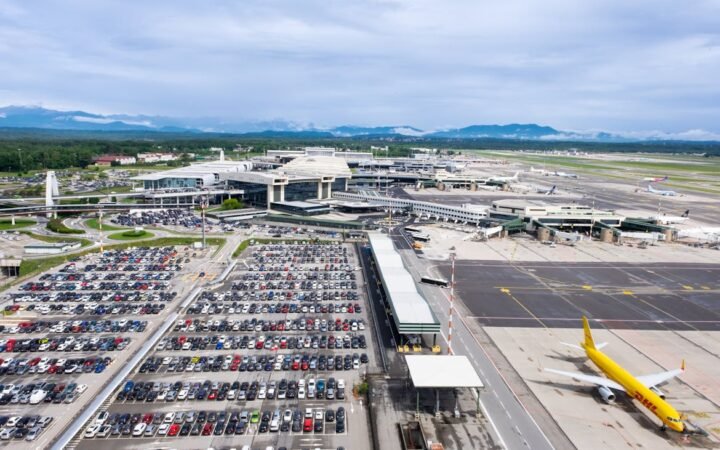
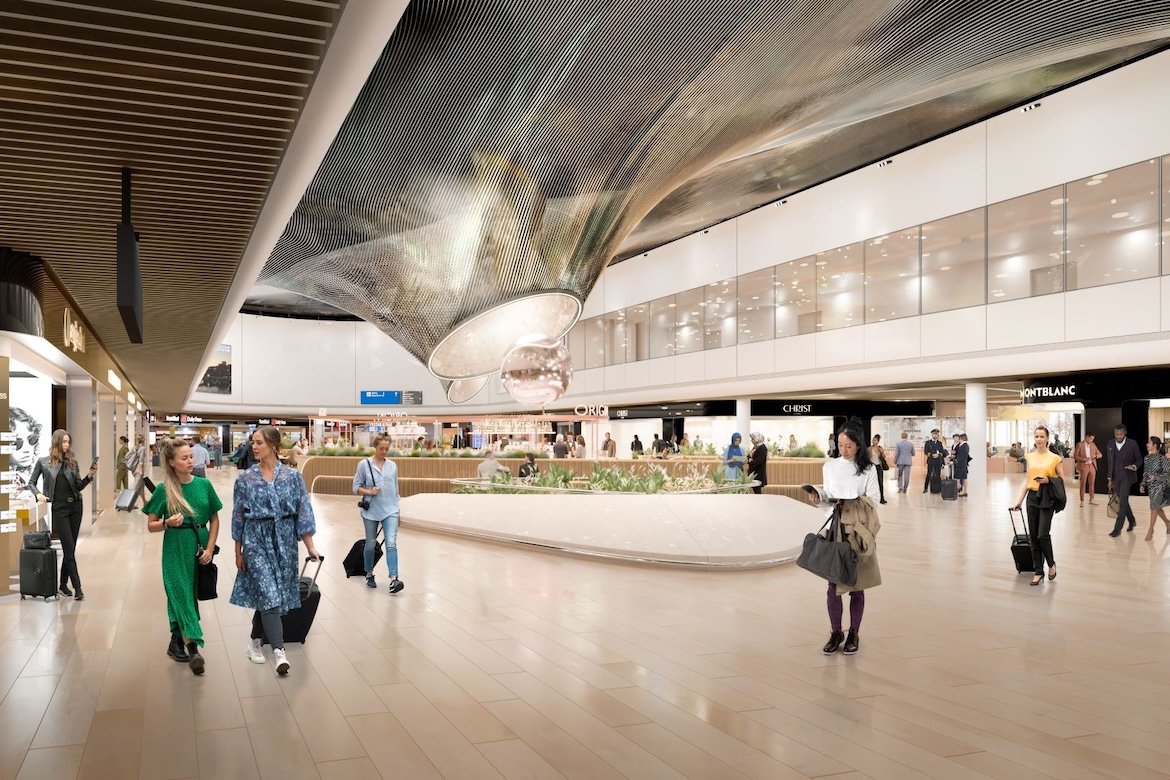
Frankfurt Airport’s Terminal 3 - set to open in 2026 - will feature 64 retail and dining spaces, blending global luxury with local flair in a contemporary marketplace design. Photo: Fraport AG
Frankfurt Airport is preparing to transform the passenger experience with the launch of its highly anticipated Terminal 3 in 2026, unveiling a new retail strategy designed to elevate the airport into a global shopping destination. Spanning 65,000 square metres of commercial space, the terminal will house 64 curated retail and dining units that blend international luxury with local flair.
Passengers can expect a mix of established global names and innovative travel retail concepts, including Montblanc, BOSS, and the e-commerce-inspired GateZero. The vision behind the development is to combine convenience, entertainment, and discovery in one seamless journey, providing a premium commercial environment that mirrors high-street sophistication.
A Curated Commercial Experience
Operated by Fraport, the retail plan was guided by the concept of “The Marketplace,” designed to encourage exploration and longer dwell times. Shoppers will move through a dynamic mix of luxury boutiques, lifestyle shops, local delicacies, and immersive experiential zones. GateZero—curated by Highsnobiety and operated by Gebr. Heinemann—will offer fashion, beauty, and streetwear for the next-gen traveller.
The design incorporates natural light, landscaped rest areas, and a modern architectural flow intended to reduce stress and elevate comfort. Fraport executives highlighted the importance of creating not just a terminal, but a destination in its own right—an approach increasingly adopted at global hub airports to capture growing non-aeronautical revenues.
Global Appeal, Local Soul
Terminal 3’s retail mix balances international prestige and regional character. In addition to global powerhouses like Rituals, WMF, and CAPI, passengers will discover German artisanship and flavours through brands such as Hausmann’s and OhJulia. The food & beverage strategy follows similar principles, blending German gastronomy with international culinary concepts to cater to a diverse audience.
Fraport expects the terminal to handle up to 19 million passengers annually once all phases are complete. The retail unveiling signals confidence in the resurgence of air travel and travellers’ appetite for luxury and lifestyle experiences. As one of Europe’s busiest airports, Frankfurt is positioning Terminal 3 not only as an infrastructural asset but also as a cultural and commercial landmark.
Lucknam Park Hotel & Spa will lead Accor’s luxury Emblems Collection when it joins as the flagship in Q4 2025, showcasing intimate elegance in England’s Wiltshire countryside.
By Yuliya Karotkaya
Published:
Updated:
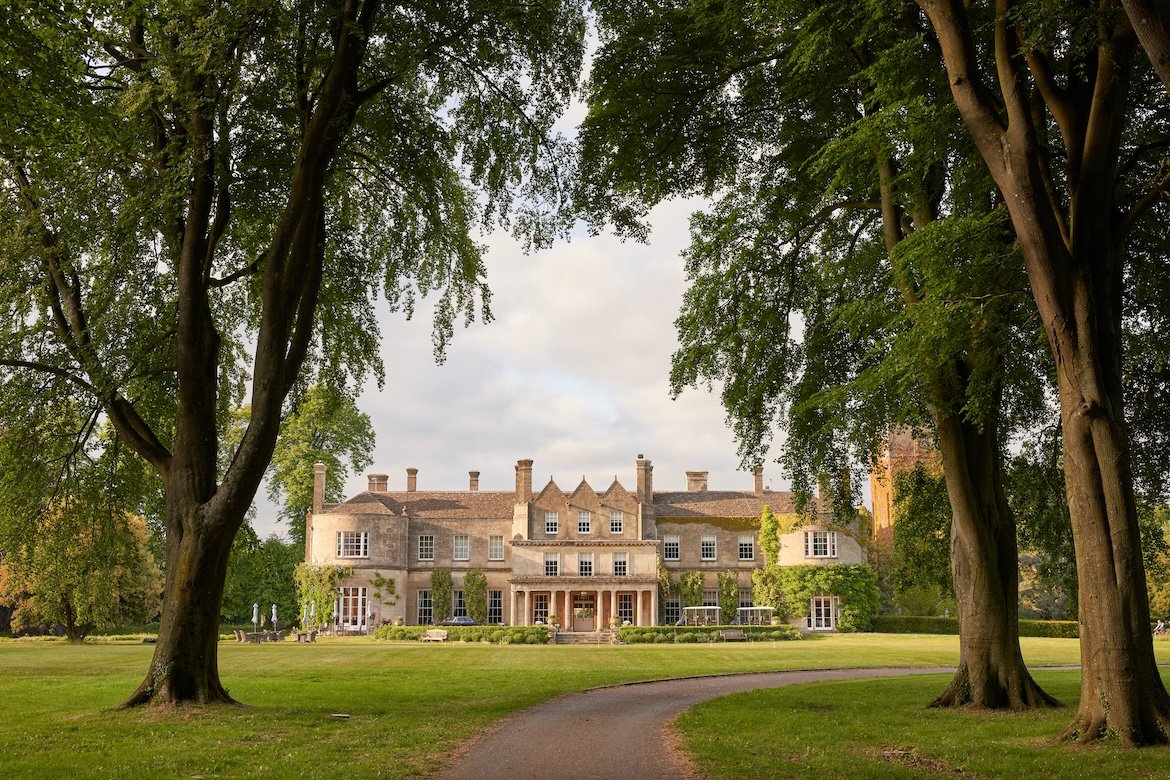
Lucknam Park Hotel & Spa – set to debut as the flagship of Accor’s Emblems Collection in late 2025, blending heritage elegance with luxury-country hospitality. Photo: Accor
Lucknam Park Hotel & Spa, a storied country estate near Bath, will officially join Accor’s new Emblems Collection in the fourth quarter of 2025, and will serve as its very first flagship property, according to the company’s press release.
Written into the “Heritage” pillar of the brand, Lucknam Park exemplifies Emblems’ vision of quiet luxury: intimate scale, meticulous design, and personalised service in a truly character-rich destination.
Located just six miles from the UNESCO-listed city of Bath and set within 500 acres of parkland, the hotel features 42 individually designed rooms, nine private cottages, a Michelin-starred restaurant, award-winning spa, and equestrian centre.
Chloe Laskaridis, a member of the owning family, emphasised the importance of preserving heritage while embracing global reach, stating the partnership will bring Lucknam Park “to a wider, global audience” without sacrificing its independence.
Heritage Meets Contemporary Elegance
Accor’s Emblems Collection, launched in 2021, targets boutique luxury properties with deep sense of place and residential charisma. Emblems CEO Maud Bailly describes the brand as “quiet luxury,” emphasising space, privacy, and sensory-rich environments catering to aesthetic travellers.
The brand requires properties to fit one of three pillars—heritage, design, or wellness—with strict criteria for storytelling, scale, and design. Lucknam Park fits squarely within the heritage pillar and will undergo thoughtful enhancements to meet Emblems’ standards while preserving its unique charm.
Xavier Grange, Emblems’ chief development officer, noted that with Lucknam Park’s inclusion, Emblems now has ten signed properties and aims to reach fifteen by the end of 2025. Upcoming openings include a mountain eco-retreat near Athens and a revamp of the Hotel Bellevue Cortina d’Ampezzo in Italy.
A Landmark in Luxury Hospitality
By becoming the first UK property under Emblems, Lucknam Park sets the tone for Accor’s global foray into luxury-plus hospitality. Guests can expect a sanctuary-like experience, combining Michelin-level dining, spacious suites and cottages, bespoke experiences like falconry and equestrian activities, and an immersive connection to the pastoral surroundings.
As a new model of elevated boutique hospitality, the Emblems debut exemplifies a shift toward curated intimacy and timeless design—an antidote to loud luxury. Lucknam Park will lead this journey, shaping what many hope will become a distinguished collection of character-led sanctuaries around the world.
The legendary Hôtel de Sers has reopened in the heart of Paris after an extensive renovation, blending Parisian heritage with contemporary elegance to appeal to modern luxury travellers.
By Yuliya Karotkaya
Published:
Updated:
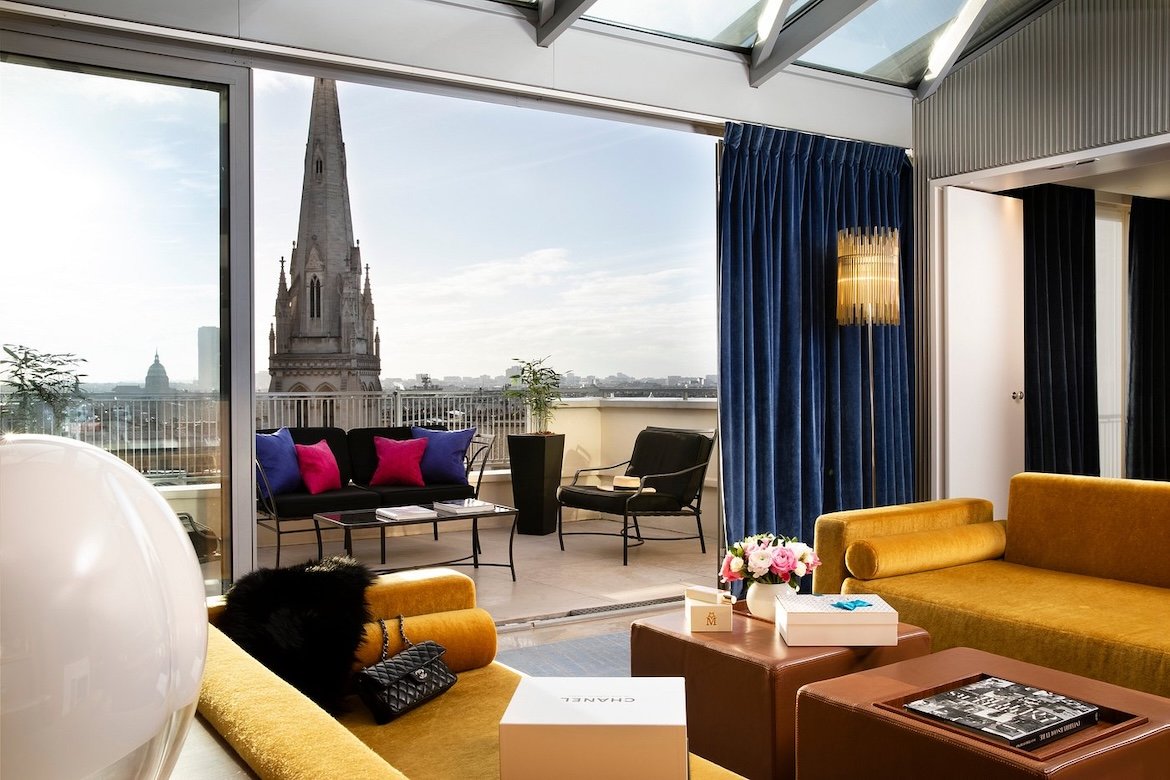
Hôtel de Sers in Paris reopens with refreshed interiors, offering modern luxury and Eiffel Tower views in a classic 19th-century mansion. Photo: Hôtel De Sers
A celebrated symbol of Parisian elegance, the Hôtel de Sers has officially reopened following an extensive renovation that blends its rich 19th-century legacy with modern luxury.
Just steps from the Champs-Élysées, the boutique five-star property reintroduces itself to travellers with a renewed vision, elevated design, and reimagined guest experience. Owned and operated by the B Signature Hotels & Resorts group, the hotel once again positions itself as a preferred destination for sophisticated global visitors.
With a location in one of Paris’s most desirable quarters, the Hôtel de Sers has long been admired for its intimate charm, historical architecture, and sweeping views of the Eiffel Tower. The latest renovation preserves this heritage while refining every detail to meet the standards of today’s luxury travel market.
A Design Revival Rooted in Heritage
The comprehensive redesign was overseen by architect Thomas Vidalenc, who originally transformed the hotel in 2004. The new interior pays homage to classic French aesthetics while introducing updated materials and modern comfort. Guests can expect rich oak panelling, velvet and brass accents, and marble finishes throughout the 45 rooms and 7 suites.
Each guestroom has been completely refurbished, with select suites offering views over the Eiffel Tower or iconic Parisian rooftops. The result is a blend of understated elegance and residential warmth. Design elements draw from Art Deco and contemporary French style, offering a modern interpretation of the building’s aristocratic roots as a 19th-century private mansion.
Beyond the guestrooms, communal spaces also received a complete update. The corridors are adorned with curated artworks, giving the hotel a gallery-like atmosphere. All enhancements were made with a focus on sustainability and long-term durability, aligning with current traveller expectations.
New Chapter for a Parisian Landmark
Beyond aesthetics, the renovation also enhances the guest experience. Rooms now feature upgraded technology and enhanced comfort, with careful attention to natural light, soft textures, and timeless finishes. The hotel’s signature restaurant and bar have also been reimagined as inviting social hubs for guests and locals alike.
Part of the family-owned B Signature portfolio — which includes Hôtel Montalembert and Hôtel Bel Ami — Hôtel de Sers is poised to once again be a landmark for discerning travellers seeking style, substance, and quintessential Parisian luxury. With its intimate scale, unbeatable location, and refreshed elegance, the hotel reaffirms its place as a quiet refuge in the heart of one of the world’s most vibrant cities.
Viking is expanding its ocean cruise portfolio with 14 new itineraries for 2026 and 2027, offering immersive experiences across Europe, Asia, Africa, the Americas, and beyond.
By Yuliya Karotkaya
Published:
Updated:
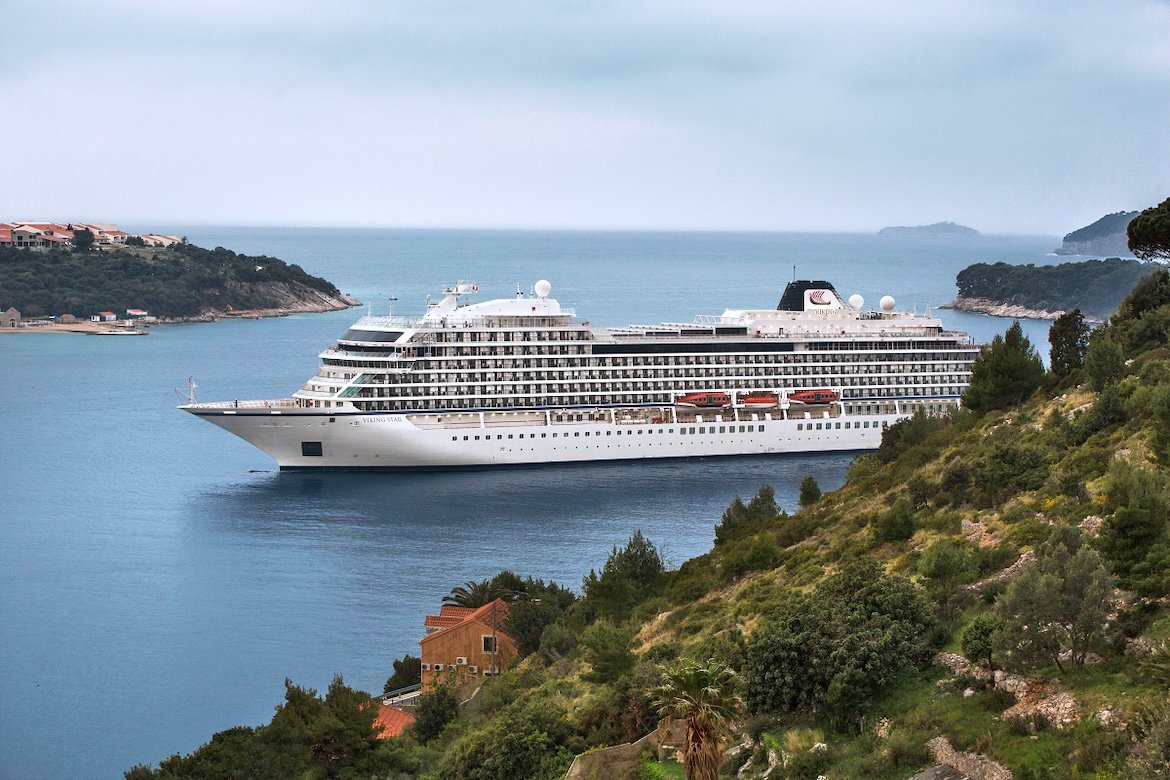
One of Viking’s award-winning ocean ships docked in Dubrovnik — part of the line’s expanded itineraries across five continents for 2026–2027. Photo: Viking
Viking, the award-winning cruise line, has announced an exciting expansion of its ocean offerings with 14 new itineraries set for 2026 and 2027. These thoughtfully curated voyages are designed to provide a more immersive experience by combining two or more of Viking’s most popular existing itineraries, allowing for extended exploration of diverse regions. Spanning from 15 to 36 days, these new journeys promise to enrich cultural and historical discoveries.
Exploring the New Voyages
The new itineraries will focus primarily on the vibrant Mediterranean, the historical United Kingdom and Ireland, and the picturesque landscapes of Scandinavia. Travelers will have the opportunity to delve deeper into these regions, experiencing a blend of iconic landmarks and hidden gems.
Highlights include:
Mediterranean Gems: Itineraries such as Jewels of the Mediterranean (15 days, Rome roundtrip) and Gems of the Mediterranean (15 days, Barcelona roundtrip) will explore destinations in Italy, Tunisia, Spain, and France. For more extensive journeys, Iberia, the Mediterranean & Aegean (29 days, Lisbon to Istanbul) and Grand Mediterranean Explorer (36 days, Lisbon to Istanbul) span the Iberian Peninsula, Adriatic coast, Italy, Greece, and the Côte d’Azur.
Northern European Adventures: British Isles & Viking Shores (22 days, London to Amsterdam) will take guests through Scotland, Ireland, Liverpool, and Norway. Iceland, Norway & British Isles (29 days, Reykjavik to London) traverses dramatic northern landscapes including Svalbard, Jan Mayen, and Iceland.
Transitional Voyages: Unique routes such as From Iberia to the Northern Lights (20 days, Barcelona to Tromsø) and Mediterranean & Atlantic Crossing (21 days, Rome to San Juan) offer guests the chance to experience multiple regions and climates in a single extended sailing.
In-Depth European Discoveries: Iconic Western Europe (19 days, London to Barcelona) includes stops in London, Paris, Bordeaux, and along the Iberian coast, while Viking Homelands, Shores & Fjords (22 days, Stockholm to Amsterdam) covers Scandinavia’s major cities and fjords, including Copenhagen, Oslo, Bergen, and southern Norway.
These extended voyages are tailored to discerning travellers seeking a comprehensive and relaxed pace, allowing more time to explore, learn, and unwind without the rush typical of shorter itineraries.
Responding to Demand for Longer Journeys
The announcement comes amid increasing demand for long-haul luxury cruising. Viking’s signature style – adult-only voyages, no casinos, and elegantly minimalist Scandinavian design – continues to resonate with travellers seeking depth and comfort.
The new itineraries will be operated by Viking’s fleet of identical ocean ships, each offering all-veranda staterooms, refined dining, and culturally immersive programming. Popular voyages like Iceland, the Faroes & Norway and South America & the Chilean Fjords will also remain part of the line’s extended journey offerings.
All itineraries are now open for booking, with strong early interest from returning Viking guests and new cruisers alike.
IHG’s upscale lifestyle brand Voco celebrates a milestone with the opening of its 100th hotel, reflecting rapid global expansion and growing demand for flexible, experience-driven hospitality.
By Yuliya Karotkaya
Published:
Updated:
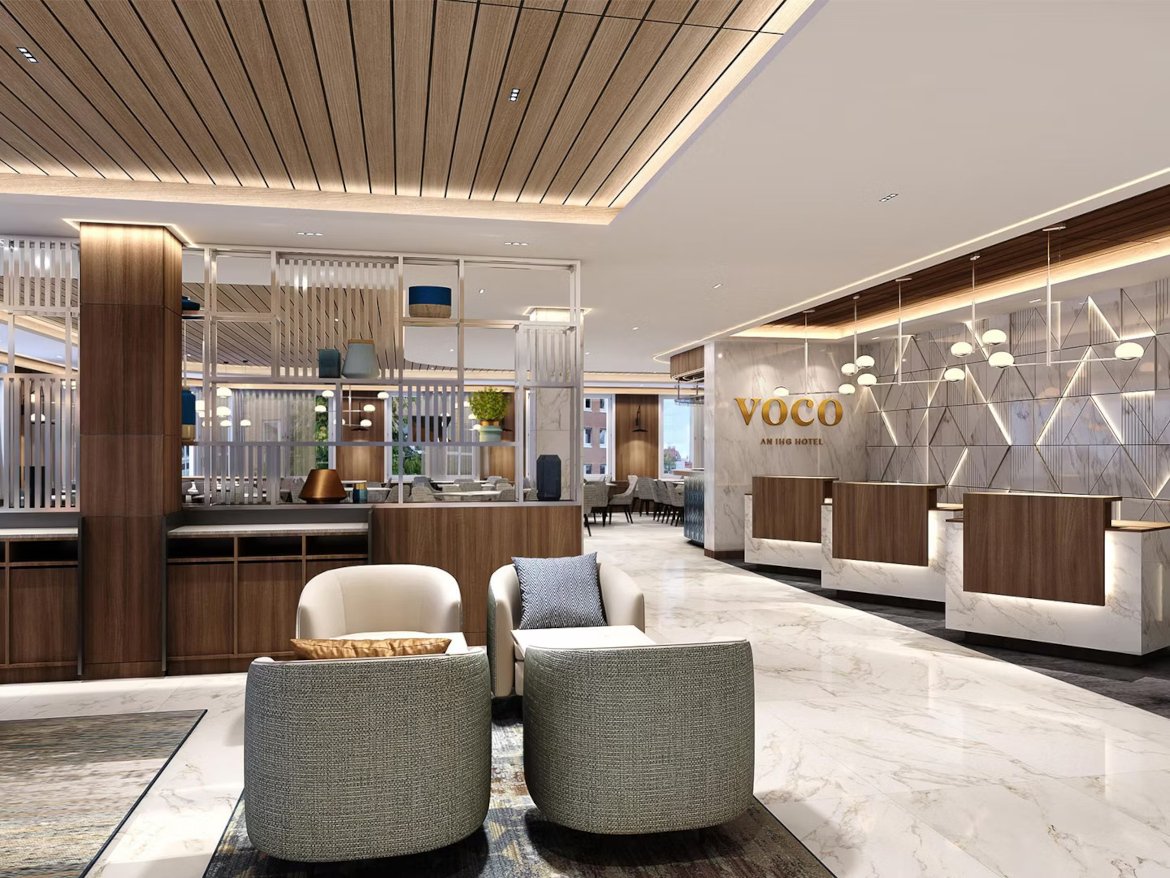
Voco by IHG celebrates the opening of its 100th hotel, marking rapid global growth since its 2018 launch and strong traveller demand for stylish, reliable stays. Photo: IHG Hotels & Resorts
InterContinental Hotels Group (IHG) has announced a major milestone for its upscale lifestyle brand Voco, which has now reached 100 open hotels across more than 20 countries—just seven years after its launch in 2018. This rapid expansion underlines the brand’s strong appeal to both guests and hotel owners looking for a blend of personality, comfort, and dependable service.
Voco’s 100th property, located in Osaka, Japan, is a striking example of how the brand is meeting demand in high-growth travel markets with distinctive, locally inspired hospitality.
A Lifestyle Brand with Global Momentum
Launched as part of IHG’s strategy to tap into the upscale lifestyle segment, Voco hotels combine the informality of an independent stay with the reliability of a major brand. Known for playful yet refined interiors, signature bedding, and thoughtful touches like sustainable amenities, Voco properties cater to leisure and business travellers alike.
From urban centres like Paris and New York to beach destinations in Australia and the Middle East, Voco’s flexible conversion model has been key to its expansion. Roughly half of its properties are the result of conversions from existing hotels, helping owners quickly join a global system without complete overhauls.
Looking Ahead: A Focus on Expansion and Sustainability
IHG reports that over 100 more Voco hotels are in the development pipeline, with strong growth projected in Europe, Asia, the Middle East, and the Americas. The brand’s growing popularity is aligned with shifting traveller preferences for boutique-style stays that don’t compromise on service or sustainability.
Sustainability continues to be a core value for Voco, with initiatives including energy-efficient operations, eco-friendly materials, and partnerships aimed at reducing environmental impact. As the brand continues its global rollout, these practices will be central to maintaining its identity and appeal.
IHG’s Chief Marketing Officer noted that the Voco brand is resonating with modern travellers “who value both personality and practicality.” With its 100th hotel now open, Voco is well-positioned to remain a key player in the global upscale market.
Join our list to receive latest Blockchain, Crypto & Fintech news:
WordPress database error: [Table 'u752143311_aXVuj.wp_coingecko_coins' doesn't exist]
SELECT coins.*, meta.post_id as post_id
FROM `wp_coingecko_coins` coins
INNER JOIN wp_postmeta meta ON (meta.meta_key = 'wpcf-coin-main-tag' AND meta.meta_value = coins.slug )
ORDER BY market_cap_usd
DESC LIMIT 9