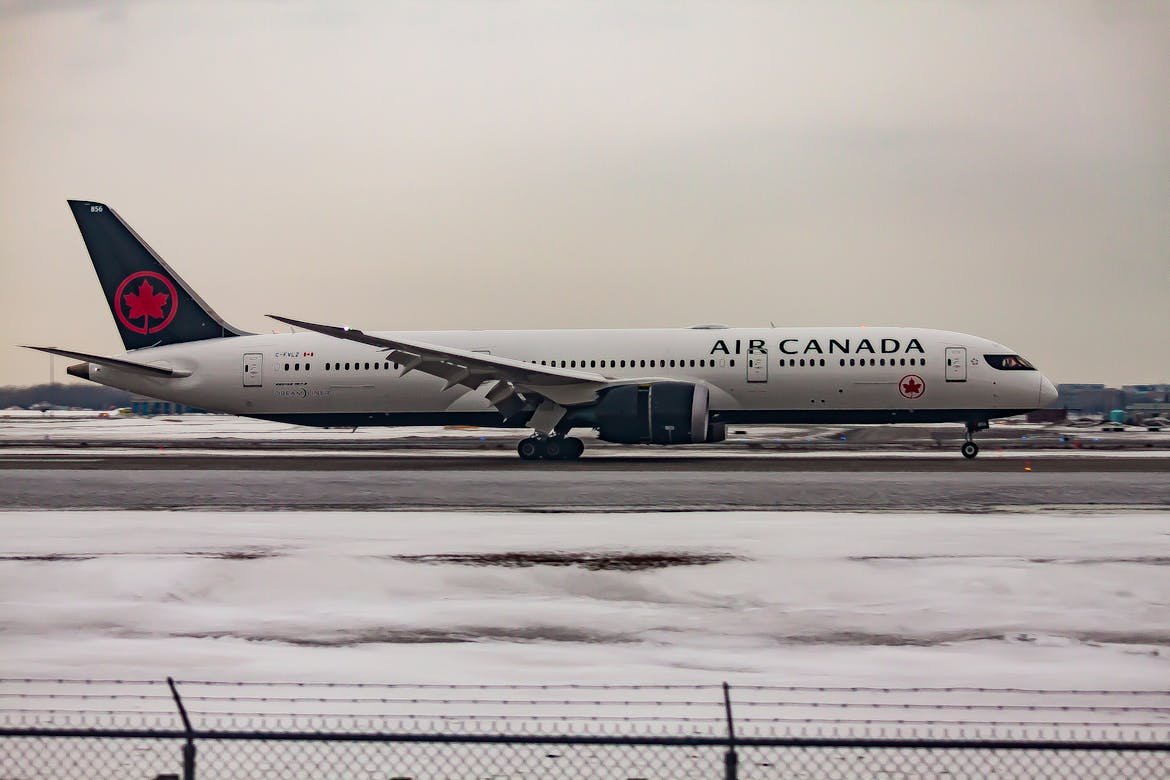

A powerful winter system sweeping across Canada has caused widespread disruption to air travel, grounding thousands of passengers and forcing airlines to cancel or delay hundreds of flights. Winter Storm Iona has impacted major aviation hubs including Toronto, Vancouver and Montreal, highlighting once again how extreme weather can quickly ripple through national and international travel networks.
Airlines across the country, including regional and mainline carriers, have been forced to adjust schedules as heavy snowfall, strong winds and reduced visibility created unsafe operating conditions. The scale of disruption has been significant, with more than a hundred flights cancelled and several hundred others delayed within a short period, according to industry reports.
The impact has been particularly severe at major airports such as Toronto Pearson, Vancouver International and Montréal-Trudeau, where high passenger volumes and tight flight schedules leave little room for disruption. Ground operations, including de-icing procedures and runway maintenance, have slowed significantly as crews work to keep aircraft moving safely under challenging conditions.
Passengers have been advised not to travel to airports unless their flights are confirmed, as conditions continue to change rapidly. Airlines have also issued travel advisories, encouraging customers to monitor updates and consider rebooking options where necessary.
Airlines and Airports Struggle to Maintain Operations
The storm has tested the resilience of Canada’s aviation system, with airlines working to balance safety requirements and operational efficiency. Winter weather events are not uncommon in Canada, but the intensity and timing of Storm Iona have created widespread scheduling challenges across multiple regions simultaneously.
Airlines have had to reposition aircraft, adjust crew schedules and manage passenger rebookings while dealing with limited airport capacity. De-icing operations, which are essential in freezing conditions, have added to turnaround times, further contributing to delays.
Regional carriers have also been affected, with smaller aircraft and tighter schedules making them particularly vulnerable to weather disruptions. As a result, connecting passengers have faced cascading delays, with missed connections and extended travel times becoming common.
Airport authorities have activated winter operations protocols, deploying snow-clearing equipment and coordinating closely with airlines to manage traffic flow. Despite these efforts, congestion has built up in terminals as passengers wait for updates or alternative travel arrangements.
Broader Impact on Travel and Passenger Confidence
The disruption caused by Winter Storm Iona extends beyond immediate flight cancellations. Travel plans across Canada and for international passengers have been affected, particularly for those connecting through major hubs. Delays in one region have had knock-on effects across airline networks, illustrating the interconnected nature of modern aviation.
For airlines, such events also carry financial implications, including increased operational costs and potential compensation obligations for affected passengers. At the same time, repeated disruptions can influence traveler confidence, especially during peak travel periods when reliability is critical.
Industry experts note that extreme weather events are becoming an increasingly important factor in airline planning. Carriers are investing in more flexible scheduling, improved forecasting tools and stronger contingency planning to mitigate the impact of such disruptions.
For passengers, the storm serves as a reminder of the importance of flexibility when traveling during winter months. Monitoring flight status, allowing extra time for connections and being prepared for changes have become essential strategies when navigating seasonal travel risks.
As conditions gradually improve, airlines are working to restore normal operations. However, it may take several days for schedules to fully recover as aircraft and crews are repositioned and backlogs are cleared.